
KPMG Economics
A source for unbiased economic intelligence to help improve strategic decision-making.
What’s impacting labor market participation? Why are some sectors faring better than others? How do you separate the signal from the noise? KPMG Economics answers these questions and more, providing timely insight and analysis into the economic indicators. We monitor trends and identify potential opportunities that could impact your strategic objectives. Our perspectives look at both the short-term and long-term economic factors that are critical to guiding strategic decisions.
Our latest thinking






Subscribe to insights from KPMG Economics
KPMG Economics distributes a wide selection of insight and analysis to help businesses make informed decisions.
Economic Coordinates
Explore analysis of key data indicators, such as job creation and the labor market, consumer spending, inflation, investment, housing and monetary policy. These combined data points are indicators of the overall health of the economy.
No results found.

Retail sales better than appear at first blush
Lower gas prices provide cushion.

Rear view of inflation shows cooling
Consumers will see the cooling effects.

Consumers cut the card
Consumer credit experiences first decline in nearly 18 months.

Consumers spend through higher prices at the pump
Consumer electronics prices are rising.
No results found.
June payrolls slow; unemployment falls for wrong reason
Slowdown not enough to calm inflation concerns at the Fed.

Hiring in a holding pattern
Health care, the labor market's steadiest job engine, is softening.

Living in a labor market purgatory
Fewer job changers.

Jobs report sends conflicting signals
Fed grows concerned about inflation.

No results found.
Warsh returns to his hawkish roots
Fed funds rate unchanged.
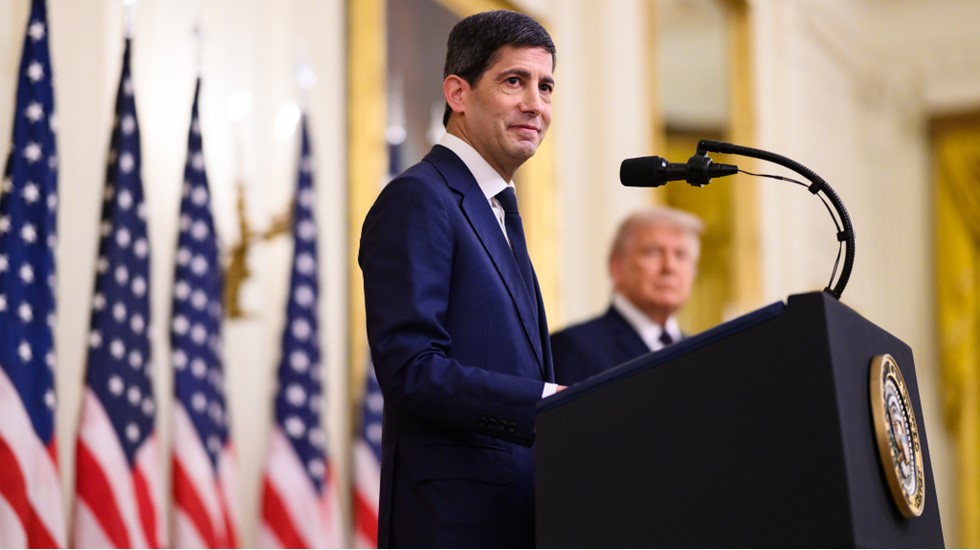
Financial markets poised to test Warsh
Inflation: Five years and counting.

Fed firmly on hold for April
Prices are too high for too many.
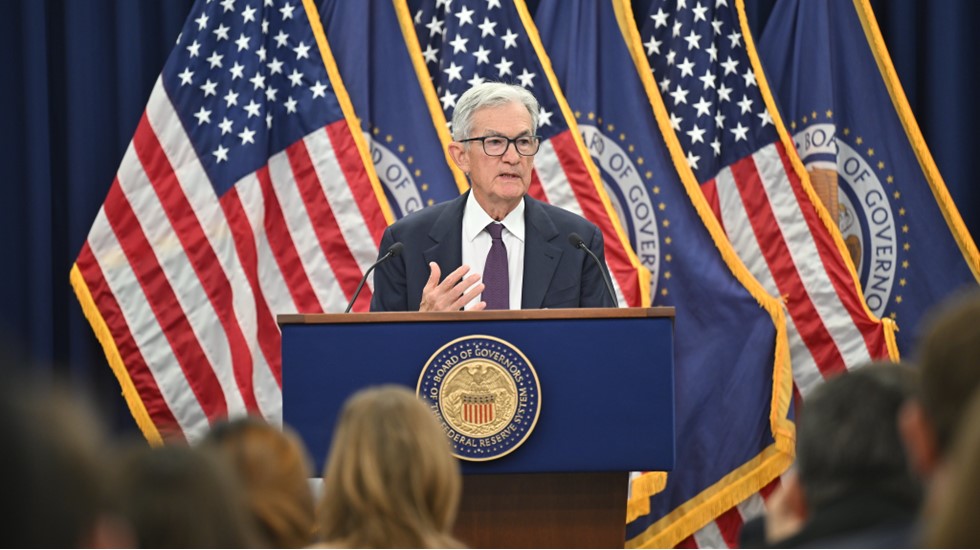
Dovish pause, hawkish undertones
Decisions remain on a “meeting by meeting basis”
No results found.
New home sales buckle as supply nears four-year high
Sales activity is clustered at the high end.

Housing remains in the doldrums
Industry recession continues.

New home sales disappoint
Fewer entry-level homes for sale.

Housing struggles to gain ground
Only the largest builders can afford to offer discounts.

No results found.
AI infrastructure boom fuels import surge
Trade deficit worsens with expected future tariff increases.

Construction spending lags overall
Data centers remain the structural growth driver.
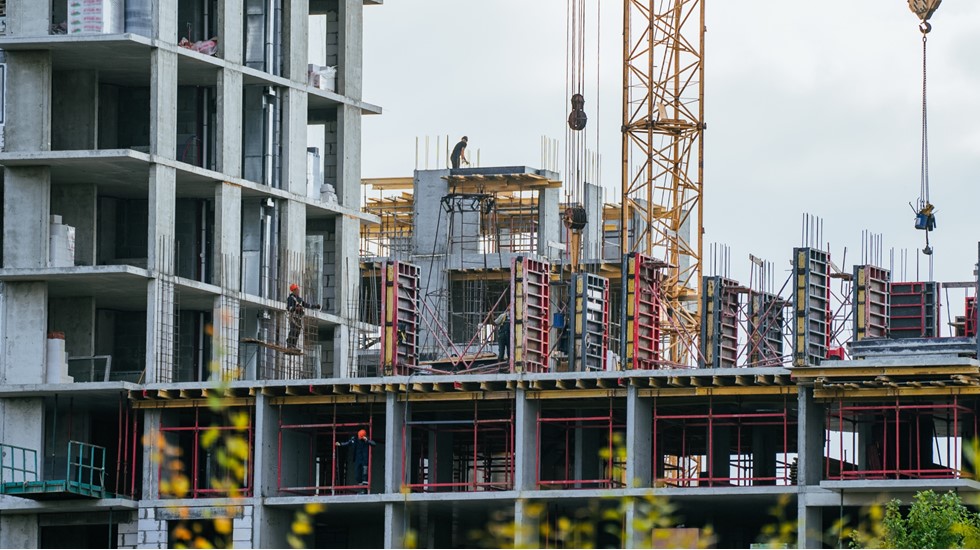
Durable goods stronger than headline suggests
Manufacturing is getting better at absorbing shocks.
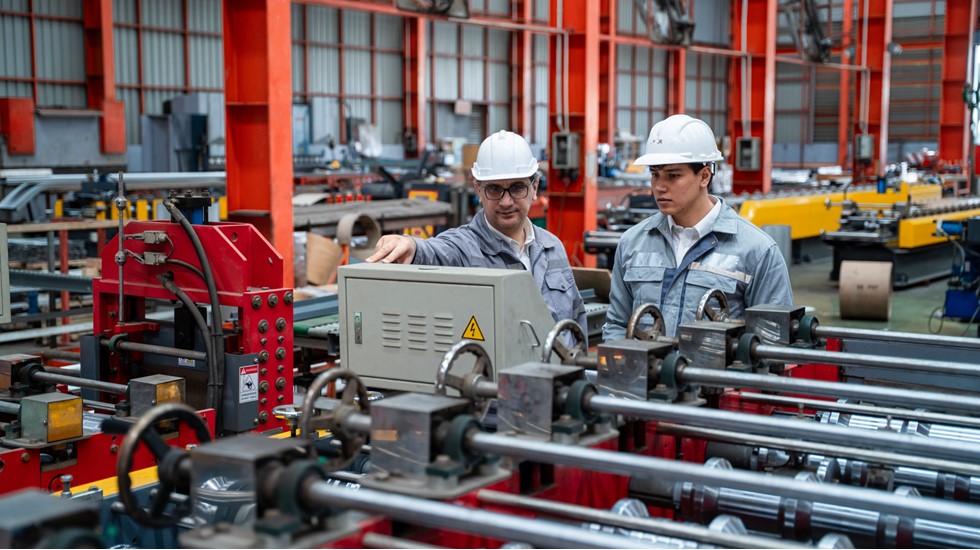
Industrial production edges higher
Nondurables gave up the most ground.

No results found.
Central banks buy time as Hormuz reopens
Repairs will take up to five years.

A fair wind lifts the forecast
Quarterly LATAM economic outlook.


Global Economic and Geopolitical Outlook webcast
Now available on demand: The recent quarterly KPMG Global Economic and Geopolitical Outlook webcast unpacked the economic consequences of the Iran conflict and the signals business leaders should be watching closely. View the replay for insights on market volatility, inflationary pressures and actions to strengthen resilience in an evolving geopolitical landscape.
KPMG Economics in the news:
- Manufacturing Growth Accelerates Despite Rising Job Cuts, S&P Says
U.S. manufacturing activity expanded in June at its fastest pace since 2021, driven by supply concerns that lifted new orders to a multi-year high, according to S&P Global. However, the report highlights a widening divide in the economy, with slower growth in the service sector amid cautious consumers and higher costs. Despite rising output, factory employment declined sharply, reflecting uncertainty around demand and input prices. KPMG Senior Economist Yelena Maleyev noted, “Geopolitical conflict remains the top downside concern,” underscoring broader risks to economic stability.
June 23, 2026 | CFO Drive
- AI Infrastructure Boom Expected to Drive Near-Term Inflation
Economists increasingly expect artificial intelligence investment to contribute to rising prices, driven by intense demand for materials, energy, and labor tied to data center construction. A National Association for Business Economics survey found more than 80% of forecasters anticipate inflationary effects in the coming year. KPMG economist Yelena Maleyev noted that competition for inputs like chips, copper, and skilled workers means “the other things kind of fall to the sidelines,” pushing costs higher across industries. Additional pressure stems from increased electricity demand and wealth effects tied to strong tech stock performance. While productivity gains from AI may eventually ease inflation, economists say those benefits have yet to materialize.
June 22, 2026 | NPR Marketplace
- A terse new Fed chief delivers no interest rate cuts or guidance on when they might come
Diane Swonk, who follows the Fed closely as chief economist at KPMG, said the increased transparency in recent years has helped. “There’s no easy answers about the economy right now, so to me, I think that it’s helpful to understand where the debate is shifting and how it shifts,’’ she said. Swonk tells the AP, “The use of the task forces indicates Warsh is not looking to impose changes on the rest of the Fed, but instead is seeking consensus. “He wants buy in,” she said. "He’s not trying to change it by command.”
June 18, 2026 | The Associated Press
- 'Buckle up': Inflation pain could linger even after the Iran war ends, economists say
In an ideal scenario, the Iran war is over, the Strait of Hormuz is completely reopened, energy prices and inflation fall sharply and American wages rise. Diane Swonk, chief economist and managing director at KPMG, told ABC News that inflation stemming from the Iran war comes on top of the inflation with which many Americans have been struggling for the past five years. Everything from the Russian invasion of Ukraine and the uneven reopening of the economy after the pandemic have also contributed to the current inflation crunch, she said. "Much like stock returns compound over time to give people mountains of wealth, the level of prices has compounded over the last five years to leave prices out of reach for too many," Swonk said.
June 18, 2026 | ABC News
- Sticky Inflation Complicates Fed Outlook as CPI Hits 4.2%
Ken Kim, senior economist at KPMG and Yelena Shulyatyeva, senior economist at The Conference Board, break down the latest CPI report showing a 4.2% year-over-year increase, in line with expectations but pointing to persistent inflation pressures. They discuss what the data means for the U.S. economy, including potential Fed policy responses. The economists also examine how rising prices could impact consumer spending going forward.
June 10, 2026 | Schwab Network Podcast
- Economist breaks down driving factors of inflation jump
Diane Swonk, chief economist and managing director at KPMG, says inflation in the U.S. economy is becoming "sticky" and "taking on a life of its own."
June 10, 2026 | ABC News Now
Subscribe to insights from KPMG Economics
KPMG Economics distributes a wide selection of insight and analysis to help businesses make informed decisions.
About our team