Warsh returns to his hawkish roots
Fed funds rate unchanged.
June 17, 2026
The Federal Open Market Committee (FOMC) – the policy setting arm of the Federal Reserve – voted unanimously to hold rates unchanged at the June meeting. The statement that followed the decision was shorter and removed the bias to ease.
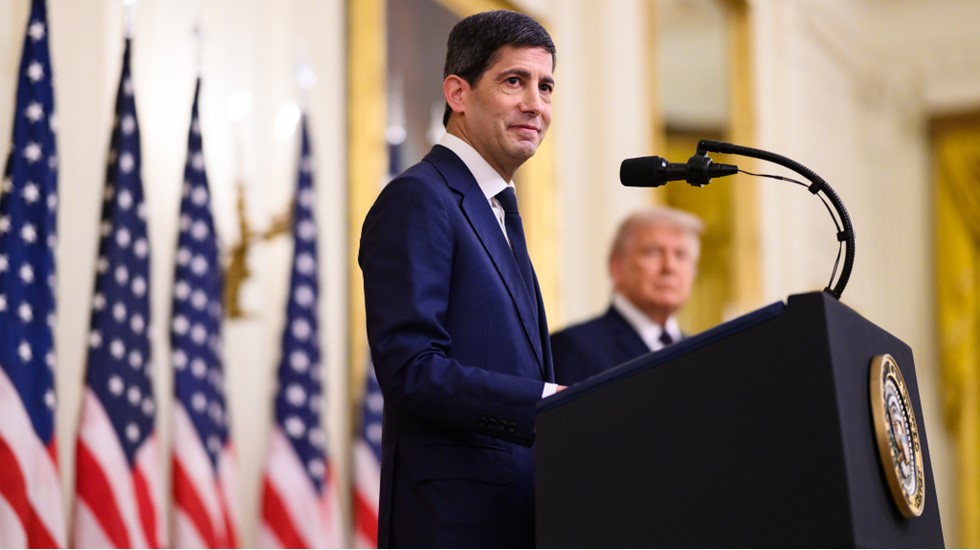
The new Fed Chairman Kevin Warsh took a victory lap with a shorter statement, which dropped all forward guidance. Those are two goals that Warsh campaigned on.
The statement ended with confirmation of the Fed’s commitment to price stability. That is critical given the persistent bout of inflation we have seen since emerging from the pandemic. Warsh emphasized that the vote was “unambiguous and unanimous to deliver price stability,”
The Summary of Economic Projections (SEC) revealed a decidedly hawkish shift. Inflation was revised up significantly, while unemployment was revised down. That opened the door wider to rate hikes along with a rebound in growth. This is where many on the Fed were already moving.
The “dot plot,” which is the trajectory for the fed funds rate, was revised up. Nearly half the participants at the meeting expected at least one rate hike during the balance of the year; there were three with one hike, five with two hikes, and one with three hikes; eight had no change in rates and one – most likely Governor Miki Bowman – had a cut in rates.
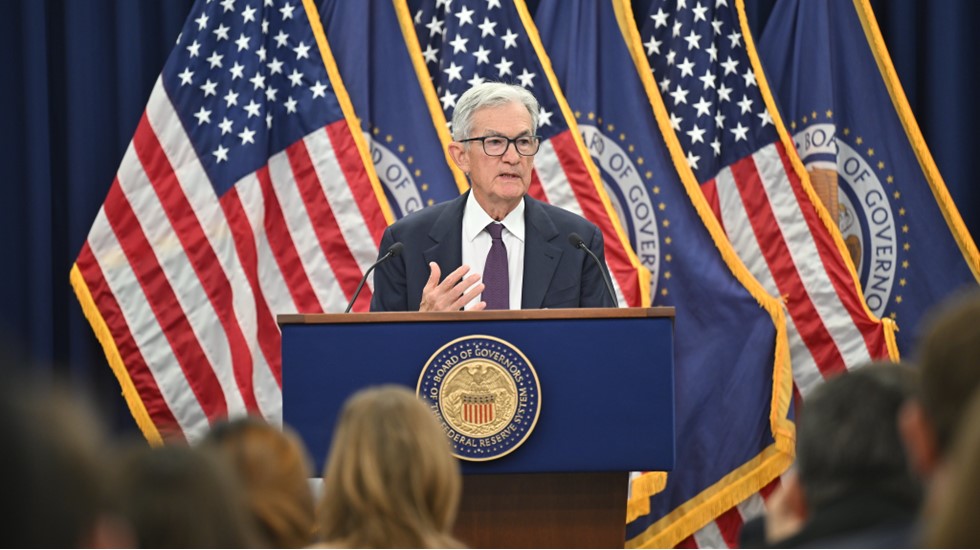
Warsh underscored that he abstained from submitting a dot or forecast. That was expected as he had criticized the “dot plot” in the past. He underscored that the dots are submitted with a pencil and an eraser. That reflects the uncertainty.
One participant held back on submitting a forecast for 2027 in addition to the Chairman. That likely reflects the view of former Fed Chairman Jay Powell, who may or may not stay on in his position through 2027. His tenure ends in January 2028.
Warsh announced five task forces to review how the Fed communicates and conducts monetary policy. The task forces will cover: 1) communications; 2) the size of the Fed’s balance sheet; 3) use and reliance on data sources; 4) productivity and jobs – AI and jobs, and; 5) the inflation mandate.
That enables Warsh to put his mark on the Fed but with the continuity of the institution in mind. He is looking for collaboration and buy-in among his colleagues. Warsh acknowledged that there was one person who wanted a cut but that the committee did not spend much time on that discussion.
Warsh was careful to say that monetary policy is restrictive when it comes to the housing market, a nod to the challenges in that part of the economy. He had a harder time saying the same about financial conditions, which most Fed measures show as relatively easy. He said that they discussed AI and the productivity growth it could generate. That is a part of one of the task forces.
He will need a combination of luck and skill to get back to price stability.
Diane Swonk
KPMG Chief Economist
Bottom Line
The Warsh tenure at the Fed has begun. Warsh has only just begun to make changes he hopes to make regarding how the Fed communicates and decides on policy. The real test will be time and how he wants to be judged as Chairman. The challenge is that the post-pandemic rise in inflation is still with us and the Fed is the one institution tasked with ensuring it ends. That has proven a heavy lift for the Fed thus far. He will need a combination of luck and skill to get back to price stability. His colleagues have signaled that rate hikes are in the offing as well. We still expect two rate hikes by year-end.
Explore more


Subscribe to insights from KPMG Economics
KPMG Economics distributes a wide selection of insight and analysis to help businesses make informed decisions.
Meet our team