Dovish pause, hawkish undertones
Decisions remain on a “meeting by meeting basis”
March 18, 2026
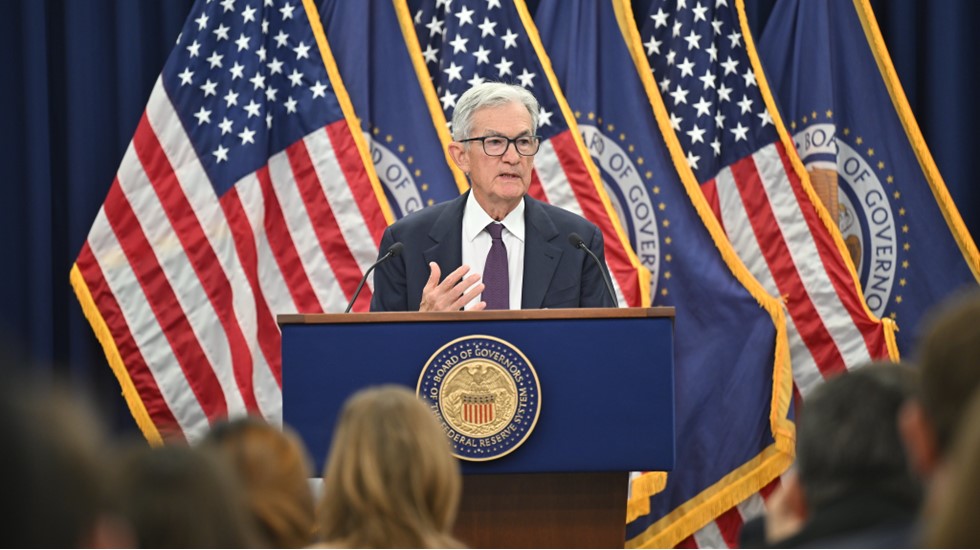
The Federal Open Market Committee (FOMC) – the policy setting arm of the Federal Reserve – decided to pause on rate cuts for its second consecutive meeting. The fed funds target held steady in the 3.5% to 3.75% range. The decision was accompanied by only one dissent. Governor Stephen Miran dissented for the fifth consecutive meeting in favor more cuts. The first three were in favor of a half percent cut in rates; the last two were for a quarter point cut.
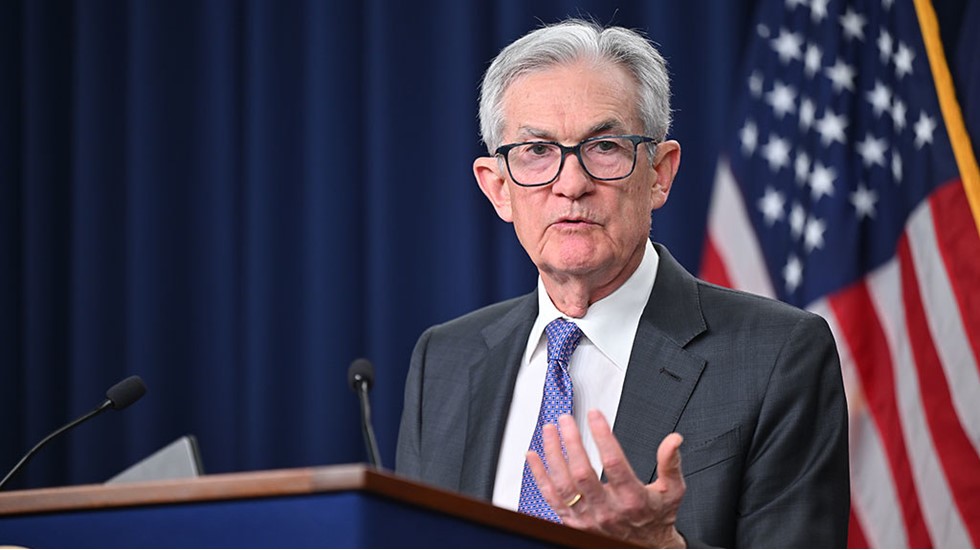
The Summary of Economic Projections (SEP) was released for the quarter at this meeting. The Fed upgraded its forecast for growth and inflation this year, while it held its estimate of unemployment steady. Federal Reserve Chairman Jay Powell said the upgrade to growth was due to higher productivity growth, which we have seen in recent years. He said that AI was not dispersed enough yet to explain the post-pandemic boost to productivity growth, but it could in the future.
The Fed raised its estimate of the neutral or noninflationary fed funds rates from 3.0% in December to 3.1% in March. That reflects higher productivity growth. The economy can grow more rapidly without fueling inflation when productivity growth is high, which is the reason for that increase. Indeed, the Fed raised rates in the late 1990s, even as inflation decelerated reflecting the faster pace of growth due to higher productivity,
That view conflicts with that of Kevin Warsh, the president’s nominee to replace Powell as chairman. He has argued that productivity growth due to AI will lower the neutral fed funds rate and use that as a rationale for the Fed to cut further. Today’s shift suggests that he will face pushback from the rest of the Fed on that view.
Chairman Powell underscored in his opening statement that it is “Too soon to know the scope and duration of the [war in the Middle East’s] potential effects on the economy.” Powell said that this is a good time to “take the forecasts with a grain of salt” due to the uncertainty over the war in the Middle East. He admitted that most people did not change their forecasts much due to that uncertainty.
When asked whether the Fed should “look though” the oil shock, Powell said that it is “too soon to tell.” He was careful to point out that the Fed had to watch inflation expectations, and whether they become unanchored. “We are strongly committed to keeping inflation expectations anchored at 2%,” he said.
We are five years into the post-pandemic inflation; the risk is high that inflation expectations become unanchored Powell pushed back against the use of the word “stagflation” due to the extremes in both inflation and unemployment we saw in the 1970s.
However, there was a shift in the risks to the SEP by participants at the meeting. Risks to growth were to the downside, while risks to inflation and unemployment were to the upside. That suggests a fear of stagflation.
There was some discussion that the Fed should consider signaling that there could be a rate hike instead of a rate cut this year. That occurred in January as well. Those pushing for that symmetry in the Fed’s decisions on rates have cited the persistence of service sector inflation.
Powell focused on the goods inflation due to tariffs and said that the Fed is expecting that inflation to abate. However, he did acknowledge that service sector inflation has been persistent.
I would say sticky, which is what the more hawkish members of the Fed have argued. This was the first time that Powell acknowledged the service sector inflation; it accelerated in the first two months of the year. Powell sees its mandate in tension, with the labor market weak and inflation elevated. “We are in a difficult situation,” he said.
At the heart of the debate within the Fed is whether rate cuts can cure what ails the labor market. The Fed cut rates a full percentage point in late 2024 with no meaningful boost to employment in 2025. The Fed cut again in late 2025 – that time by three quarters of a percentage point. That is not likely to spur the demand for workers either, given the ongoing uncertainty; measures of uncertainty spiked again in response to the war in the Middle East.
Powell was asked if he would stay on if Kevin Warsh was not confirmed prior to his term as chairman lapsing in May. He said he would. He went a step further at this meeting and said that he would stay until the investigation into him by the Department of Justice was “well and truly over with transparency and finality.”
He has not decided whether he will stay as a board member after that. His board seat lasts until January 2028. He would like to retire and spend more time with his family but would stay to ensure the independence of the Fed if necessary.
A potential rate hike was raised again by some participants at this meeting.
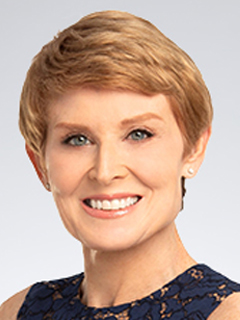
Diane Swonk
KPMG Chief Economist
Bottom Line
At first glance, the statement and the dissent suggested that this is a dovish pause. The devil is in the details. Fewer participants expect multiple rate cuts this year than in January. A potential rate hike was raised again by some participants at this meeting. The real message was that the Fed is uncertain; there is no preset course for rates up or down at this precarious moment.
Explore more


Subscribe to insights from KPMG Economics
KPMG Economics distributes a wide selection of insight and analysis to help businesses make informed decisions.
Meet our team