Fed not declaring victory over inflation prematurely
Inflation still a worry.
January 28, 2026
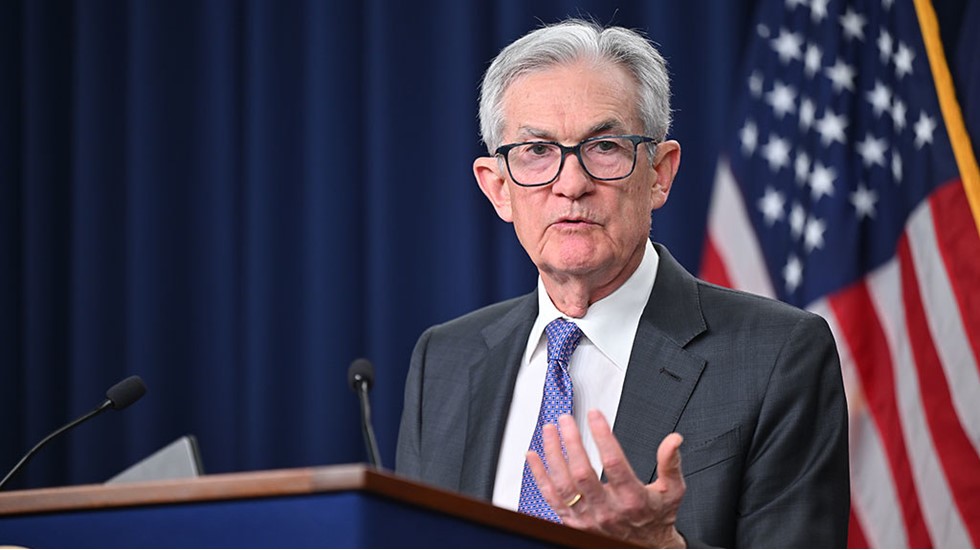
The Federal Open Market Committee (FOMC) decided to pause its rate cutting cycle, despite ongoing pressure from the administration. The decision was contentious, with two governors dissenting in favor of a rate cut.
Governor Stephan Miran dissented in favor of a quarter-point cut in his last vote before returning to his job at the helm of the Council of Economic Advisers for the White House. Governor Chris Waller, who is a dark horse candidate to replace Chairman Powell, joined Miran in his dissent. Waller has cited labor market weakness for his desire for lower rates.
Governor Miki Bowman likely agreed with Waller for another quarter point cut. However, Powell said that the consensus to pause was broad. He still expects the next move to be down on rates but would not rule out a hike in rates if inflation proved stickier.
The FOMC statement was tweaked to show risks to inflation and unemployment to be about the same. The Fed cited more concern about the risk to the labor market when it was cutting rates. There was no forward guidance on the next interest rate move.
The Fed could remain on the sidelines at least through June when Powell vacates his post as chairman. Powell hinted as much as he said it may take until midyear to see where inflation is going.
Financial markets were unchanged after the press conference. They are pricing in a little less than two interest rate cuts this year, with June still below 50% on a probability basis.
Four regional Fed presidents rotated into voting positions on the FOMC in January. They are the presidents of the Cleveland, Dallas, Minneapolis and Philadelphia Federal Reserve banks. All favored a pause in January. Three of the four likely opposed a rate cut in December; the remaining one, Anna Paulson of the Philadelphia Fed, signaled her desire for a prolonged pause when she spoke in early January.
The Fed is currently making decisions based on incoming data, which is difficult. Debate is warranted when the Fed’s dual mandate for full employment and price stability is in tension. Both unemployment and inflation rose in the back half of 2025 for the first time since the 1970s.
The reasons for the pause in cuts are ample. Data disruptions due to the government shutdown last year have left us with an unclear assessment of where inflation is, let alone where it is going. The government shutdown cost us the survey on inflation data for October, which resulted in many of the components of the index being zeroed out. Current inflation data are understating the pace of actual inflation.
Another government shutdown is highly probable, which could further cloud our view of the economy. It would not be as large as the shutdown as we saw last year because some funding has been approved.
The Fed upgraded its assessment of the economy in its statement, buoyed by a sharp drawdown in savings and the wealth effects associated with rich equity valuations. Aggregate income growth faltered in the back half of the year along with employment.
Fiscal stimulus is poised to provide extra support in the form of a surge in tax refunds and lower withholdings in early 2026. Refunds are treated by consumers as windfall gains and will be spent. That could add to the stickiness of inflation like we saw in the wake of the pandemic.
Much of the margin compression associated with tariffs showed up as a loss of jobs in the goods sector in 2025. Manufacturing was hard hit. Many firms held off passing along the full cost of tariffs to consumers in 2025, with the boost to inflation. The rise in the producer price index, accelerated at the end of the year, which suggests we could still see more inflation related to tariffs. Large retailers have begun to warn of pending price hikes.
Powell seemed to contradict himself on the pass-through effects of tariffs. Early in the press conference he argued that we had likely seen most of those effects. Later in the discussion, he said a lot of companies “are pretty strongly committed to passing the rest of it [tariffs] through, which is one of the reasons why we need to keep our eye on inflation and not declare victory prematurely."
The Supreme Court has yet to rule on the emergency powers the president used to levy tariffs. The administration has many levers it could pull to reinstate any tariffs that are ruled illegal. The challenge is that those statutes are harder to reverse. The other levers enable the administration to levy many tariffs at the president’s discretion. Tariffs may not be as far in the review mirror as many would like.
The Fed has talked about how curbs on immigration have lowered the breakeven in the payroll data to hold the unemployment rate stable. It has not discussed the threat that pockets of labor shortages pose to service sector inflation. The leisure and hospitality category was an outlier in 2025, with quit rates soaring at year-end; many immigrant workers left the labor force entirely, which is increasing costs for restaurants and hotels.
He was asked about attending the Supreme Court case against Governor Lisa Cook. He called it “the most important legal case in the Fed's 113-year history…it might be hard to explain why I didn’t attend.” The justices appeared resistant to the administration’s arguments on firing members of the Board of Governors.
He underscored that his decision to attend was “precedented.” Former Fed Chairman Paul Volcker attended a Supreme Court case in 1985.
Powell is loyal to the institution of the Fed and would stay on if he felt the independence of the Fed was at significant risk from political interference. He has cultivated support on both sides of the aisle in Congress, which appears to have stopped the confirmation of overtly political nominees. Powell was questioned directly about tensions with the White House. He flatly refused to engage.
Powell’s advise to an incoming Chair is “don’t get into elected politics.” He underscored that “if you want democratic legitimacy, you earn it by your interactions with our elected overseers,” which means Congress.
A new Fed Chair may want to hold off on rate cuts for at least one meeting to reassure financial markets.
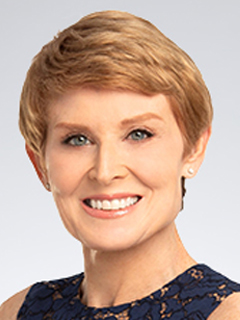
Diane Swonk
KPMG Chief Economist
Bottom Line
The Fed is poised to be on hold for additional rate cuts at least until mid-year. A June cut is less than a coin toss. A new Fed Chair may want to hold off on rate cuts for at least one meeting to reassure financial markets. The Supreme Court may have the final say; trust is gained in teaspoons and lost in buckets.
Explore more


Subscribe to insights from KPMG Economics
KPMG Economics distributes a wide selection of insight and analysis to help businesses make informed decisions.
Meet our team