Financial markets poised to test Warsh
Inflation: Five years and counting.
June 12, 2026
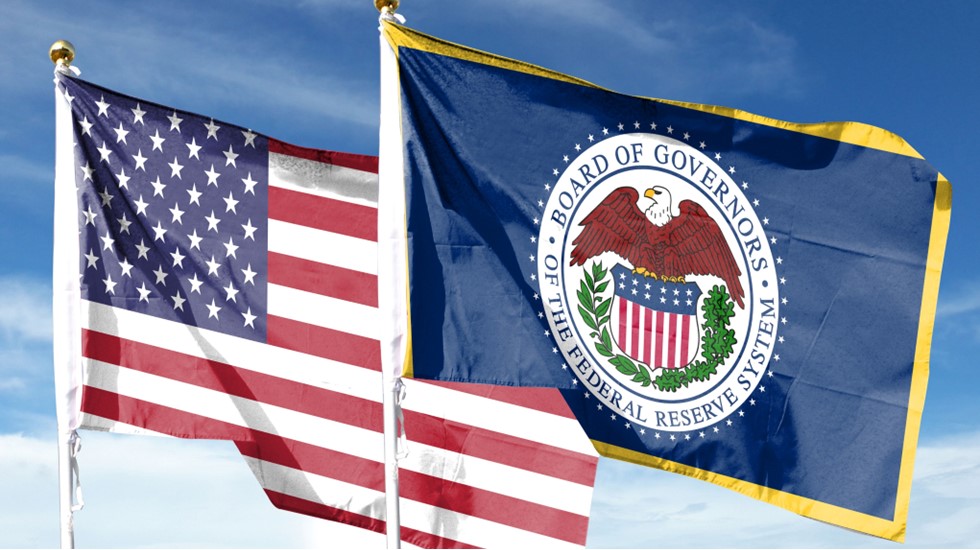
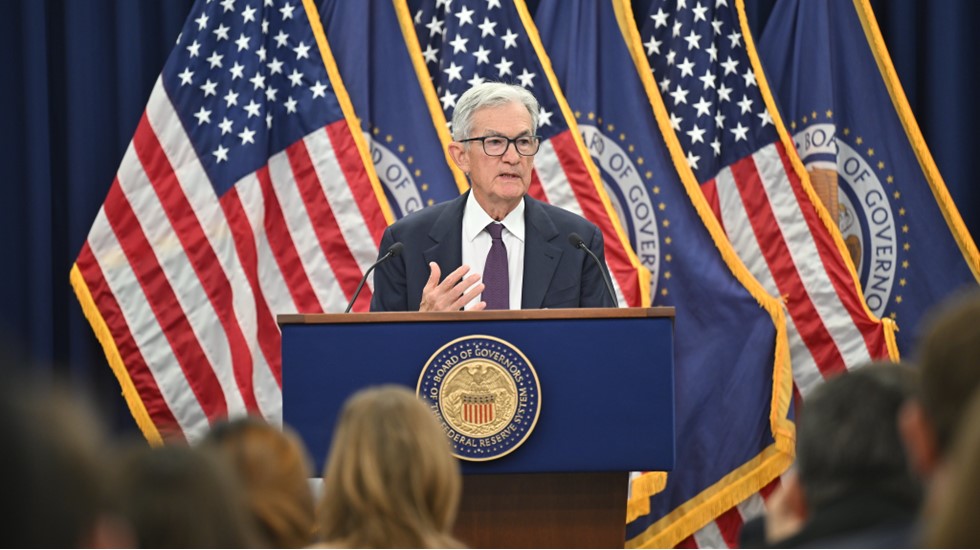
Federal Reserve Chairman Kevin Warsh will hold his first press conference following the Federal Open Markets Committee (FOMC) – the policy setting arm of the Fed – on June 17. We expect Warsh to push for a shorter official statement. The Fed will remove the bias to ease, which caused dissent at the March meeting.
Hawks are flocking in response to the persistence of inflation, which the inflation data reveals started ahead of the conflict in the Middle East. The acceleration in growth we are enduring is upping the risks that the current fed funds rate is too low, and rate hikes are needed to derail underlying inflation.
Hawks are likely to give Warsh a grace period and hold off on dissenting again in June, but the clock for rate hikes for a few is already ticking. Two voting members of the FOMC have already argued for rate hikes “soon.” That sentiment will come out in the minutes to the June meeting and show up in the Fed’s Summary of Economic Projections (SEP). It included the Fed’s “dot plot,” which provides a trajectory of where participants at the meeting see the fed funds rate going over the year.
Warsh is not a fan of SEP and would like to see it eliminated. He is not expected to include his own forecast in the SEP for June, which is due with the statement. The forecasts are expected to show inflation hotter and the unemployment rate lower by year-end, and be accompanied by several members who expect rates to remain unchanged or raised by year-end.
One of the largest near-term hurdles for the Fed is the persistence of service sector inflation. The preliminary data for May is not good. The components of the consumer price index and the producer price index that go into the PCE index, the Fed’s target, are hot.
The PCE is poised to rise 0.5% and rise 4.2% from a year ago in May. Some of that is energy inflation. The problem is core PCE, which looks like it advanced at least 0.3% during the month. That means it will push core PCE up to 3.5%, after it hit 3.3% in April. The super core services component of the index could be even hotter.
After more than five years, there are signs that inflation is becoming entrenched. The conflict in the Middle East is only one factor. The Fed may not have caused all of the inflation we are enduring; it is the only institution tasked with derailing it. We have held to our forecast for two rate hikes in the back of the year, despite intense political backlash to such moves.
We have held to our forecast for two rate hikes in the back half of the year.
Diane Swonk
KPMG Chief Economist
Explore more



Subscribe to insights from KPMG Economics
KPMG Economics distributes a wide selection of insight and analysis to help businesses make informed decisions.
Meet our team