Sticker shock
Airfares Jumped almost 28%.
June 10, 2026
The consumer price index (CPI) rose by 0.5% in May, after jumping 0.6% in April. The most recent move pushed the overall index up 4.2 from a year ago, its hottest pace since Spring 2023.
The three-month annualized rate, which better tracks momentum, has risen to 8.2% in May from 7.3% in April. That is the hottest three-month pace since September 2022 and is moving in the wrong direction for the Federal Reserve.
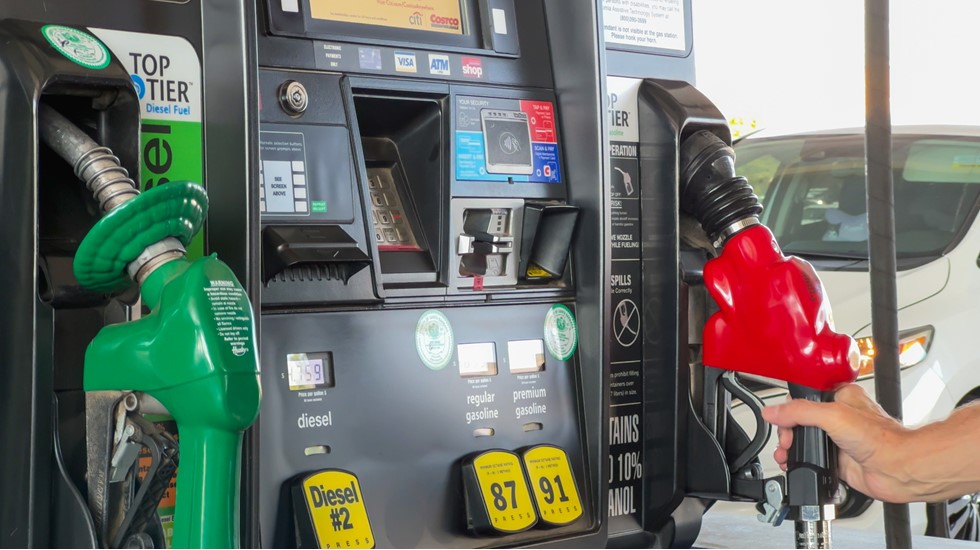
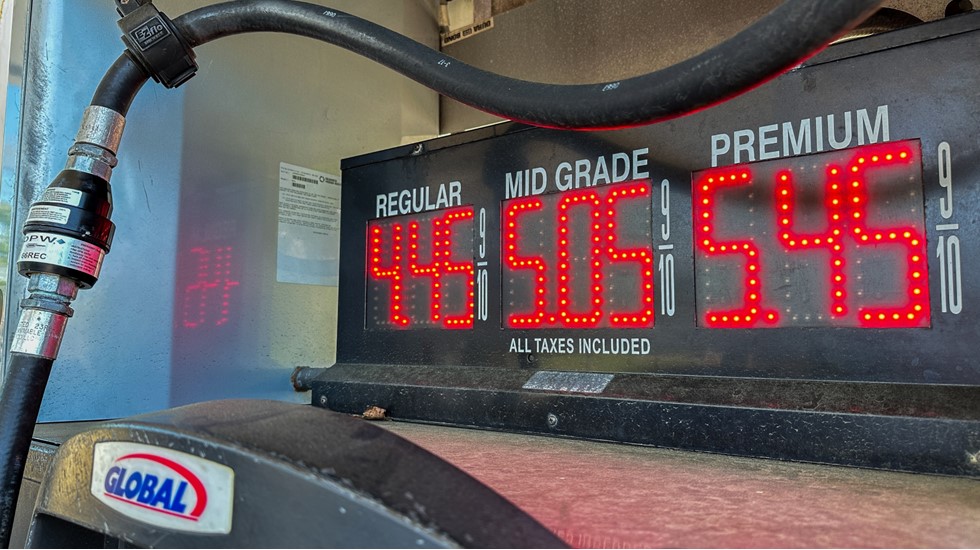
Prices at the gas pump rose 7.0% for May and soared more than 40% from a year ago. That is the fastest annual increase since July 2022, when the effects of Russia’s invasion of Ukraine were still buoying prices. The good news is that prices at the gas pump receded in recent weeks and should not contribute as much to inflation in June.
The problem is the drawdown in inventories since the onset of the latest Middle East crisis. That could cause a secondary bump in prices over the summer, as inventories drained are replenished. The futures markets are front-running the physical reality on the ground for energy prices.
Rationing across emerging markets, notably in Asia, continues. That has idled production and added to the humanitarian crisis. Cooking oil is in particularly short supply, even in countries that have tapped Russian oil sources. That has left some soaking rice in cold water to keep their families fed.
Food prices rose 0.2%, after surging 0.7% in April. Food prices are up 3.1% from a year ago, their hottest annual pace since Summer 2023, when supply chain problems emerging from the pandemic were still elevating prices.
Price hikes at the grocery store largely reflect problems that preceded the conflict in the Middle East. Egg prices jumped 4% during the month but are still down more than 35% from a year ago, when prices spiked in response to the bird flu.
The conflict could provide a long tail for food inflation, along with tariffs. The surge in everything from fertilizer to chemicals and diesel fuel is expected to show up as a blow to global crop production. The full effects of those increases, along with a boost to packaging costs, will not show up until Fall and into 2027.
The dispersion of price hikes is moving up as well, which means we are seeing inflation broaden beyond food and energy prices. Those shifts and the persistence of inflation have raised concerns at the Federal Reserve about the need to derail inflation.
Underlying inflation still too high
Core CPI, which excludes food and energy, rose 0.2% in May, half the pace of April. The Core CPI is up 2.7% from a year ago in May, down a tick from the pace of April. The three-month moving average held at 3.2% but is still double the pace of recent levels.
The share of goods prices outside of energy rose faster than 3% annually. That is the highest reading since February when tariffs were the primary factor boosting goods prices.
New vehicle and used vehicle prices remained muted, despite solid new vehicle sales. Apparel prices continued their upward march in May. They are now up 5.4% from a year ago, which is their fastest pace since September 2022.
A combination of tariffs and escalating shipping costs is showing up in apparel prices. Production in some emerging markets was idled as well, which will add to supply chain problems.
Core service sector prices, which strip out rents, soared 0.6% in May after rising 0.4% in April. That translates to a 2.9% increase from a year ago, up from the 2.8% pace of April. The three-month annualized pace jumped to 5.2% from 4.1%, the hottest in over two years. Insurance costs moderated, while sporting events, hotel rooms and airfare continued moving higher.
The sharp increase in jet fuel costs accelerated the failure of Spirit Airlines. That alleviates competition for cheap air fares and adds to pricing pressures down the road. Airfares alone rose a staggering 27.6% from a year ago.
Those gains were prior to the FIFA World Cup games in June. That is already added to a surge in bookings and will add to the costs of travel and tourism, along with the steep costs of attending events over the summer.
Service sector inflation remains more than one and a half percent above pre-pandemic norms. We need to see a much more dramatic cooling of service sector inflation along with a drop in goods prices to get inflation back to anything resembling price stability.
Underlying inflation is of particular concern to the Fed.
Diane Swonk
KPMG Chief Economist
Bottom Line
Inflation continues to move up, with gains spreading more than they had earlier in the year, as it is likely to linger in the wake of resilient demand. That and recent gains in the labor market have prompted a pivot in the focus of the leadership of the Fed to inflation, away from the labor market. We still expect two rate hikes in the back half of the year.
Explore more



Subscribe to insights from KPMG Economics
KPMG Economics distributes a wide selection of insight and analysis to help businesses make informed decisions.
Meet our team