Inflation burns through wage gains
Inflation is rising faster than data indicate.
May 12, 2026
CPI rose 0.6% in April after a 0.9% increase in March. That marked the fastest two-month gain since May and June of 2022 when prices soared as we emerged from the pandemic and after the onset of the war in Ukraine.
The index surged 3.8% from a year ago, a tick above wage gains for the month and the hottest pace since March 2023. Weekly earnings, which were buoyed by a slight uptick in hours worked for the month, remained in the black but gains are uneven. Wages for low-wage workers have lagged overall wages in recent years.
Affluent households dominate spending gains, but not the electorate. That is why affordability loomed so large in the 2024 election. Inflation is a regressive tax, which hits the ranks of those who can afford it least.
Food and energy prices both accelerated. Margins at grocers are thin. The rise in diesel fuel, which touches just about everything, shows up rapidly on grocers’ shelves. Food alone soared 0.7% in April, the fastest pace since the searing bout of inflation in the summer of 2022.
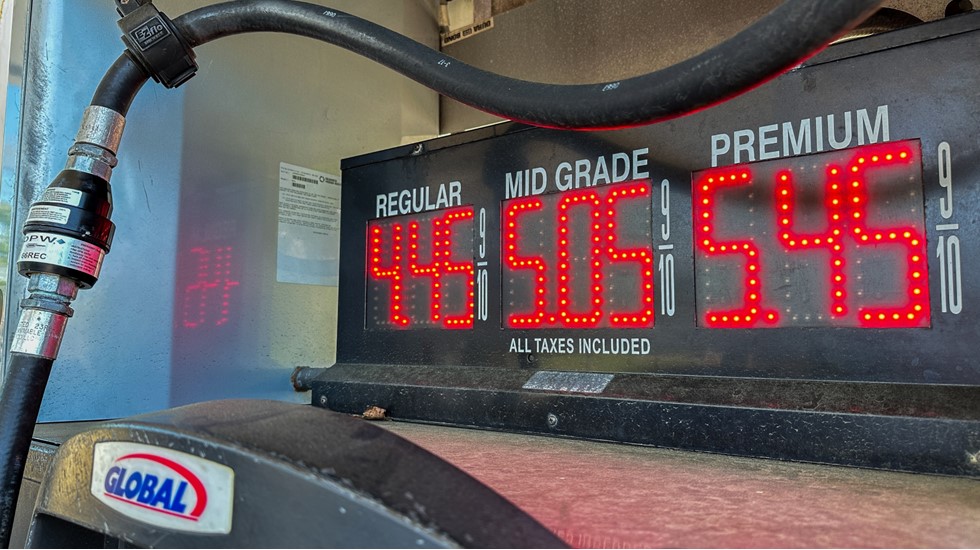
Prices at the gas pump increased at the fastest two-month pace on record. The jump in diesel costs happened even faster, ahead of the spillover effects that shortages can have across supply chains, including fertilizer and the food supply.
The rise in prices at the pump is colliding with other energy price hikes that began well ahead of the war in Iran. Electricity service jumped 1.6% in April, their fastest monthly increase since January 2023. That is further crimping household budgets, a key issue on the ballot in November; it is fueling backlash to data center construction.
Salient increases
Food and energy costs are what is known as “salient” prices. They tend to be associated with a higher risk of untethering inflation expectations. That makes the entire economy more vulnerable to a sustained bout of inflation or worse, stagflation. We are unlikely to see a repeat of the 1970s but the risks are rising, which is critical to the Federal Reserve.
When inflation expectations become untethered, central banks must resort to larger, more draconian rate hikes to tame inflation. In the early 1980s, the Fed was forced to lift interest rates into double digits, triggering two brutal back-to-back recessions to wring out the stagflation of the 1970s.
Core prices sticky
Core CPI rose 0.4% in April and 2.8% from a year earlier. That is the hottest annual pace since June 2025, prior to rate cuts by the Fed late in the year. The loss of the CPI survey in October due to the government shutdown left us with much of the CPI zeroed out for the month. That has taken a toll on year-over-year data. Actual inflation is rising faster than the annual figures suggest.
Big-ticket items were not the problem, but consumer electronics were. Smartphones jumped 1% in April alone, due to the memory chips needed to run AI models, which were already in short supply ahead of the Iran war. The loss of helium and other key semiconductor inputs, along with escalating energy costs, could push prices higher later in the year. Data centers have become more expensive to build.
The April report included revisions to seasonal factors for 2026 and a reindexing of many components of the index. The largest effects hit shelter costs, which doubled the pace at which they rose in April. Underlying inflation is still accelerating after adjusting for statistical quirks.
The super-core services measure of inflation, which strips out shelter costs, jumped 0.4% in April and 3.5% from a year ago. That is the highest annual increase since November 2025 and heading in the wrong direction for the Fed. We live in a service-based economy with service sector inflation running a full one and a half percent above the levels we saw pre-pandemic and what is considered consistent with the Fed’s target on inflation. Goods prices moderated a bit as the effects of earlier tariffs abated but new tariff investigations have been fast-tracked by the administration.
The goal is to replace revenues lost to the Supreme Court’s ruling on 60% of the tariffs levied last year. Brace for more lawsuits when new tariffs go into effect in August. A lower court has already ruled against the administration’s use of another section of the tariff law to reinstate a 10% base level for most tariffs.
Prices for everything from hotel rooms to airfares jumped. The rise in jet fuel was so abrupt, it accelerated the failure of a budget airline. Passengers and crews were literally forced to disembark from planes at gates with no funds to fly.
Worse before it gets better
The closure of the Strait of Hormuz is more than an energy shock; it is roiling supply chains around the world in ways that echo the disruptions we saw during the pandemic. That suggests we could continue to feel its effects well into 2027, even if the strait were to reopen tomorrow.
We are unlikely to see a repeat of the 1970s but the risks are rising.

Diane Swonk
KPMG Chief Economist
Bottom Line
Today’s data underscore what consumers have already known: inflation is accelerating again; the effects are compounding. Worse yet, this is only one of several inflation readings we will get this week. Brace for more bad news, which could put the Fed in the difficult position of being forced to raise rates instead of holding them at current levels. The risk to inflation expectations is particularly high. It is a very hard moment for someone to take over at the helm of the Fed. There are no easy options: hold rates steady or cut and risk a more persistent, corrosive bout of inflation, or raise rates and add insult to injury to a labor market that looks better on paper than it feels to most workers.
Explore more



Subscribe to insights from KPMG Economics
KPMG Economics distributes a wide selection of insight and analysis to help businesses make informed decisions.
Meet our team