Fed splinters even further in March
Support for rate cuts and hikes.
March 13, 2026
The Federal Open Market Committee (FOMC) – the policy setting arm of the Federal Reserve – is scheduled to meet March 17-18. The FOMC is widely expected to extend its pause on rate cuts. Credit conditions have tightened, while escalating tensions in the Middle East have pushed oil prices rapidly higher.
The vote to stay on the sidelines will likely be accompanied by two dissents in favor of a quarter- point cut in rates. Governor Stephan Miran has signaled that he is willing to dissent for a fifth consecutive meeting.
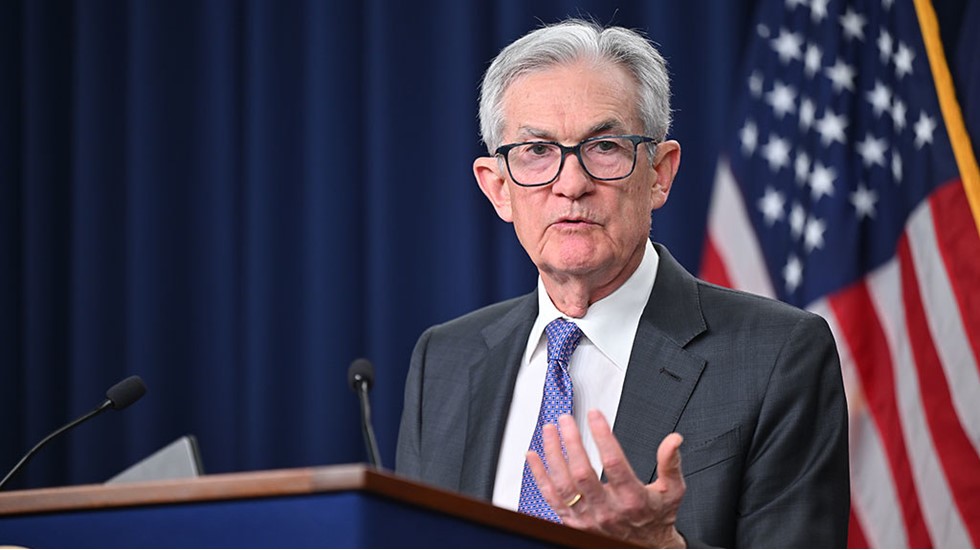
Governor Chris Waller sat on the fence in late February ahead of the jump in energy prices. Either he or Governor Miki Bowman is likely to dissent along with Miran in favor of another rate cut. I would be surprised to see three dissents among Chairman Jay Powell’s inner circle of Governors – it is not a good look for the Fed. However, little falls under the guise of precedent these days.
The statement following the meeting is likely to flag the war in the Middle East as a threat to both inflation and employment. The timing is particularly hard for the Fed, as it is occurring against a backdrop of accelerating inflation.
The personal consumption expenditure index (PCE), which the Fed targets at 2%, rose for the second consecutive month in January and looks poised to do so again in February. The components of the consumer price index and producer price index which feed into the PCE index came in hot for February.
The closure of the Strait of Hormuz is particularly consequential, as it is poised to roil supply chains. The narrow stretch carries more than just oil and could cause a broader rise in price levels, from the gas station to the grocery store.
The Fed is scheduled to release its forecasts for economic growth, inflation, unemployment and short-term interest rates. The forecasts are being made amidst a cloud of uncertainty. I would expect participants at the meeting to mark down their assessments of growth, while they mark up their estimates of inflation and unemployment.
The “dot plot,” which includes participants’ expectations for rate hikes or cuts is likely to show a little of both. Those dissenting in favor of rate cuts will pencil in more cuts for the rest of the year, while we could see some of the more hawkish participants in the meeting pencil in a rate hike.
The minutes from the January meeting revealed an emerging debate about whether the next move the Fed makes should be up or down on rates. Tension between the Fed’s dual mandate of fostering price stability and full employment will be reflected in participant rate projections.
Chairman Powell will reiterate the Fed’s commitment to “data dependence” amidst a high level of uncertainty. Nominee Kevin Warsh has said he would like to abandon data dependence and rely more on forecasts to set policy, given the lags in interest rate shifts and their impact on the economy.
We need to see a major reduction in uncertainty regarding the Fed’s leadership to embrace such a shift in its decision rule.
Warsh has argued that productivity grown alone will justify cuts on a forward-looking basis. Historically, productivity has raised not lowered the neutral or non-inflationary short-term rate. This time may be different, but not yet. The surge in productivity growth we saw last year was not enough to derail the inflation we had, not the inflation still in the pipeline. That is what hawks are focusing on. There will be substantial pushback that productivity growth alone is enough to warrant rate cuts.
We now expect the Fed to hold off on rate cuts until September. We have limited cuts to only two prior to the end of the year. The risk is that we could see a u-turn and a hike in rates by the Fed, depending on how bad scarcities become.
There will be substantial pushback that productivity growth alone is enough to warrant rate cuts additional cuts, especially in 2026.
Diane Swonk
KPMG Chief Economist
Explore more



Subscribe to insights from KPMG Economics
KPMG Economics distributes a wide selection of insight and analysis to help businesses make informed decisions.
Meet our team