Front-running lifts orders
Numbers look good at first glance.

August 26, 2026
July durable goods orders surged 1.1%, beating market expectations for a 0.5% rise. Excluding transportation, orders increased 0.4%, a touch softer than the consensus estimate for a 0.6% advance.
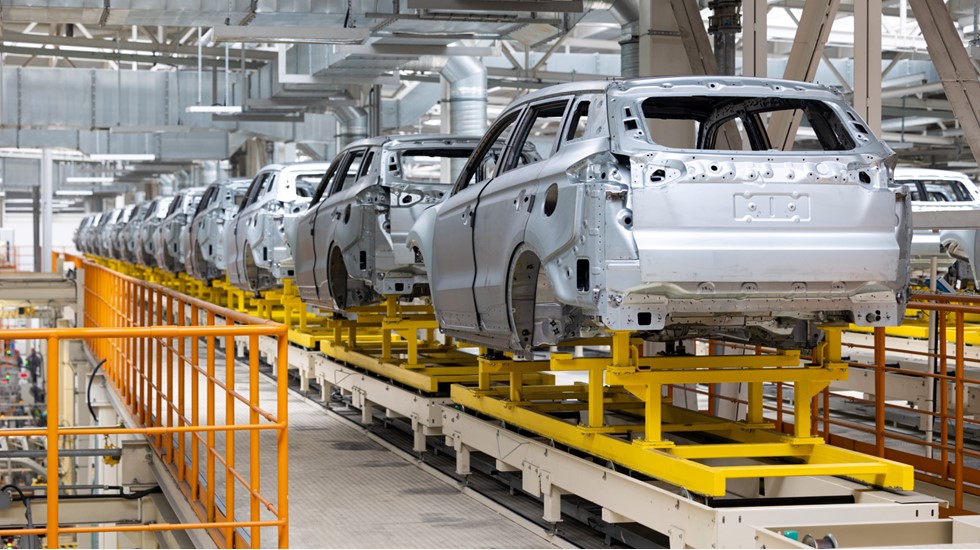
Transportation orders increased 2.3%, led by a 12.7% jump in civilian aircraft orders and a 0.9% increase in orders for motor vehicles and parts. Aircraft manufacturers received an increase in bookings for new airplanes at the UK Farnborough Airshow that took place in July. Although consumers have found renewed caution in their purchases of discretionary items, they continue to spend on big-ticket items such as automobiles. Vehicle sales held at a 16.3 million annual pace in July, near the 16.5 million in June. Industries associated with motor vehicles booked solid gains. Primary metals orders climbed 1.5%, machinery orders rose 1.2% and fabricated metals increased 0.4%.
Orders associated with the AI boom fell in July. Orders for computers and electronics declined 1.1%, the first drop in three months, while electrical equipment orders fell 0.4%, the first decline in five months. The drop is too soon to reflect the growing backlash to data centers we are seeing in the run-up to midterm elections but underscores a slowdown in the momentum of data center construction.
Core orders posted a soft increase in July, a sign that sentiment about future business activity might be souring. Nondefense capital goods orders excluding aircraft, a proxy for capital spending, rose only 0.2% after surging 1.7% and 1.9% in June and May, respectively. Manufacturers continue to be buffeted by geopolitical tensions, including rising interest rates. The Strait of Hormuz remains effectively shut, hitting supply chains. Global market participants have pushed US Treasury yields higher, nudging up debt capital costs at a time when inflation is eating into profit margins.
Nondefense capital goods shipments excluding aircraft jumped 1.4%, which reflects a more immediate response by manufacturing executives to push out product ahead of additional tariffs and supply chain disruptions. This week, the US and Canada engaged in a trade war with both sides escalating. Separately, we project nonresidential fixed investment to rise at a 3.9% annualized pace in the third quarter, down from 8.5% in the second quarter.
Additional tariffs and our outlook for two interest rate hikes from the Fed, one in September and another in December, could restrain capex later this year.

Ken Kim
KPMG Senior Economist
Bottom Line
The July durable goods orders data looks good on the surface but we see concerns on the margins. A less heady AI boom, additional tariffs and our outlook for two interest rate hikes from the Fed, one in September and another in December, could restrain capex later this year.
Subscribe to insights from KPMG Economics
KPMG Economics distributes a wide selection of insight and analysis to help businesses make informed decisions.
Explore more



Meet our team