Resilient core orders face tariff headwinds
Aircraft orders firm.
July 27, 2026
June durable goods orders rose 0.3%, following the upwardly revised 4% drop in May. The modest rebound missed expectations. Excluding transportation, orders advanced 0.6%, the slowest pace since January.
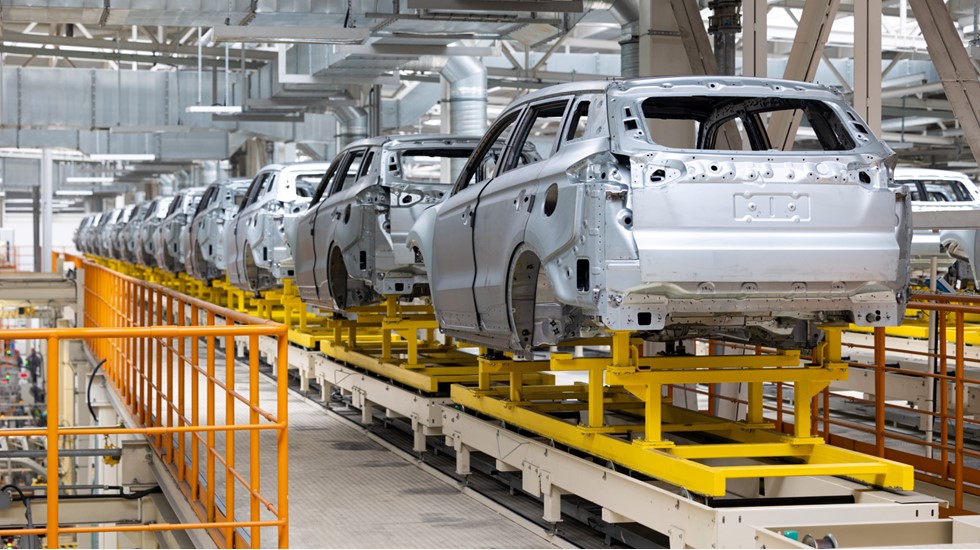
Durable goods orders were mixed across industries. Orders for motor vehicles and parts slipped 0.6%, marking the first decline since November 2025. Vehicle sales at a 16.5 million-unit rate for June came in lower than the pre-pandemic pace, but were the highest since September 2025. Contending with tariffs, vehicle producers have compressed margins to contain soaring post-pandemic prices.
Transportation orders declined for the second straight month, down 0.2% in June after falling 13.5% in May. Civilian aircraft orders have whipsawed but those have long lead times. The larger issue for aircraft is that production is up from a rocky 2024 and 2025. A major strike and safety concerns dampened production earlier in the cycle. Orders bounced back into positive territory, after plummeting 51% in May. Boeing booked orders for 121 new planes in June alone, a sharp pickup from 27 the previous month. Fabricated metals orders slipped 0.5% while machinery orders edged lower.
The AI boom continues to support orders of key inputs. Computers and electronic products jumped 3.1%. That marks nine increases in the last ten months. Communications equipment gains outpaced those of computers and related products. Primary metals orders climbed 1.1% as electrical equipment, appliances and components moved up 0.9%.
A rise in core orders showed the spillover from data centers and overall manufacturing activity. Core orders have increased the most, on an annual basis, since November 2021, following the post-pandemic rebound.
Nondefense capital goods orders excluding aircraft, a proxy for capital spending, rose 0.9%, after increasing 1.9% in May. The Strait of Hormuz reopened in mid-June, so some of the orders reflect optimism about the resumption of shipping traffic.
A restocking of depleted inventories and the front-running of price hikes buoyed the gains in core orders. Tariffs are back and scheduled to hit in full in August, as the administration attempts to replace the revenues lost to the Supreme Court ruling. Additional tariffs have been levied on Canada and Brazil. The former, to exert pressure for US-Mexico-Canada Agreement (USMCA) negotiations, which is in limbo due to annual reviews. The latter, citing unfair trade practices.
The Institute for Supply Management (ISM) Manufacturing New Orders subindex remained in expansionary territory for its sixth straight month, despite global supply chain disruptions. The May Institute for Supply Management (ISM) Manufacturing New Orders reading was the second highest since early 2022, when orders were cooling following the post-pandemic surge.
Nondefense capital goods shipments, excluding aircraft increased 1.9%, showing increases in nine of the last ten months. We forecast business fixed investment to rise at a 6.4% pace in 2026, a more than 50% increase over the previous year. Continued investment in AI drives much of this growth, with spillover effects to the broader manufacturing sector.
We forecast business fixed investment to rise at a 6.4% pace in 2026, a more than 50% increase over the previous year.

Benjamin Shoesmith
KPMG Senior Economist
Bottom Line
Core orders remained healthy, despite weaker than expected headline figures. The aircraft industry is on an upswing, which is showing up in the broader production data. The ongoing orders support the broader economic outlook for continued gains. That strength has raised inflation concerns along with the persistence of service sector inflation. We expect two interest rate hikes from the Fed by year-end.
Subscribe to insights from KPMG Economics
KPMG Economics distributes a wide selection of insight and analysis to help businesses make informed decisions.
Explore more



Meet our team