A pregnant pause at the Fed
Voting members change.
January 23, 2026
The Federal Open Market Committee (FOMC) policy setting arm of the Federal Reserve has signaled that it will pause rate cuts starting in January. That follows three sequential cuts in as many meetings in late 2025.
We could see two dissents at the January meeting. Governor Stephan Miran is expected to cast his last dissent in favor of a one-half percent cut at the meeting before returning to his helm at the Council of Economic Advisers at the White House. Governor Michelle Bowman, who has sided with Governor Chris Waller on concern that the labor market is a greater risk than inflation, has signaled that she would like to see lower rates as well. She could cast a dissent in favor of a one-quarter point cut.
Presidents Beth Hammack of the Cleveland Fed, Neel Kashkari of the Minneapolis Fed, Lorie Logan of the Dallas Fed and Anna Paulson of the Philadelphia Fed are all rotating into voting positions this year. The first three tend to be more hawkish and were not enthusiastic about the last cut but are not likely to dissent as the Fed moves to the sidelines. Paulson has signaled a desire for a pause. The persistence of inflation for nearly five years is already straining the Fed’s inflation-fighting credibility.
There are many legitimate reasons to pause amidst ongoing debate within the Fed. Disruptions to data collection due to the government shutdown have created a mess of the inflation data and made it hard for the Fed to delineate what is noise as opposed to a signal on where inflation is, let alone where it is going.
The Fed has said little about how changes in immigration policy could affect inflation. Pockets of labor shortages are appearing where immigrants play an outsize role, such as leisure and hospitality. The quits rate, which plummeted during much of 2025, did a U-turn and soared in leisure and hospitality. That is limiting service and pushing up costs in accommodation and food preparation.
Demand held up despite a chill in the labor market in 2025. The AI boom and the wealth it generated supported growth, but left it more concentrated in a few firms and households, with stagnating employment. That buoyant demand and the pass-through of tariffs boosted inflation during the year.
Unemployment and inflation moved up in tandem in the back half of 2025 for the first time since the 1970s. That shifted the Fed’s dual mandate to foster full employment and price stability in tension. It became more of a dueling mandate, which should provoke healthy debate – that is what we got and will contend with for some time to come within the ranks of the Fed.
Much like asset prices that compound over time to boost wealth, inflation has compounded at a much faster pace than anything in recent history for nearly five years. That has resulted in a large wedge between how the affluent and low- and middle-income households view the economy.
That gap could briefly narrow as fiscal stimulus hits at the start of the year when the rise in tax refunds due to expansions to tax cuts last year will be nearly as big as some of the COVID-era stimulus. That stimulus, with inflation still simmering, could cause a more entrenched bout of inflation.
Further complicating matters are estimates of the noninflationary fed funds rate. A minority within the Fed believes the current 3.5% - 3.75% target is neutral and that anything lowers risks overstimulating the economy at a critical juncture. We simply will not know until after the fact.
Indeed, one Wall Street firm expects a rate hike this year. It has no added cuts. I have sympathy for that reason. If the labor market weakness we are enduring is structural instead of cyclical, then rate cuts cannot cure what ails it. (Structural factors include everything from curbs on immigration to the loss in the supply of workers via a surge in retirements – baby boomers are aging into peak retirement years.)
The good news is that unemployment has come off its 2025 peak. Temporary layoffs abated with the reopening of the federal government. Funds are flowing back to communities hardest hit by the shutdown. The wildcard is efforts by the administration to cut funds to specific states, which in the case of childcare, have significant spillover effects for working parents and their ability to participate in the workforce.
For now, the Fed is in wait-and-see mode. This period could be prolonged due to rapid policy shifts and the uncertainty that accompanies those shifts.
That stimulus, with inflation still simmering, could causes a more entrenched bout of inflation.
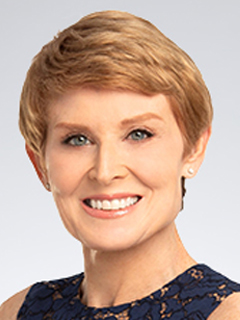
Diane Swonk
KPMG Chief Economist
Explore more



Subscribe to insights from KPMG Economics
KPMG Economics distributes a wide selection of insight and analysis to help businesses make informed decisions.
Meet our team