Why human resources must reinvent its operating model to realize AI value
HR transformation requires more than technology deployment. It requires changes to operating models, governance, processes, and workforce planning.

HR leaders are facing increasing pressure to deliver greater efficiency, effectiveness, workforce agility, and employee experience while preparing for the impact of AI. At the same time, new workforce models are emerging that extend beyond traditional employees to include contractors, vendors, and AI-powered digital labor. As organizations evaluate the future of HR, many are asking the same question: how should the HR operating model evolve to support these new realities?
Organizations should think about transformation in three stages: Plan, Pivot, and Perpetuate. The first step is understanding what a future-ready HR function looks like and how Total Workforce Management can help organizations align workforce strategy, workforce planning, employee experience, governance, and technology.
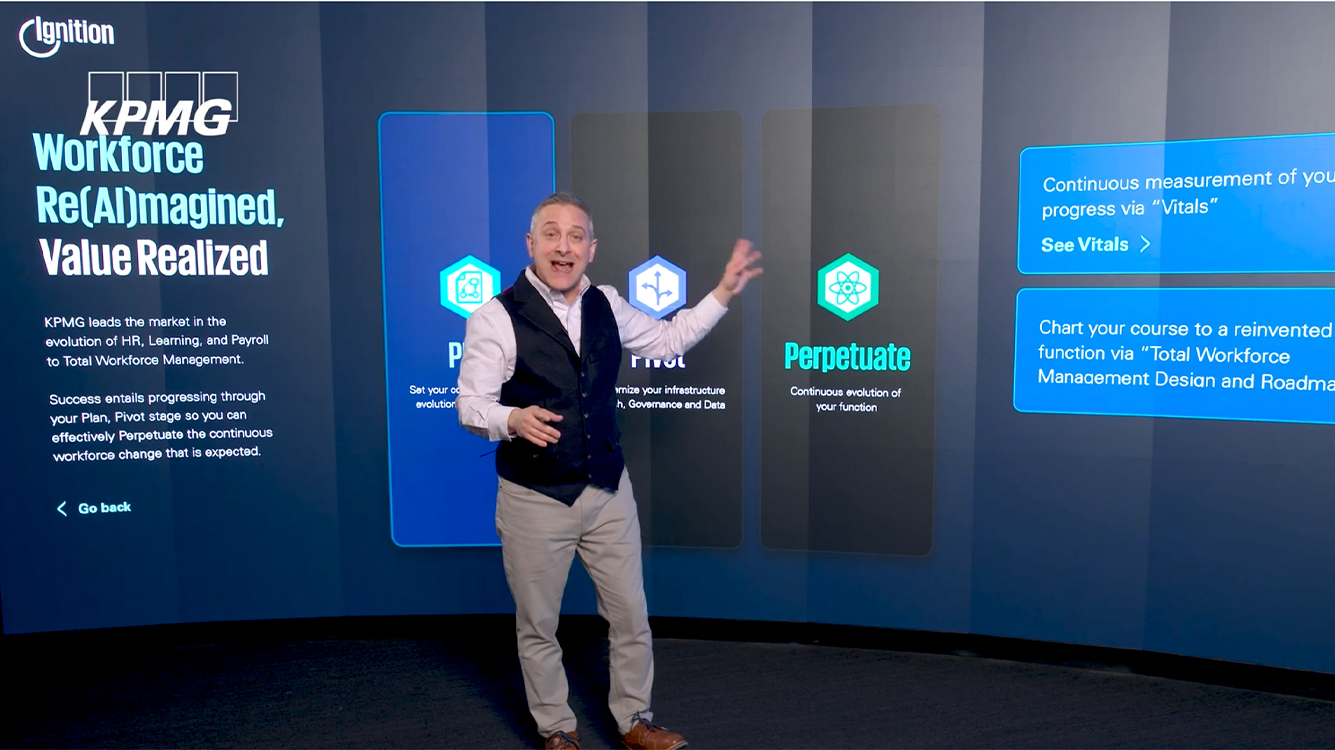
WATCH: Why reinvent human resources?
In this video, Evan Metter discusses why many organizations are moving beyond traditional HR constructs toward a broader Total Workforce Management model. The discussion explores how organizations can think differently about workforce strategy, workforce planning, digital labor, workforce agility, and operating model transformation as AI becomes part of the workforce.
Key takeaways
- Organizations increasingly need to think across employees, contract labor, vendors, and AI agents as part of a single workforce strategy.
- HR transformation requires more than technology deployment; it requires changes to operating models, governance, processes, and workforce planning.
- Total Workforce Management provides a framework for managing evolving skills, capabilities, and workforce capacity across multiple labor sources.
- Effective transformation requires a sustainable approach that extends beyond one-time modernization initiatives.
Planning for the future of human resources
Before organizations can transform how they operate, they need a clear understanding of where they are today and what outcomes they are pursuing. That includes establishing baseline measures across efficiency, effectiveness, employee experience, and workforce agility, while creating alignment across HR, learning, payroll, workforce management, and related functions.
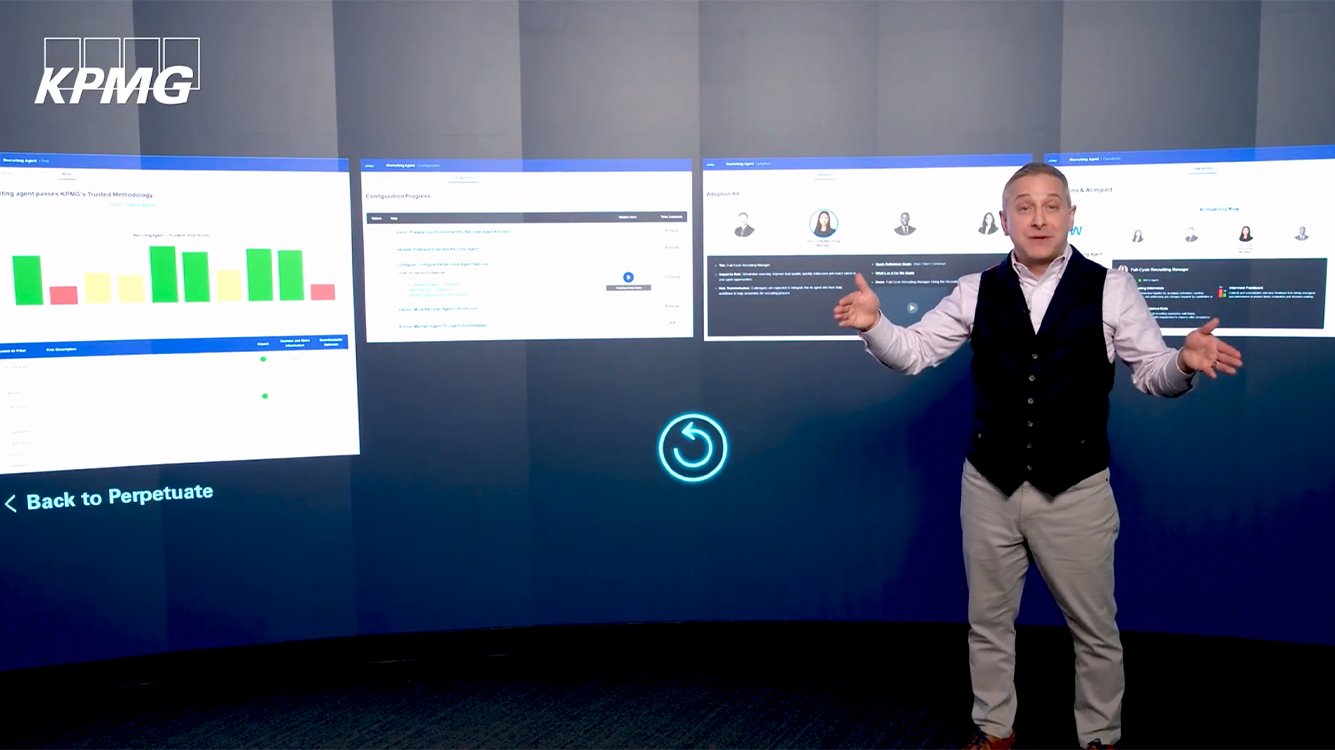
WATCH: Establish the foundations for Total Workforce Management
This video focuses on how organizations can establish a foundation for Total Workforce Management. It discusses the importance of workforce insights, workforce shaping, employee experience, HR transformation strategy, and operating model alignment.
Key takeaways
- Transformation begins by understanding current organizational performance and workforce health.
- HR leaders are increasingly looking beyond functional silos to create a more integrated workforce management approach.
- Employee experience, workforce agility, effectiveness, and efficiency remain critical measures of success.
- Organizations need a vision and roadmap that connects workforce strategy, technology, operating model design, and governance.
Subscribe to Human Capital Real Insights: Delivering in today's world of work
Subscribe to Human Capital Real Insights for access to research, analysis, and events to help you gain strategic insight and position your enterprise for a competitive advantage.
Explore more



Meet our team