Spending posts tepid gains; inflation persists
Brace for the Fed to signal a rate hike.

April 9, 2026
Disposable personal income fell 0.5% after jumping a downwardly revised 0.6% in January. Tax refunds, which had a lift from tax cuts last year, are making their way into consumer wallets but with a delay. Staffing shortages at the IRS and a push to wean people from paper checks have delayed refunds. Social Security payments are rising as a share of income due to the surge in baby boomers aging into retirement. It now accounts for 7% of disposable income, up from 6.4% before the pandemic.
Consumer spending edged up 0.1%, after flatlining in January. Disruptions due to unusually bad winter weather abated. Parts of the South suffered power outages in January due to frigid temperatures. Mobility picked up as gains in spending at restaurants and a pivot back into physical stores showed. The saving rate dropped to 4.0, its lowest level since December, from 4.5% in January.
Mobility is a key issue to watch as prices at the pump soared in March. Consumers tend to take fewer trips and cut back on dining out when that happens. Earlier tax cuts and the jump in tax refunds will blunt but not fully eliminate that drag on spending for the month of March. Vehicle sales picked up in February and hit their highest level in six months in March when used electric vehicle sales surged, along with prices.
Spending on services slowed. A drop in spending on recreational services and more moderate spending across the board tempered February gains. A lapse in subsidies for the affordable care act means more consumers are opting out of health insurance. Those funds will likely be redirected to other necessities as costs start to rise more rapidly in response to the war in Iran. The loss of insurance along with curbs on Medicaid at the state level will eventually show up in emergency room visits, which are more costly than preventive care.
Inflation sticks
The personal consumption expenditure (PCE) index rose 0.4%, building on a 0.3% gain the previous month. That translates to a 2.8% pace from a year ago, the same as January. That is despite a pick-up in prices a year ago and the harder year-on-year comparisons.
A better gauge of pricing momentum is the three-month annual increase, which rose to 4.1% in February from 3.5% in January. The six-month annualized pace rose to 3.4% from 3.2% last month. That is the wrong direction for the Federal Reserve.
We need to see monthly gains decelerate at half that pace or less to return to the Fed’s 2% target on inflation. We are moving away from that target and that started even before price hikes due to the war in Iran.
We are five years into the post-pandemic bout of inflation. That seeds the ground for an untethering of inflation expectations via the boost to oil prices, which plays an outsize role in expectations. Gas stations act as billboards, advertising the rise in prices for all to see.
The core PCE, which strips out food and energy, rose 0.4% in February. That is the same elevated pace as January. The core cooled slightly to 3%, but that provides little solace as it reflects more difficult year-on-year comparisons. The three-month annualized pace hit 4.4% in February, up from 3.6% in January. The six-month annualized pace rose 3.4% from 3.1% in January.
Core durable goods jumped 1% during the month alone, the fastest since January 2022, when prices soared emerging from the pandemic. The jump in recreational goods and vehicles jumped 2.3%, a new record. The data goes back to the 1950s.
Information processing soared more than 50% in February alone. The gains were concentrated outside of computers. They appeared in software and accessories – gaming – which more than doubled during the month. That is fastest information processing we’ve seen since December 1971.
Other durables jumped 1.5%, the fastest pace since August last year. That is the second fastest increase since April 2019. Jewelry jumped on higher gold prices. Furniture and vehicles posted tepid gains; that will not last. We’ve already seen new and used vehicle sales soar in March; used vehicle prices jumped, especially for electric vehicles.
Core services, which exclude housing, edged up 0.2% in February, a much-needed reprieve from the 0.5% pace of January. That cools the year-over-year pace to 3.2% from 3.5%. That is still more than one full percent above the 2019 level.
The three-month annualized pace came in at 4.0% compared to 4.3% the previous month. The six-month annualized pace slipped to 3.7%, down slightly from 3.9%. We need to see much lower services sector inflation to return to price stability.
GDP Revisions
Real GDP was revised down to 0.5% for the fourth quarter from the 0.7% estimate last month. The largest downward revision was in investment. There are some signs of green shoots in investment in the first quarter, but they could be quashed by the uncertainty triggered by the war in Iran and the higher interest rates that has precipitated.
A moderate bout of stagflation may occur.
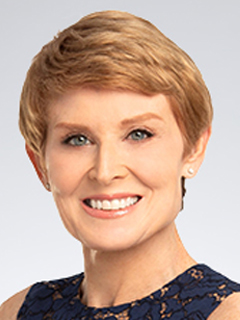
Diane Swonk
KPMG Chief Economist
Bottom Line
The economy is still growing, but not as rapidly as most would like. More worrisome, inflation remains stubbornly elevated and is compounding. Those increases will worsen in response to the war in Iran, which has roiled supply chains. The Federal Reserve’s minutes from the March meeting revealed that its next move in rates may be up instead of down. Brace for the Fed to signal that at the conclusion of its next meeting on April 29.
Kevin Warsh is scheduled for his confirmation hearing on April 16. Chairman Jay Powell’s term as chairman lapses mid-May. Any effort to cut rates, which the administration would like to see, will be met with pushback from other Fed policy makers. A moderate bout of stagflation may occur. Supply chain disruptions take time to unfurl, while expectations could become unmoored.
Subscribe to insights from KPMG Economics
KPMG Economics distributes a wide selection of insight and analysis to help businesses make informed decisions.
Explore more




Meet our team