Consumers hibernate but inflation remains buoyant
Rate hike may be on the table.

March 13, 2026
The personal consumption expenditure (PCE) index rose 0.3% in January and was up 2.8% from a year ago. That is slightly lower than the 2.9% gain in December, due largely to weaker prices at the gas pump. Energy goods and services fell 1.7% during the month, the largest decline since March 2025. Brace for a surge in those costs in the weeks and months to come in response to the war in the Middle East.
The three-month annualized pace, which is a better measure of near-term momentum, jumped 3.5% in January from 3.2% in December. The six-month annualized pace rose to 3.2% from 3.0%. That is the wrong direction for the Federal Reserve, which targets the PCE index at 2%.
The core PCE, which excludes food and energy, jumped 0.4%, slightly faster than we saw in December. That translates to a 3.1% increase from a year ago, which is the hottest pace since Spring 2024. The core index rose 3.7% on a three-month annualized pace, up from 3.1% in December. The six-month annualized pace rose to 3.1% from 2.9%.
Core goods prices, which strip out energy, jumped 0.3% after increasing 0.4% in December. A surge in durable goods prices offset declines in nondurables. The largest increases showed up in personal computer prices, which soared 3.1%, the highest since April 2021. That had been an area where foreign producers were discounting earlier in the tariff cycle. Prices for carpets and other floor coverings jumped 3.2%, the highest since August 2022.
The super core services index, which excludes shelter and energy services, rose 0.4% in January and 3.5% compared to a year ago. That is the fastest pace in a year. The service sector is less affected by tariffs and more worrisome for the Fed; it suggests that underlying inflation is accelerating.
The three-month annualized pace on super core services surged to 4.2% from 3.9% in December. The six-month annualized pace soared to 3.9% from 3.7% the previous month.
Healthcare increases drove most of the gains. The largest increases occurred in what is known as paramedical which includes home health, medical labs and specialty outpatient care.
Outside of healthcare, we saw continued increases in video and audio streaming prices. Audio streaming and radio services soared 4.5% during the month, the fastest monthly pace since 2017.
Professional services lost ground, while funeral services jumped 3.1% during the month. The jump in the latter was the fastest increase since the brutal inflation of the early 1980s.
Insurance costs were mixed. Health insurance fell 0.6%, while workers comp fell 4.9%. The latter is a volatile series. Vehicle and homeowners’ insurance continued to edge higher.
Savings soared due to a jump in incomes
Personal consumption expenditures edged up 0.1% after adjusting for inflation. That is weaker than the 0.7% surge in disposable incomes. The saving rate jumped nearly a full percentage point to 4.5% in January from 3.6% in December.
Harsh winter weather left many consumers homebound, especially in the South. Spending on big-ticket durable goods fell, while nondurable goods moved sideways. Services were the outlier for the second consecutive month.
The largest losses were seen in spending on motor vehicles and parts. The largest gains affected spending on financial services, healthcare, housing and utilities. A cold snap across much of the nation exacerbated the rise in utilities over and above inflation.
More than half of the gains in disposable incomes are due to a surge in Social Security payments alone. Baby boomers are aging into their peak retirement ages of 65 between 2024 and 2027. The annual cost of living adjustment for January was 2.8%, up from 2.5% last year. Many boomers tapped their benefits early last year for fear of losing them down the road.
Growth revised down in fourth quarter
Real GDP growth was revised down in the fourth quarter substantially from 1.4% in the initial estimate to a meager 0.7% annualized pace. The six-week government shutdown shaved an estimated full percentage point from growth due to the delay in government services and will be recouped in the first quarter. State and local government spending was revised lower.
The downward revision reflected weaker spending on health care, which was somewhat offset by upward revisions to spending on goods. Other sectors came in weaker, with the except of imports, which were less of a drag on growth. The price deflator was a tick higher, which is another headwind to inflation-adjusted growth.
Final sales of domestic product came in at a more robust 3.1% during the quarter. That is close to the underlying pace of 3.2% in the third quarter.
Consumer moods sour
Separately, the consumer sentiment index, which taken in late February and early March, edged down again. The index dropped to 54.1, its lowest level of the year. The survey said that interview taken prior to strikes in Iran were more optimistic than those taken after the onset of the conflict. The consumer sentiment index is more sensitive to shifts in prices than the consumer confidence index, which more closely tracks feelings about the labor market.
Consumers of all political affiliations and across income strata reported a blow to their expected finances. About half of the interviews were completed prior to strikes in Iran. Inflation expectations have come off the highs of 2025 but remain above those for 2024 one year ahead. Long-term expectations are close to the level hit in 2024, prior to tariffs but remain well above pre-pandemic norms.
Underlying inflation pressures were already rising ahead of the war in the Middle East and are set to intensify.
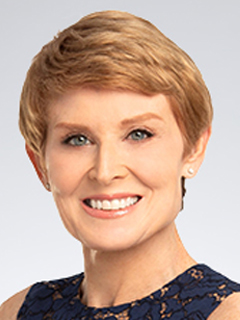
Diane Swonk
KPMG Chief Economist
Bottom Line
Underlying inflation pressures were already rising ahead of the war in the Middle East and are set to intensify. Oil prices have surged more than $40 per barrel above prewar levels, adding roughly $1 per gallon to gasoline prices and more to diesel and jet fuel, while supply chain disruptions are increasing scarcity.
The acceleration in services inflation is especially troubling for the Fed, as it should be less affected by tariffs. That dynamic could push hawks to consider a rate hike rather than further cuts at next week’s meeting, with doves likely dissenting when tensions over the Fed’s dual mandate intensify.
Subscribe to insights from KPMG Economics
KPMG Economics distributes a wide selection of insight and analysis to help businesses make informed decisions.
Explore more




Meet our team