Transportation orders dragged down orders
Oil price spike still to hit data.

April 7, 2026
February durable goods orders declined 1.4%, near the consensus expectation of down 1.2%. January orders were revised lower to a loss of 0.5%. Excluding transportation, orders rose a firm 0.8%; many components saw increases. However, the February data can be considered old news due to the Iran war. The sharp increase in energy costs is likely to sap the enthusiasm among manufacturing businesses that was apparent at the start of the year.
Transportation orders fell 5.4%, pulled down by a near 30% drop in civilian aircraft orders. Boeing booked orders of 21 aircraft in February, down sharply from 107 in January.
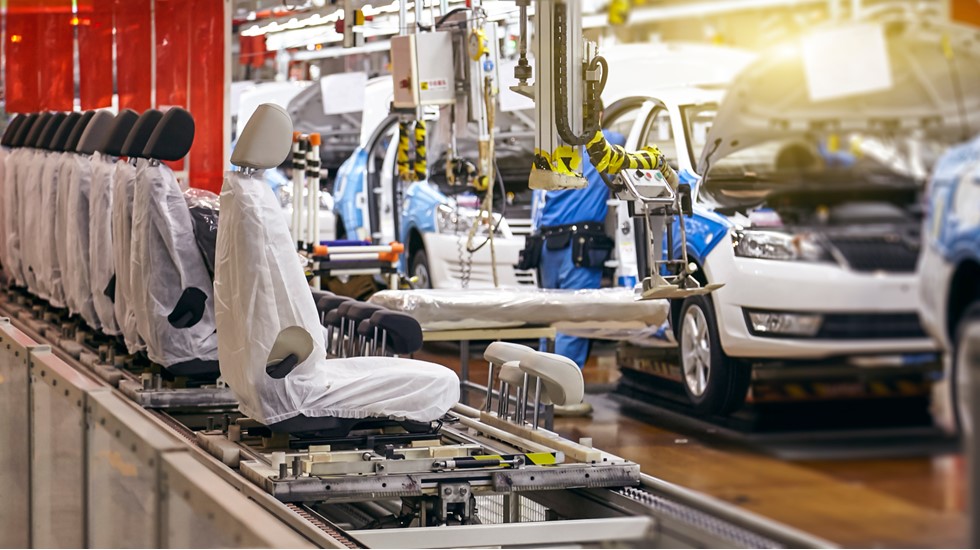
There was one bright spot among transportation orders. Motor vehicles and parts orders rose 3.1%, the largest increase in a year. Tax refunds provided consumers with some additional spending money to afford new vehicles.
Gains were widespread in February with the exception of orders associated with data centers. Electrical equipment orders fell 0.1% after losing 1% the month before. Orders for computers and electronic products were flat, the weakest reading in six months. A shortage of chips, particularly memory chips, is constraining the buildout of data centers and prompting speculative builders to head for the exits.
Industries that recorded strong increases in February included primary metals with orders up 2.2%, and machinery orders, which increased 1.5%. Fabricated metals orders advanced 0.5%.
Nondefense capital goods orders excluding aircraft, a proxy for capital spending, rose 0.6% after declining 0.4% in January. The full deductibility of depreciation expense was a tailwind for the manufacturing sector. This is less likely going forward due to the rise in operating costs owing to higher diesel prices. The new orders index for the PMI lost momentum in March, which is one of the first reports to capture the effects of the energy shock on the industrial sector. The index was reported at 53.5 in March, posting a lower reading than the prior two months. The breakeven level is 50.
Nondefense capital goods shipments excluding aircraft increased 0.9% after no change. We estimate nonresidential fixed investment, a component of GDP, to rise at a 5.1% annualized rate in the first quarter, which may be the best reading of the year given the unfolding situation in the Middle East.
Such unpredictability will inhibit orders and investment and suppress growth in manufacturing industries.

Ken Kim
KPMG Senior Economist
Bottom Line
What appeared to be a promising start to the year for the manufacturing sector is devolving into a backdrop of elevated uncertainty. Business leaders now have to assess multiple scenarios for their industries and the economy. For the Federal Reserve, the Fed’s next move in interest rates may be either up or down. The Fed will embrace optionality in the path of rates. What all this means is that such unpredictability will inhibit orders and investment and suppress growth in manufacturing industries.
Subscribe to insights from KPMG Economics
KPMG Economics distributes a wide selection of insight and analysis to help businesses make informed decisions.
Explore more



Meet our team