Warsh speaks, markets infer
No hand-holding.
August 28, 2026
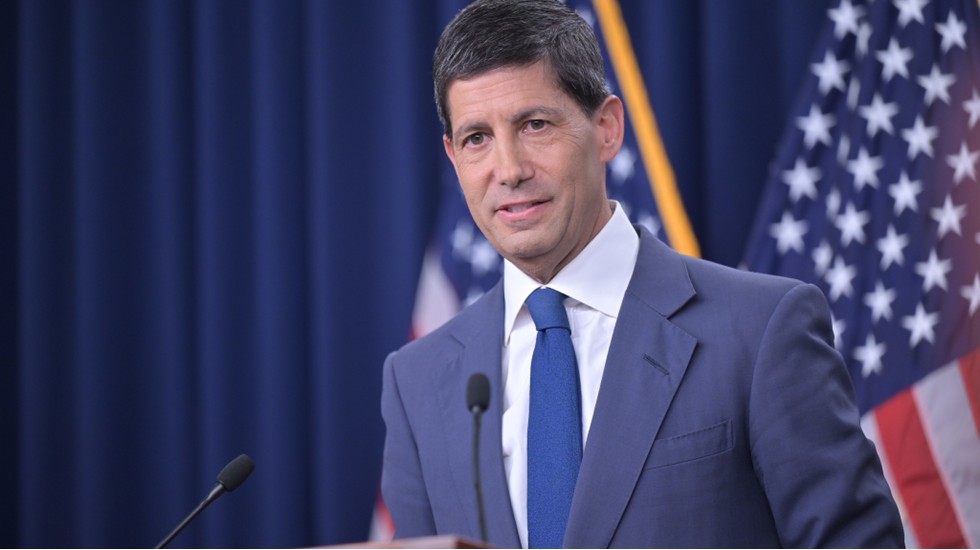
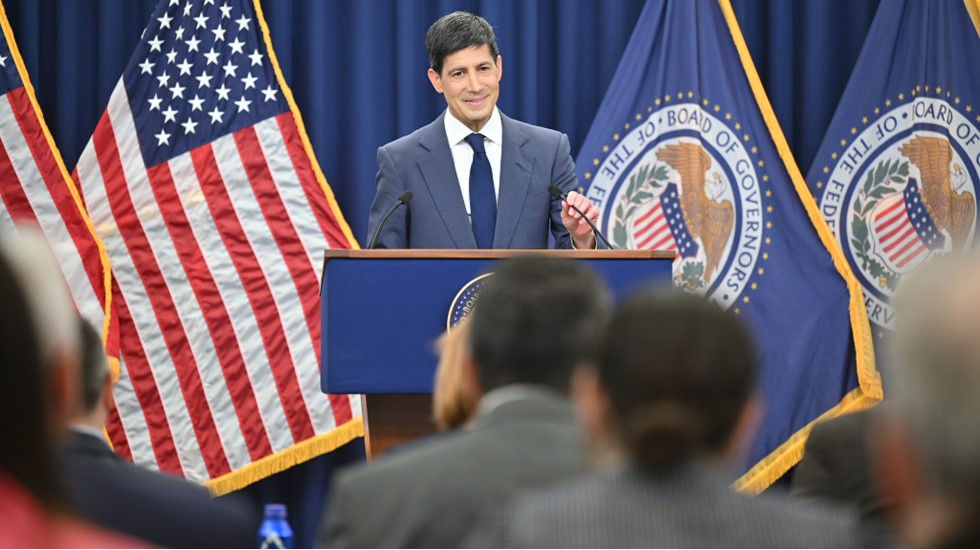
Federal Reserve Chairman Kevin Warsh used his inaugural Jackson Hole Symposium speech to draw a line between transparency and hand-holding. Call his remarks an outline or a trail map, “just don’t call it forward guidance,” he said.
The quip captured the shift. He wants markets to read the economy instead of waiting for the Fed to tell them which trade comes next.
That is a lofty goal. Forward guidance can become a trap when the economy declines to follow the forecast. The harder question is whether Warsh replaced it with enough of a framework to keep markets from writing one for him.
He rejected a mechanical reaction function. The economy is too complex, and our knowledge too limited, to reduce policy to a formula that converts every hot or cold data point into a rate move. His preferred language was more exact: “I stand here today committed to a discipline, not to a decision.”
That discipline begins with inflation. Warsh called the 2% PCE goal firm and fixed and stressed that price stability is not self-executing. Recent inflation readings were better than expected, but he argued they did not show that the underlying trend had meaningfully improved. Inflation must be moving toward 2% clearly and at sufficient speed. Otherwise, the Fed still has work to do.
The speech was strongest when Warsh defended the target and weakest when he left the route to it deliberately vague. Rejecting a preset course is sensible. Rejecting a clear reaction function is riskier. Markets do not stop inferring because the Fed stops guiding; they fill the void, often with more volatility and less nuance than policymakers would prefer.
Warsh’s description of the economy left room for the next move to be up. Output remains solid, financial conditions are not broadly restrictive and the labor market is consistent with full employment. Strong capital spending, much of it tied to AI, could mark a hinge point in history.
The promise is faster productivity and growth. The near-term complication is that those gains may arrive only after the investment boom has added to demand. For now, AI is boosting spending on power, chips, equipment and skilled labor before its productivity benefits are broad enough to offset those pressures. That may lift the economy’s speed limit over time. It may also lift the neutral rate, which would mean current policy is less restrictive than it appears.
Warsh shunned the familiar label of “data dependence,” but not the use of data. He said the Fed should rely on relevant, timely and accurate information, avoid stale numbers and look through isolated readings toward the trend. That is consistent with the task forces he launched and his hope that the Fed can identify measures that are more predictive of inflation.
Better data would help. It will not eliminate uncertainty or difficult trade-offs. Alternative inflation targets may remain under review, but reconsidering the yardstick while inflation remains above target could undermine confidence in the commitment to 2%. Judgment must be anchored in principles, not reduced to a formula or dictated by the market’s preferred timetable. It also must be explained well enough that markets can distinguish discipline from discretion.
The pricing of a September rate hike increased with his speech.
Diane Swonk
KPMG Chief Economist
Bottom Line
Warsh offered discipline instead of direction: inflation is still too high, the labor market solid; the Fed’s credibility will be measured by results. A quieter Fed could reduce overreliance on policy signals. Without a sufficiently clear framework, markets will fill the silence. The pricing of a September rate hike increased with his speech, which underscores how far market participants will go to fill the voids in his comments.
Explore more


Subscribe to insights from KPMG Economics
KPMG Economics distributes a wide selection of insight and analysis to help businesses make informed decisions.
Meet our team