Demand jumps, inflation simmers
Resilient economy fails to resonate.
October 29, 2026
Real GDP accelerated at a 3.4% annualized pace in the third quarter after rising at an average 2.4% pace in the first half. That is the strongest overall growth for the US economy in a year.
Consumer spending expanded at a robust 3.8% pace, the same as the second quarter. Those were the strongest back-to-back gains since emerging from the pandemic in the back half of 2021. Gains were broad-based from services to goods. However, spending on services, which includes healthcare, outpaced other gains.
Housing slipped further into an ice age. Higher mortgage rates are adding to affordability hurdles. Everything from escalating real estate taxes to the costs of construction and workers, which are being bid up by competitors for their talents by data centers, are keeping housing out of reach for too many. The situation is not getting better in the fourth quarter, with home builder sentiment plummeting in October to its lowest level since 2012 – in the aftershock of the housing bubble bursting.
Investment accelerated, riding the highs of the AI boom. Equipment spending alone surged at a 20.9% annual rate. That gain marked the third quarter in a row of double-digit gains, the strongest since rebounding from pandemic lows in the third quarter of 2020. The challenge for employment is that many of those inputs are expensive because they are imported, which is limiting employment gains relative to other capital spending booms. Backlogs remain strong, with firms supplying the boom touting multiyear backlogs.
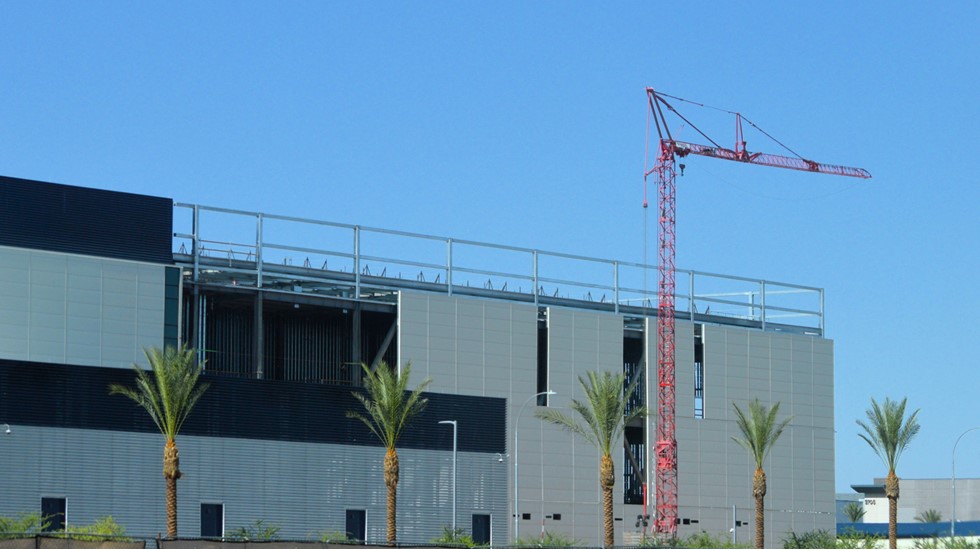
Even structures, which were weak since early 2024, rebounded during the quarter. Nearly all of those gains were in the construction of data centers, which are now competing for the same scarce resources as other infrastructure projects. Labor is particularly constrained. The premiums hyper-scalers can pay are crowding out other forms of investment. (Note: Those closest to the industry think the Commerce Department is still undercounting data center structures due to how closely hyper-scalers guard their plans. It will take time to catch that undercount in the revisions to the data.)
Inventories were rebuilt in the third quarter after draining during the first half of the year. They alone added 1.6% to growth, which is the largest contribution since the front-running of tariffs in early 2025. Some of those gains reflect yet another rush to stockpile inputs for data centers ahead of new tariffs slated to go into effect December 4.
Oil inventories are the outlier; they continue to hover near record lows. Restocking those inventories will create a floor under prices once the current conflict in the Middle East has faded; they could add to the tail on inflation.
Federal government spending rebounded at a double-digit rate over the summer. Gains were robust for both defense and non-defense spending. The federal deficit hit a stunning $2 trillion in fiscal 2026, or 6% of GDP. Federal debt held by the public eclipsed the size of the economy for the first time since WWII. Spending at the state and local levels contracted.
Federal government spending rebounded at a double-digit rate over the summer. Gains were robust for both defense and non-defense spending. The federal deficit hit a stunning $2 trillion in fiscal 2026, or 6% of GDP. Federal debt held by the public eclipsed the size of the economy for the first time since WWII. Spending at the state and local levels contracted.
The trade deficit widened dramatically, shaving 3.3% from overall growth. Imports soared at a 19.7% pace, nearly matching the rise in equipment spending, as most of the inputs to data centers are imported. AI equipment is becoming even more import-intensive, which has dampened the boost to employment associated with those expenditures.
Exports faltered as growth among many of our trading partners was hit harder by higher energy prices. Some consumers abroad are boycotting US products due to new trade policies. Canada ranks high on that list.
Inflation takes bite from incomes & savings in September
Disposable personal incomes, which capture after-tax incomes, fell 0.3% after adjusting for inflation in September. Payroll gains were tepid, while both average hourly and weekly earnings slipped further into the red after adjusting for inflation. Outlays for pensions and interest income helped to temper that weakness.
Consumer spending edged up a tick after adjusting for inflation, which took a cut from consumer savings. The saving rate fell to 3.8% in September, the lowest level since April this year when the saving rate briefly dipped below 3%. The drop in savings in April occurred largely due to the surge in spending associated with a jump in tax refunds.
Spending gains in the last month of the quarter skewed more toward services. Vehicle sales fell but from lofty levels as buyers attempted to front-run tariffs. Those out on vacation rebounded sharply in the September employment report after dipping earlier in the summer to the lowest level since the pandemic.
Inflation gains steam
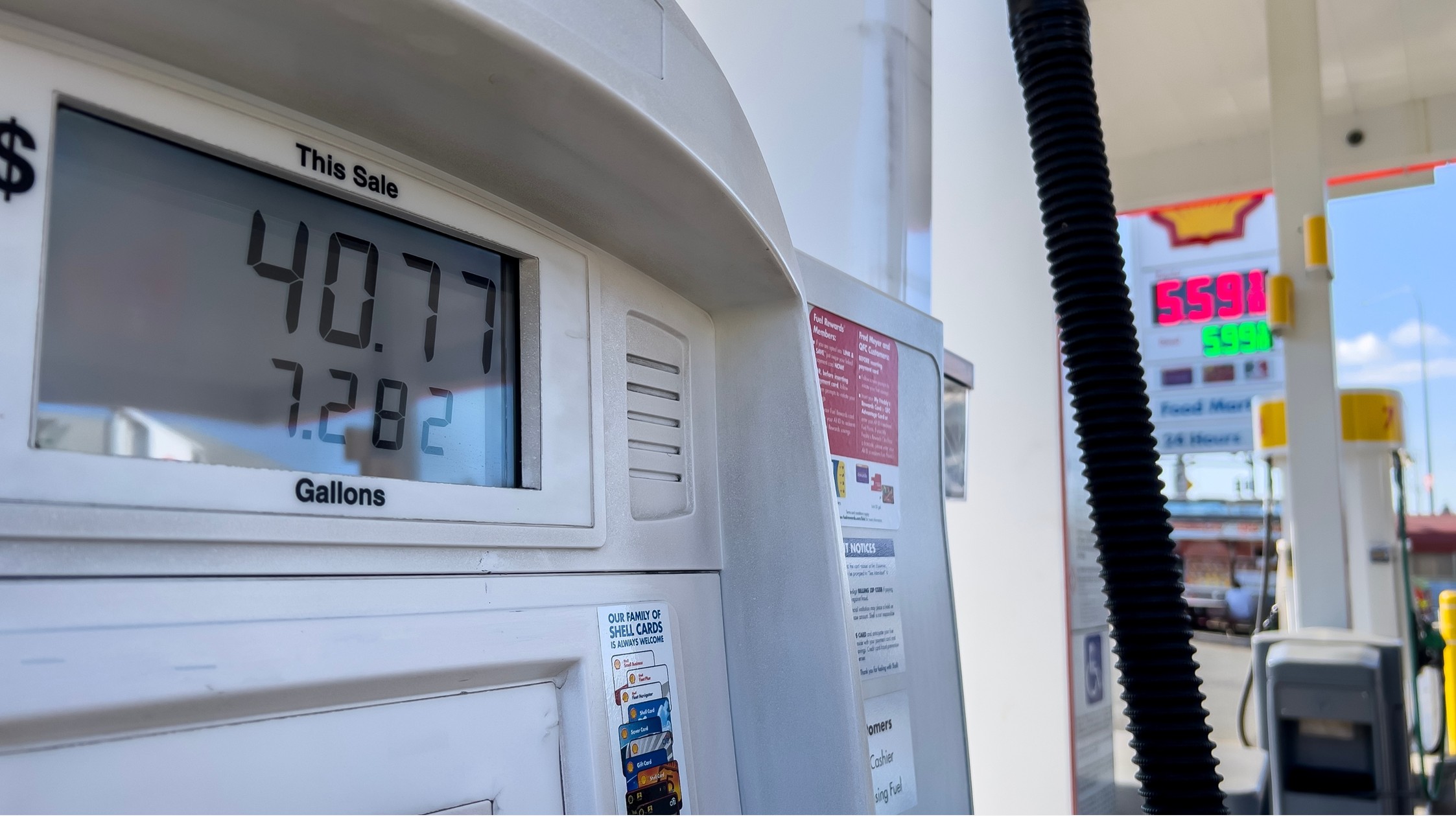
The personal consumption expenditure (PCE) index, the Federal Reserve’s favored measure, surged 0.5% between August and September. That is the largest one-month increase since March, which followed the start of the conflict in the Middle East. Prices at the gas pump and fuel oil soared more than 9% in September. Those gains translated to a 3.6% rise from a year ago, the hottest annual pace since May.
Food banks are slammed, despite persistently low unemployment. Community food and housing relief services jumped 0.9%, as those at low- and some middle-income households turned to food banks and shelters to meet their family’s needs.
Core PCE, which excludes food and energy costs, rose 0.3% buoyed by service sector gains outside of healthcare costs. That lifts the annual core gain to 3.1% in September, up a tick from the pace of August.
Core goods prices rose 0.2%, the fastest pace since February, when tariffs from 2025 were beginning to bite. Jewelry and toys were up the most. The administration agreed to exclude some children’s products in their exclusions on tariffs after the China Summit in September. Those will not come soon enough for the holiday shopping season. Brace yourself.
The super core measure of PCE, which gets to underlying service sector inflation, rose 0.4% as well, which is too hot for comfort. The super core is now up 3.6% from a year ago, well above the 2% or less year-over-year gains we saw pre-pandemic. This is an issue that worries hawks at the Federal Reserve as service sector inflation appears to be becoming entrenched.
Higher education costs jumped 1.2%, which is the largest increase since August 2003. The ranks of foreign students on campuses have fallen. They often pay full tuition and subsidize costs for native-born students. Those shifts and cuts to federal funding are pushing up higher education costs.
Airfares, hotel room rates, motor rental and recreational services all jumped along with public transportation. Motor vehicle maintenance and repair continued their upward march along with personal services, which includes haircuts.
Healthcare costs were not a driver in September but remain a sticking point for year-over-year gains. Child- and eldercare were exceptions. Medicaid limited the ability of providers to bid up wages and replace workers lost to immigration curbs. Foreign-born workers play a disproportionate role in the care economy.
Dampening those increases was a drop in internet and legal services. The Commerce Department changed how they measure legal services to better capture actual costs.
We expect at least two rate hikes by Spring 2027.

Diane Swonk
KPMG Chief Economist
Bottom Line
Robust growth is colliding with supply constraints. Consumers are racing tariffs; data centers are bidding up costs while inflation is eating into income and savings. Inflation is simmering with more heat in the pipeline. The Fed paused in October after raising rates in September, but a pause is not surrender in the battle against inflation. Two policymakers dissented in favor of another hike. The December Fed meeting is live for a rate hike. We expect at least two rate hikes by Spring 2027.
Subscribe to insights from KPMG Economics
KPMG Economics distributes a wide selection of insight and analysis to help businesses make informed decisions.
Explore more



Meet our team