Warsh asserts Fed’s independence
Rate hiking cycle begins with unanimous vote.
September 16, 2026
The Federal Open Market Committee (FOMC) – the policy-setting arm of the Federal Reserve – voted to raise the federal funds rate by a quarter point to a target range of 3.75%–4%. It was the first rate hike since July 2023 and marked a sharp reversal from the easing cycle that ended late last year.
Inflation forced the Fed’s hand. Price pressures remain too elevated and too persistent for policymakers to look through, while the economy and labor market have held up well enough to absorb tighter policy.
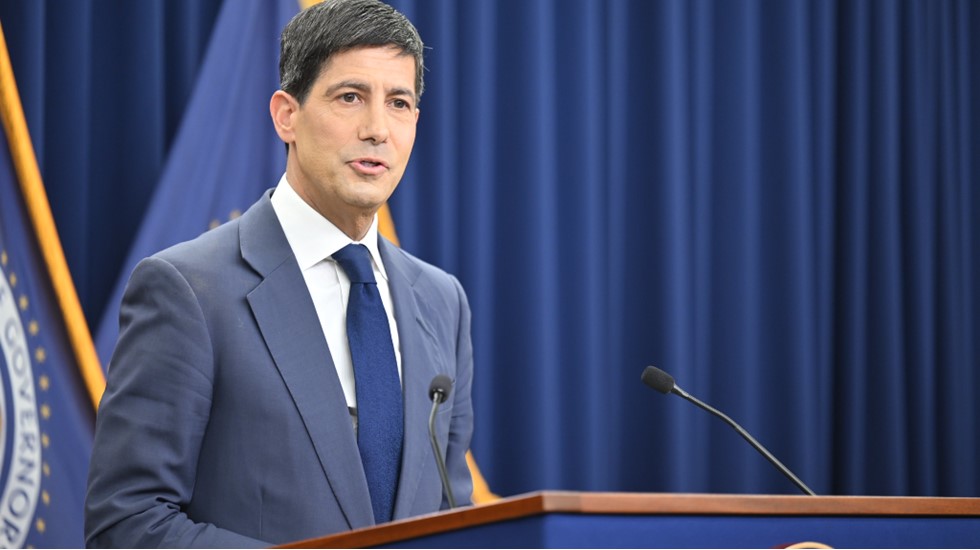
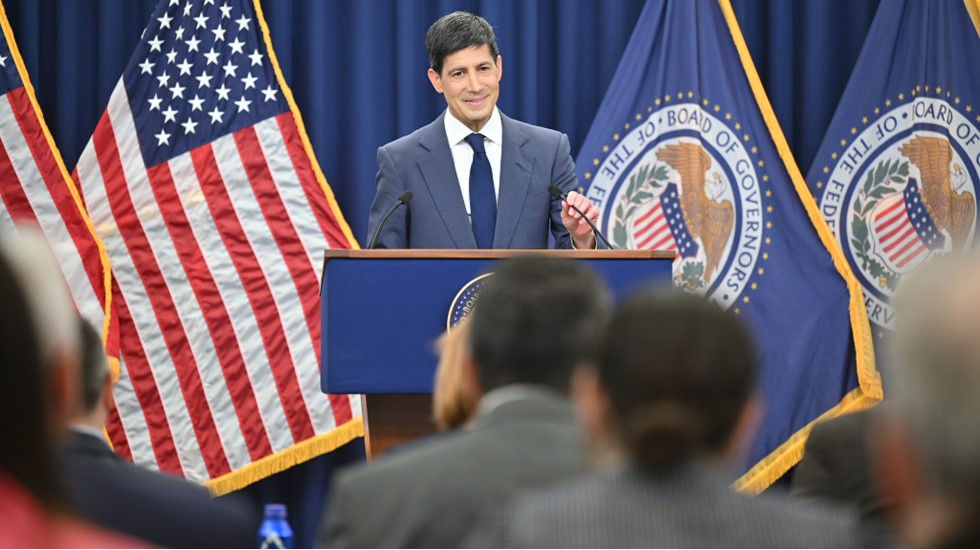
The vote was unanimous, which is an important affirmation of the Fed’s independence. Fed Chairman Kevin Warsh underscored that he and his colleagues saw resilience in the economy, even if it those gains are not resonating with all consumers. Warsh highlighted many of the factors spurring inflation. They are both supply and demand factors.
The Summary of Economic Projections (SEP), which Warsh did not participate in, showed slightly stronger growth, a lower unemployment rate and a higher year-end outlook for inflation. “The plain fact is that inflation is too high and has been too high for too long,“ Warsh said.
He noted that other countries are having the same problems with inflation. That provides him with some cover with the administration, along with his assessment that growth is robust and inflation will cool without derailing the recovery.
The September statement marked a hawkish turn from June. The Fed shifted from maintaining rates to raising them by a quarter point, to 3.75%-4%. It broadened its discussion of uncertainty beyond the Middle East to risks “owing, in part, to geopolitical developments," while adding that “domestic spending has been resilient.”
The statement sharpened its assessment of the supply side, describing productivity growth as strong. Business investment is robust, fueled by the data center boom, which is seeing much backlash at the state and local levels. The language on the labor market remained unchanged. “The labor side of the Fed’s remit is in good shape,” he said. The Fed views the current historically low unemployment rate as consistent with full employment.
The statement dropped June’s references to supply shocks and sector-specific price increases and stated more bluntly that “inflation remains elevated.” It also said the hike would “support a timelier return” to the Fed’s 2% target.
However, Warsh would not elaborate on the forecast his colleagues made that pushed the 2% target out to 2029. He explicitly said, “those aren’t my forecasts.” He is clearly signaling a faster return to price stability; it is unclear that can be achieved without hitting demand harder.
More rate hikes are in the pipeline. The dot plot, which shows the trajectory of expected rate hikes by participants at the meeting, revealed that a solid majority - 16 of 18 - expect at least one additional hike this year. That will raise the fed funds rate to a 4% - 4.25% target range by year-end. Eight expect another hike in 2027; only four see rate cuts next year.
We revised our forecast up to three rate hikes late last week but remain concerned that the risks are to the upside. A soft landing may be fanciful, given the duration of inflation endured. The post-pandemic bout of inflation is the longest since the late 1970s/early 1980s.
Today’s meeting marked the start of a rate hiking cycle. The yield on the 10-year Treasury bond rose in response to the decision throughout the press conference and after it was concluded. Markets are betting that the Fed battle takes longer than Chair Warsh implied; they need higher rates to compensate for the loss in purchasing power associated with inflation.
Separately, the neutral or non-inflationary rate was revised up slightly to 3.2%. That would imply that the current fed funds rate is modestly restrictive. Warsh did not want to speculate on the neutral rate but reiterated, “…as I said at the policy symposium in Jackson Hole, I would be hard-pressed to describe broad financial conditions as restrictive. This view was widely shared by the Committee. So we removed a dose of accommodation.”
The Fed is attempting to restore price stability without destabilizing the expansion, but inflation - not growth - is now setting the pace.
Diane Swonk
KPMG Chief Economist
Bottom Line
The Fed has begun to reverse course and take back the rate cuts it gave us in late 2025. The risk is that three rate hikes alone will not derail what has become a more persistent and broad-based bout of inflation. The Fed is attempting to restore price stability without destabilizing the expansion, but inflation - not growth – is now setting the pace.
Explore more


Subscribe to insights from KPMG Economics
KPMG Economics distributes a wide selection of insight and analysis to help businesses make informed decisions.
Meet our team