Inflation Forces the Fed’s Hand
September's rate hike is expected to be the first in a series.
September 14, 2026
The Federal Open Market Committee (FOMC) – the Federal Reserve’s policy-setting arm – is expected to raise rates by a quarter point to 3.75%–4% in September. It is an about-face, but not a surprise. Inflation is still well above the 2% target. It has spread across the economy and is becoming embedded in consumer and firm behavior – exactly what the Fed must prevent.
The message will be simple: Inflation is forcing the Fed to reverse course. The new statement will likely continue to call growth “solid” and describe the labor market as little changed after the rebound in August payrolls. Its inflation warning will be amplified. The pledge to restore price stability will stay.
The Fed sets policy using economy-wide averages. Yet those averages are increasingly propped up by a small number of wealthy households and large firms. The Fed cannot redistribute income or wealth. It can curb inflation, one of the most regressive taxes. Rising prices hit hardest those with the least ability to absorb them. Restoring price stability is the Fed’s best way to rebuild the purchasing power too many have lost.
Today’s inflation reflects both supply and demand shocks. Supply shocks are harder to overcome without weakening demand. That raises the odds that September begins a series of rate hikes, not a one- or two-move adjustment. We now expect three rate hikes, with the risk tilted toward more.
Financial stability is the brake. The Fed is likely to move in quarter-point steps instead of repeating the oversized hikes it used to catch up in 2022. Move too fast, and hidden market fragilities could surface.
September’s Summary of Economic Projections (SEP) should reinforce that message. In June, nine of 18 participants predicted at least one hike in 2026; six of them expected two. Eight called for no change and one for a rate cut. More will likely favor hikes now. Growth and unemployment forecasts are likely to fall, while inflation, the rate path and estimates of neutral will move up. The question is no longer whether the dots in the dot plot rise, but whether they point to one rate hike or a broader cycle.
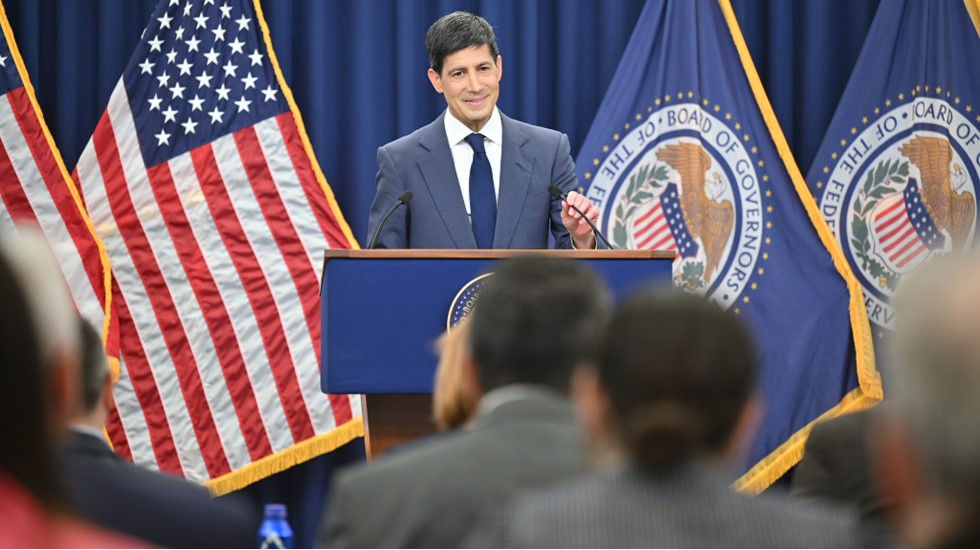
A rate hike might have drawn dissents before the latest inflation reports. That is less likely now, though still possible. Sticky inflation, new oil and trade shocks, the bond market rout and political pressure to cut together raise the value of speaking with one voice. After more than five years of missing the 2% target, Chairman Kevin Warsh and the Fed need to present a united front.
The bond market is keeping score. Investors want more compensation for inflation, policy uncertainty and the risk that the Fed could blink. Sticky inflation and heavy Treasury borrowing can keep long-term yields high even if short-term rates fall. Treasury intervention to hold down yields raises the stakes by feeding fears the Fed could bow to political pressure.
That is the paradox: A hike now could lower long-term rates later. Restore faith in the 2% target, then the inflation premium can fall. Fail, and markets will tighten instead through higher mortgage rates, business borrowing costs and interest on the debt. Blink now and investors will charge more later.
We expect a quarter-point hike in short-term rates for September and a higher path for rates. The signal matters as much as the move. Inflation above 3% is not low, narrow or fleeting. The Fed must restore its credibility, protect purchasing power and convince investors that inflation will return to target. Displace the muscle memory now or pay more later. We all need lower inflation. The paths from here to there is littered with potholes.
Blink now and investors will charge more later.
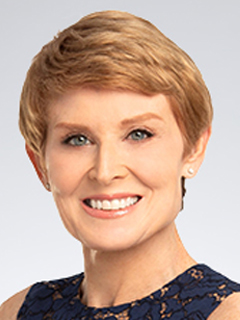
Diane Swonk
KPMG Chief Economist
Explore more



Subscribe to insights from KPMG Economics
KPMG Economics distributes a wide selection of insight and analysis to help businesses make informed decisions.
Meet our team