Energy adds fuel to a well-kindled fire
Inflation has not disappeared.
October 14, 2026
Inflation came roaring back in September. The consumer price index (CPI) surged 0.6%, pushing the annual rate to 3.7%, its hottest pace since May and a tenth above consensus. Gasoline prices jumped 9.1% despite temporary suspensions of gasoline taxes in several states. The hit at the pump alone accounted for more than half of the monthly rise in the CPI.
Groceries offered a rare reprieve. Prices edged lower, with the largest declines in meat and dairy. Large chains used tariff refunds to offer discounts after low-income households pulled back. That relief has limits. SNAP benefits were cut this year; some five million people lost benefits while many who remained enrolled suffered deep reductions.
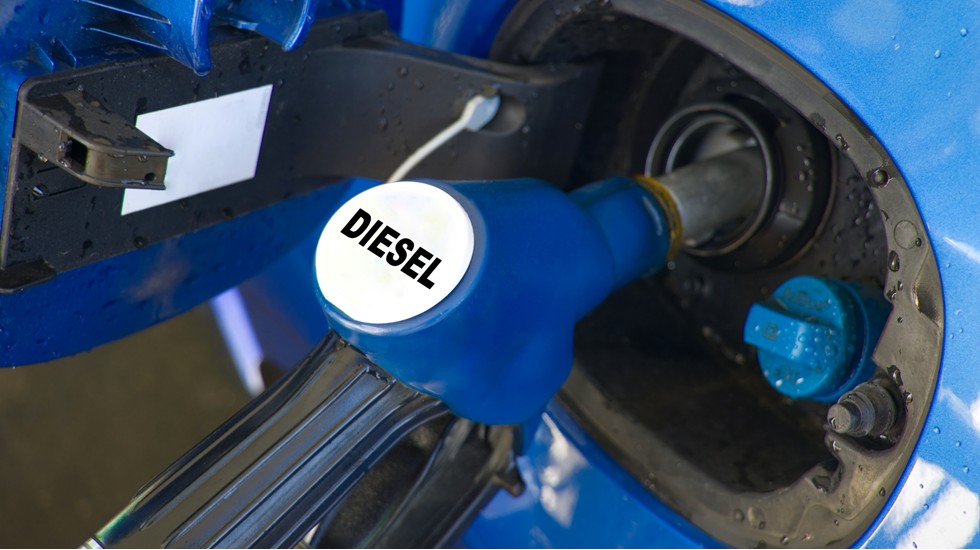
Diesel is the sleeper threat. Record prices raise the cost of moving nearly everything, from food and construction materials to packages at our doors. The increases arrive with a lag and tend to stick. A shortage of oil tankers, higher insurance costs and drought in the Panama Canal are adding another layer to shipping costs. Goods prices excluding energy rose 0.3%, their largest monthly increase since January 2025.
Toy prices rose 4.2% during the month, the fastest monthly rate of increase on record. The data dates to February 1978. Prices jumped 6.6% from a year ago, the largest increase since 1988. Last month’s summit between the US and China rolled back tariffs on many children’s products, but those shifts will take time to show up on store shelves and will be partially offset by higher shipping costs.
Computers and phones jumped 0.9%, despite a quality adjustment reflected in the September benchmark revisions. Those gains were dampened by a drop in prescription drug costs, which fell 1.2% during the month and 4.5% from a year ago. That is the largest annual decline going back to 1948.
Prices for new and used vehicles, parts and equipment rose 0.4%, the largest increase since August 2025. The gains were concentrated on motor vehicle parts and equipment and used vehicles. Vehicle producers have been trying to hold the line on already high prices to bring new buyers into dealer showrooms. Higher energy costs, along with rising Treasury yields that feed into financing costs, are making that more difficult.
Core inflation remains sticky
Core inflation did not give the Federal Reserve much comfort. Prices excluding food and energy rose 0.3%, a tick hotter than markets expected and unchanged from August. The annual pace accelerated to 2.6% from 2.4%, the fastest since June.
An unusual split is opening beneath the surface. Core CPI has run below core personal consumption expenditures (PCE) inflation for 11 consecutive months, the longest sustained inversion since the early 1980s. The reason is largely compositional. Shelter costs carry about twice the weight in CPI that they do in the PCE index, while healthcare and financial services loom larger in PCE. Shelter costs accelerated in September, with hotel room rates rising another 2.0%.
Coverage matters. PCE captures healthcare and other services paid for by employers and government on behalf of households. It also adjusts more readily when consumers substitute away from items when those prices rise, which normally keeps PCE below CPI. The inversion sends a clear warning: inflation has not disappeared. It has migrated from shelter and goods toward healthcare and other services that PCE captures more fully.
Sticky services are the Fed’s red flag. The central bank cannot get PCE inflation back to 2% unless service-sector inflation cools or goods prices fall sharply. The second escape hatch has all but closed. Cheap imports from China once held down goods inflation; tariffs and the nearly insatiable demand for data center inputs are now pushing in the opposite direction.
Services not decelerating
Super core services rose 0.4% in September and 3.2% from a year ago. The annual rate accelerated from 3.0% in August to its hottest pace since May. The measure remains more than a full percentage point above pre-pandemic norms, even as it runs cooler than its PCE counterpart. Hotel room rates continued their climb.
The heat spread well beyond hotels. Airline fares jumped 1.2% in September and 22.4% from a year ago, the clearest outlier. Hospital services rose 0.7%; transportation services and education each increased 0.6%; recreation advanced 0.5%; and medical care services rose 0.3%. That breadth matters. Labor intensive and capacity-constrained services kept underlying inflation elevated even before the energy shock hit.
Healthcare inflation is caught in a vise. An aging population needs more complex care just as an aging workforce and immigration curbs deepen shortages of physicians, nurses, home health aides and long-term care workers. Medicaid cuts add to the strain, weakening providers’ ability to compete for scarce staff.
Reduced access pushes sicker patients into costly emergency rooms, leaving hospitals with more uncompensated care and privately insured patients with more of the bill. The result is higher prices, longer waits and rationed care. Hospital and outpatient care jumped 5.6% and 6.9% from a year ago, respectively.
Real average hourly and weekly earnings fall
Inflation is eating the paycheck. Real average hourly earnings fell 0.5% in September as a 0.1% rise in nominal pay was swamped by the 0.6% jump in consumer prices. Real weekly earnings fell 0.5%; the work week was unchanged at 34.4 hours, so hours offered no cushion. Real hourly earnings had slipped 0.1% in August after edging up 0.1% in July. September erased that gain and marked a second consecutive monthly decline.
The annual picture was no better. Real average hourly earnings were down 0.7% from a year ago. A 0.6% increase in the workweek narrowed the decline in real weekly earnings to 0.1%, but workers had to put in more time to lose less ground. Production and nonsupervisory workers were squeezed harder: real hourly earnings fell 0.6% both during the month and from a year earlier, while real weekly earnings dropped 0.5% in September and 0.3% over the year.
Levels matter more than rates
Rates of change do not pay the bills. Price levels do. The headline CPI is an average that no household actually lives. Lower income families devote more of their budgets to food, rent, utilities and transportation, categories that have often risen faster than discretionary goods and services.
BLS research shows that lower income households experienced higher inflation than higher income households from 2006 through 2023. The CPI basket is weighted by dollars spent, not one household, one vote. As spending becomes more concentrated among affluent consumers, their choices carry more weight in the average. That can mute the strain at the bottom and widen the gap between official inflation and lived experience.
Social Security clock ticks faster
September locked in a 3.6% Social Security cost-of-living adjustment for 2027, up from 2.8% in 2026. The increase, based on the third-quarter CPI-W average, starts with January benefits. It will raise federal outlays but may still fall short of the medical inflation retirees face.
That exposes a painful imbalance. Many workers funding the system have seen prices outrun wage gains, while an aging population swells the number of beneficiaries. Curbs on immigration and weaker labor force growth mean fewer workers paying payroll taxes into Social Security and Medicare. Cost of living adjustments did not create the shortfall, but faster benefit growth and a slower growing contributor base shorten the runway.
The Congressional Budget Office projects that the number of Social Security and Medicare beneficiaries will increasingly outpace the number of workers funding those programs in just six years. Those projections assume immigration will rebound in 2026 to historical norms.
We expect at least two more rate hikes by early 2027, starting in December.

Diane Swonk
KPMG Chief Economist
Bottom Line
September CPI is not a report the Fed can look through. Energy lit the match; sticky services, shelter and goods prices kept the fire burning. Inflation outran wages, squeezing purchasing power just as the labor market weakened. That is the Fed’s bind, but inflation is winning the argument. We expect at least two more rate hikes by early 2027, starting in December. Markets are bracing for more in 2027. September gave the Fed more reason to hike, even if officials hold in October.
Explore more




Subscribe to insights from KPMG Economics
KPMG Economics distributes a wide selection of insight and analysis to help businesses make informed decisions.
Meet our team