Inflation hot, spending weak, precautionary savings up
The core PCE rose 3.3% from a year ago, the hottest annual pace since November 2023.

November 25, 2026
Disposable personal income edged up 0.5% in October after adjusting for inflation, which is a rebound from the 0.2% drop in September. The lift came from jobs, not lower prices. Dividends were up 1.8% in October, the fastest pace since January. Social Security was up 1%, also strongest since January. Medicare and Medicaid posted strong gains as well. Those gains and rising benefit compensation for employees count as income, but do not feel that way for employees who are seeing their wages lag inflation.
Consumer spending was flat after adjusting for inflation. That is close to the September increase of 0.1%, which is less than we saw earlier in the summer. It is one reason that retailers are offering more promotions for the holiday shopping season. The late Thanksgiving and stress many consumers are facing have prompted promotions from luxury to big box discounters.
Wealth effects played an outsized role in fueling consumer spending over the last two years. Newton’s law of gravity is now reasserting itself: what goes up must eventually come down, and that pressure is building as we enter the holiday season.
The savings rate jumped again to 4.1%, from 3.6%, which provides a cushion going into the holiday shopping season. The problem is the wealth effect, which tends to hurt more on the way down than help on the way up.
Inflation reheats & broadens
The personal consumption expenditure (PCE) price index, the Federal Reserve’s preferred inflation gauge, rose 0.3%, following a 0.5% jump in September. That translates to a 3.8% increase from a year ago, the hottest annual pace since May.
Energy cooled but did not retreat; it will be a larger drag on inflation in November, which is welcome news but does not derail overall inflation. Lower prices at the gas pump alone could shave 0.2% from the rise in the PCE index in November. Gas tax holidays are slated to lapse at year-end, which could dampen the drop in prices at the gas pump in early 2027.
Food added to the heat; grocery store prices rose 0.4% and restaurant prices 0.5%. The discounting that grocery chains and big box discounters offered to boost foot traffic in recent months was not enough to fully offset selected increases in everything from baby formula to snacks. The PPI for food, which is a wholesale price, surged 1.3% in October, which suggests more food inflation is in the pipeline for November and December.
Core PCE, which excludes food and energy, rose 0.3% in October, the same as September. The core PCE rose 3.3% from a year ago, the hottest annual pace since November 2023. Gains were more dispersed than we saw in September, another issue the Fed watches closely. Gains were largest in games and toys, household goods, furniture, appliances, jewelry, recreational services, hotels and personal care services.
The outliers on the downside were used car prices, computer software and accessories, clothing and footwear and motor vehicle and transportation services. The PCE can diverge from the CPI due to the way is calculated. Travel incorporates net foreign spending, which was suppressed by spending from tourists visiting the US from abroad. The largest hit to inbound US tourism is from Canada.
Some of the increase in core PCE reflects the spillover effects of higher oil prices and will cool with energy prices. The assumption is that the conflict in the Middle East does not flare again – oil flows have picked up but the situation is in flux.
The other major shock is the AI buildout, which is adding to inflation. The premium that hyperscalers are willing to pay to jump to the front of the line on everything from steel to HVAC equipment is significant. Those shifts are in addition to roiled supply chains, which hit just about everything else and are increasing cost structures. That is adding at least 0.8% to the producer price index today and continues even as the AI trade fades due to backlogs.
Contacts in the data center sector saw an acceleration in orders in October. Those gains are not showing up in full in the official data on the AI buildout. The industry is highly concentrated among a few key players, which risks showing their hand to competitors if they fill out government surveys. That means that it is playing a much larger role in supporting growth than the official figures suggest and boosting the fortunes of more domestic companies. The spillover into hiring is showing up as well, but muted.
The challenge for the Fed is that we need to see 0.2% or less monthly core PCE gains consistently to return inflation to its 2% target. It takes even longer for those who lost ground to inflation, which has proven the longest and most corrosive bout of inflation since the 1970s. A fall in pump prices and more promotions among retailers could get us there in November – but it may not stay there.
A new round of section 301 tariffs is scheduled for a comment period at the start of the year. Those increases would replace lower tariffs that were used as a stop-gap measure after the Supreme Court ruled earlier tariffs were illegal. Lawsuits have been initiated and there is bipartisan support to reduce tariffs. The Democrats are hoping to find Republicans willing to amend the 1974 section 301 tariffs; a 60 votes threshold may be doable; a 67-vote threshold, which is needed to prevent a veto, is a heavier lift.
The largest increases would be on imports from Europe and potentially China. The trade truce with China lapses in January, although they still have leverage in rare earths. The trade war with Canada is ongoing.
Those increases include AI imports. One tariff is slated to hit December 4. That has added to the market rout in AI stocks in recent days.
Services stay hot
Super core services, which the Fed watches most closely, rose 0.3% in October, a slight deceleration from the 0.4% pace of September. The super core PCE rose 3.6% from a year ago, the same as last month. Financial services and insurance cooled with a new method of measuring those gains.
Gains were broad based but not as hot at the CPI. That PCE uses different inputs and weights, as mentioned above with net foreign travel.
Healthcare and social assistance costs were mixed, but demand is still rising faster than supply. Hence, long waits for doctor appointments and a rationing of care. Aging demographics are hitting up against curbs on immigration. Rural hospitals and elder care facilities rely on a disproportionate number of foreign-born workers for their staffing challenges. The worst of the cuts to Medicaid have been delayed but remain a factor for providers who are unsure of funding. They are reluctant to raise wages to deal with pockets of labor shortages.
The situation in the care economy is getting worse. Those providing unpaid care for their loved ones, while working, have spiked. That adds to stress, absences and often flies beneath the radar of the employers.
Moral of the story: Shocks are now a feature of forecast – they are no longer one-off events. The shocks are no longer purely inflationary, as evidenced by a jump in holiday promotions.
Additional tariffs complicate the inflation situation along with the lingering ways in which supply chains have been roiled due to the AI buildout. The Fed is in a tough spot in December, weighing another rate hike but concerned about the speed with which a larger market correction could ripple through the economy.
The Fed talked at length about the risk of a collapse in the AI boom and its ripple effects at its October meeting; it still had dissents in favor of a hike. The Fed looks poised for another quarter point hike in December, but that is less of a sure thing. At least one dissent in the other direction is possible.
The Fed sees a cushion in AI backlogs and household balance sheets, which keeps a December hike in play. A half-point hike is now off the table. One voting member could dissent in favor of holding rates steady.
Real GDP revised significantly higher
Real GDP was revised from 3.4% to a stunning 4.3% annualized pace in the third quarter. Upward revisions to consumer spending, investment and net trade accounted for the bulk of the upward revisions. The gain in overall growth was the strongest in three years.
Consumer spending posted its strongest consecutive quarter since the back half of 2021. Before that, you have to go back to the 1990s boom to see such strong gains. The increases in investment and inventories reflect the data center buildout and some front-running of tariffs, which go into effect on December 4.
Profits continued to soar, which could provide buffers to a correction due to the AI boom. That is another factor the Fed must weigh.
Additional tariffs complicate the inflation situation along with the lingering ways in which supply chains have been roiled due to the AI build out.
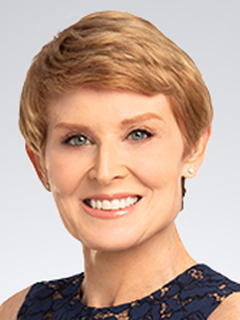
Diane Swonk
KPMG Chief Economist
Bottom Line
Consumers are still spending, but too many are running to stand still. We saw some precautionary saving as markets started to swoon in October. The slowdown comes on the heels of stunning GDP, spending and investment growth in the third quarter. That provides a cushion for the economy through the remainder of the year. The Fed meets December 8-9 and is expected to raise rates by a quarter point. Those looking for a more aggressive half percent hike are losing their argument. A dissent for a hold cannot be ruled out.
Subscribe to insights from KPMG Economics
KPMG Economics distributes a wide selection of insight and analysis to help businesses make informed decisions.
Explore more




Meet our team