A pause with teeth
Fewer interest rate-centered meetings.
October 28, 2026
The Federal Open Market Committee (FOMC) – the Fed’s policy-setting arm – put rates on hold at 3.75% to 4%. Don’t mistake a pause for a truce; the battle against inflation is far from over.
The vote was not unanimous: Governor Lisa Cook and Cleveland Fed President Beth Hammack dissented in favor of a quarter-point hike. That means December is live. Cook’s dissent, her first since joining the Board, signals independence from political pressure and bolsters the Fed’s credibility.
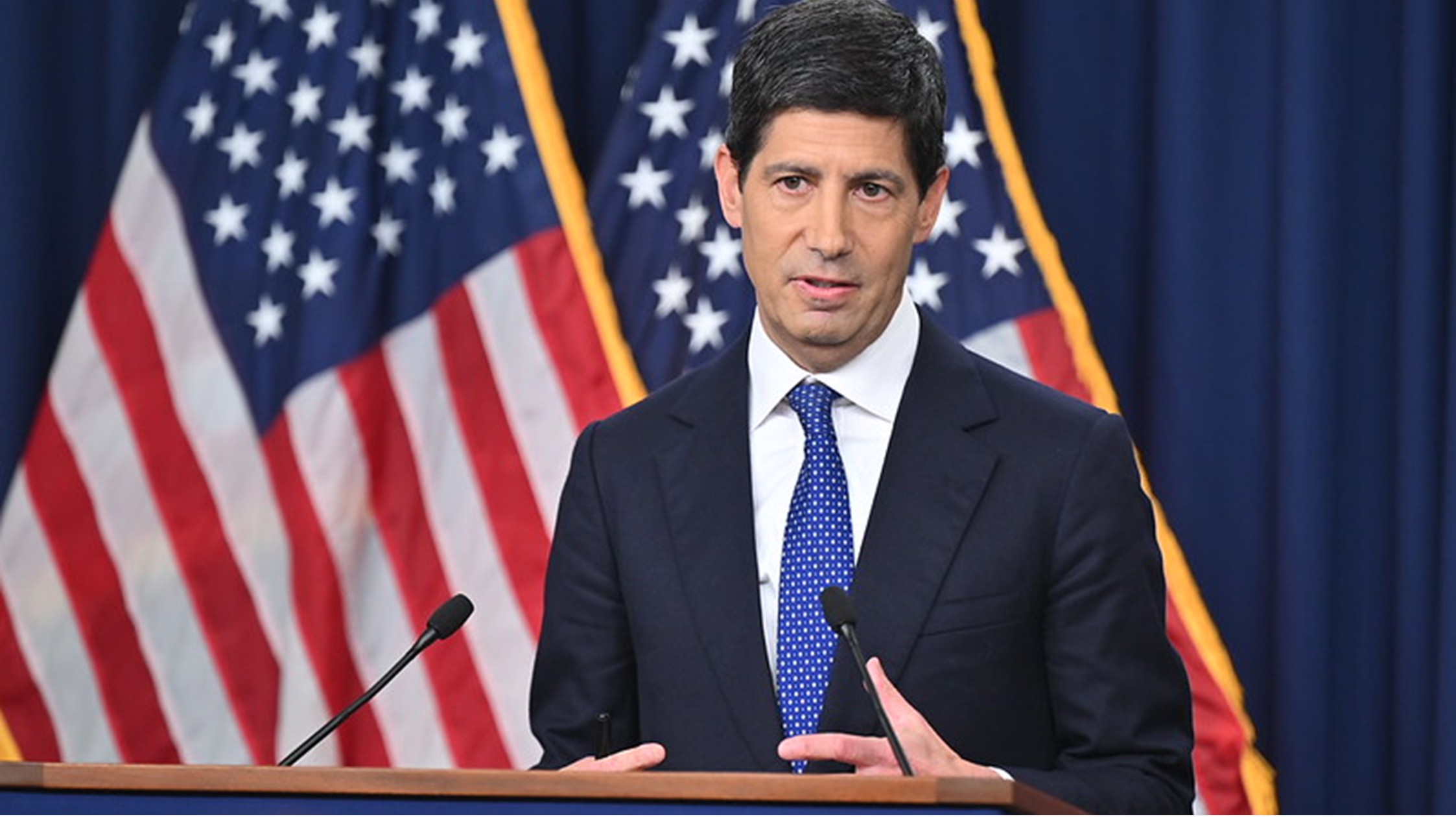
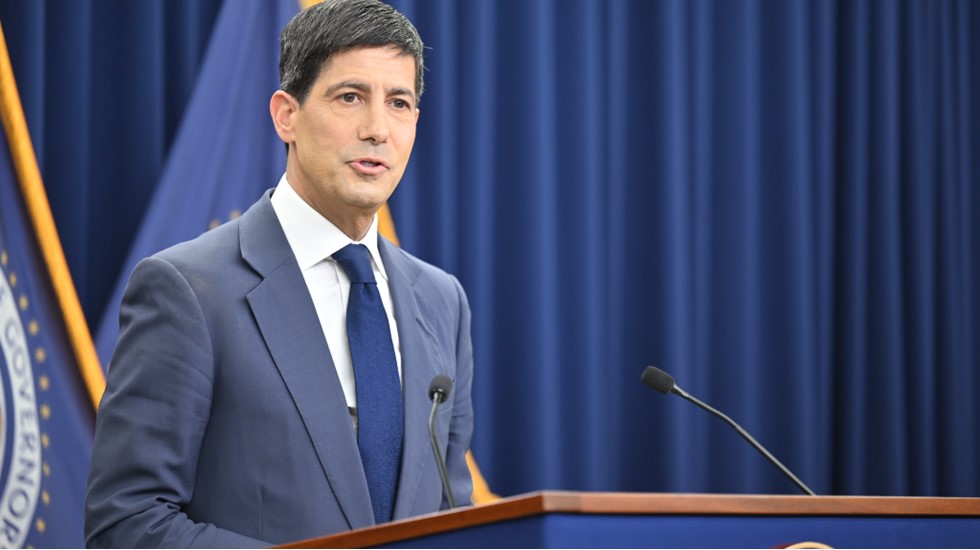
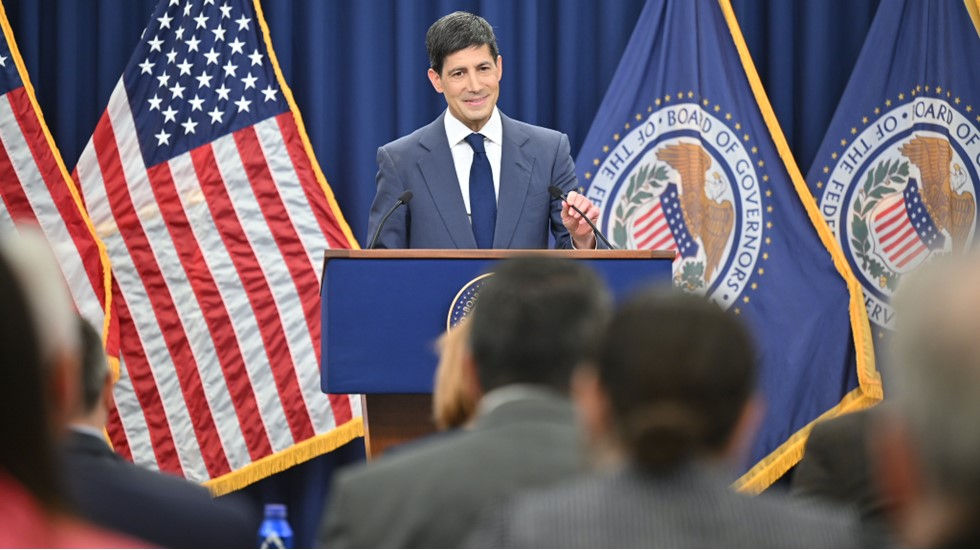
Dissents are not cast in a vacuum. Others around the table may have been willing to give the Chair a pass, while some hawks lacked a vote at this meeting. Chairman Kevin Warsh underscored that the two-day discussion focused on price stability, not the labor market – a modest move toward the forward guidance he has said he wants to avoid. He emphasized that we are not at price stability and is committed to getting the economy there.
The statement said inflation “remains elevated” and closed with a pledge that the Committee “will deliver price stability.” It also upgraded growth to a “strong pace” – up from “solid” in September – citing resilient domestic spending, strong productivity growth and robust capital investment. Warsh noted that unemployment has stayed below 4.5% longer than the record set in the 1960s.
The Fed has been unable to wrestle inflation down to its 2% target for more than five years, and the rebound in energy prices threatens another setback. Shocks have become the norm, not the exception. Cheap imports once held down prices; since the pandemic, repeated demand and supply shocks have pushed them ever higher.
Warsh said inflation expectations are well anchored. However, the repetition of shocks has become a drumbeat, like a song one cannot get out of their head. Firms and households are expecting the next shock before the last abates; that is the exact behavior that the Fed is tasked to avert. The level of prices is too high for too many. Energy increases loom large in our collective psychology.
The challenge is cooling demand and prices without damaging the labor market. The Fed thinks it can accomplish that. Color me skeptical.
The overwhelming majority of participants at September’s meeting forecast another hike by year-end. Warsh declined to submit a forecast; he would like to eliminate forward guidance altogether. He noted that inflation has been too high for too long and repeatedly underscored the Fed’s commitment to return to price stability.
Warsh announced changing how meetings are used. Starting next year, one meeting will not include a vote on policy. Instead, they will focus on larger monetary policy questions rather than the next move in interest rates. In 2028, it will be two meetings.
Those shifts could up the chance of an inter-meeting move or prompt the Fed to move more aggressively at any one meeting. The moral of the story is that the change in the voting cadence does not necessarily imply a change in the number of rate hikes or cuts in a year.
Brace for a hawkish lean.
Diane Swonk
KPMG Chief Economist
Bottom Line
The Fed stood pat, using September’s hike to buy time before moving again. December is live. Another hike is expected; it may also bring our last glimpse of the dot plot. Warsh wants less public communication. His colleagues have not gotten the memo: they are making their views heard, with or without a quarterly forecast. The blackout period ends on Friday morning; Warsh said that he expects his colleagues to convey their views. Brace for a hawkish lean to those comments. Markets have priced in three more rate hikes in 2027.
Explore more


Subscribe to insights from KPMG Economics
KPMG Economics distributes a wide selection of insight and analysis to help businesses make informed decisions.
Meet our team