Fed paces itself
September bought the Fed time, but inflation keeps the tightening bias intact.
October 22, 2026
The Federal Open Market Committee (FOMC) – the policy-setting arm of the Federal Reserve – is expected to leave its statement largely unchanged and hold the target range for the federal funds rate at 3.75%–4.00% when it concludes its October 28 meeting. The Fed raised rates by a quarter point in September. That move bought policymakers time to assess inflation, the labor market and financial conditions before raising rates again, which we expect in December.
Minutes from the September meeting showed that most participants expected another increase would likely be appropriate by year-end. The debate has shifted from whether the Fed may need to tighten again to when. October looks like a skip; December remains live.
The Fed is moving with caution as opposed to the conviction we saw in 2022. It does not want to risk a more consequential slowdown to derail a persistent but more subdued bout of inflation than we saw back then.
Chairman Kevin Warsh has successfully corralled support for an October pause among the Fed’s most senior leadership. Vice Chair Philip Jefferson and New York Fed President John Williams have signaled little urgency to raise rates at consecutive meetings. Williams acts as Vice Chairman of the FOMC. Even Governor Chris Waller, one of the stronger advocates of additional rate hikes, has said they do not need to occur at every meeting. That makes patience easier to defend as risk management rather than a retreat from the inflation fight.
The Fed’s most ardent voting hawks – Cleveland Fed President Beth Hammack, Dallas Fed President Lorie Logan and Minneapolis Fed President Neel Kashkari – dissented from the July hold in favor of a quarter-point hike, which the committee delivered unanimously in September. They remain worried that persistent inflation could become entrenched, but Hammack and Kashkari have emphasized incremental moves and flexibility, giving them room to support an October pause.
Logan is the greater dissent risk: She says rates need to rise at least another half percentage point, though tighter financial conditions could reduce the amount of additional tightening required. Markets, which are still worried about inflation, would not likely flinch much if Logan cast another dissenting vote. Our base case is a unanimous hold, with the risk of one hawkish dissent.
The most vocal nonvoting hawks among the regional presidents are Kansas City Fed President Jeff Schmid and St. Louis Fed President Alberto Musalem. Schmid argues that inflation is broad-based, policy is not restrictive and is favors more hikes to restore price stability. Musalem likewise says inflation remains elevated amid persistent demand and recurring supply shocks; he has argued that bringing inflation back to 2% in a “timely” manner will require more rate hikes. Most participants at the meeting expect to raise rates further.
The Fed still has work to do. Inflation remains above its 2% target and has proven persistent. The data going into December is likely to show hotter inflation, as the effects of diesel costs make their way into consumer prices. The loss of the buffers used to help blunt the initial blow of the conflict in the Middle East and damage to refineries are expected to keep energy prices elevated for a longer than anyone hoped even a month ago. However, even a plateau in energy prices would help to damping the upward pressure on inflation over time.
The wildcard for the Fed of the energy shock is whether the persistence of higher prices has a larger effect on psychology. We are not in a wage-price spiral like we were in the 1970s. However, firms and households are beginning to expect new price shocks before the last one retreats and are more likely to pass those costs along than in the past. That muscle memory is something the Fed is tasked to avert.
Service sector inflation has become another area of concern. Affluent households continue to spend with abandon, which is putting upward pressure on everything from hotel room rates to high-end restaurants. Financial institutions are moving upstream and building more high-end airline clubs to cater to more well-healed travelers.
Separately, aging demographics pushing up healthcare cost, along with curbs in immigration. Foreign-born workers make up a disproportionate share of workers in the care economy, notably for elder care. Cuts to Medicaid are limiting the ability of firms in the space to bid wages up, which has resulted in larger gaps in care. The care deficit is falling on the shoulders of workers, who are doing more unpaid care for elderly family members each week. The oldest of the baby boom turned 80 this year.
The rise in healthcare inflation is not something the Fed can directly address. Instead, it must reduce the costs of more interest-rate sensitive goods to offset the rise in costs outside of their reach. The last time healthcare was such a challenge was in the early 1980s. It remained a primary driver of inflation well into the 1990s.
Another wrinkle for the Fed is financial stability. The Fed wants to curb inflation without triggering problems in markets already contending with higher borrowing costs and elevated long-term yields. Quarter-point moves separated by pauses allow policymakers to tighten while testing for hidden fragilities.
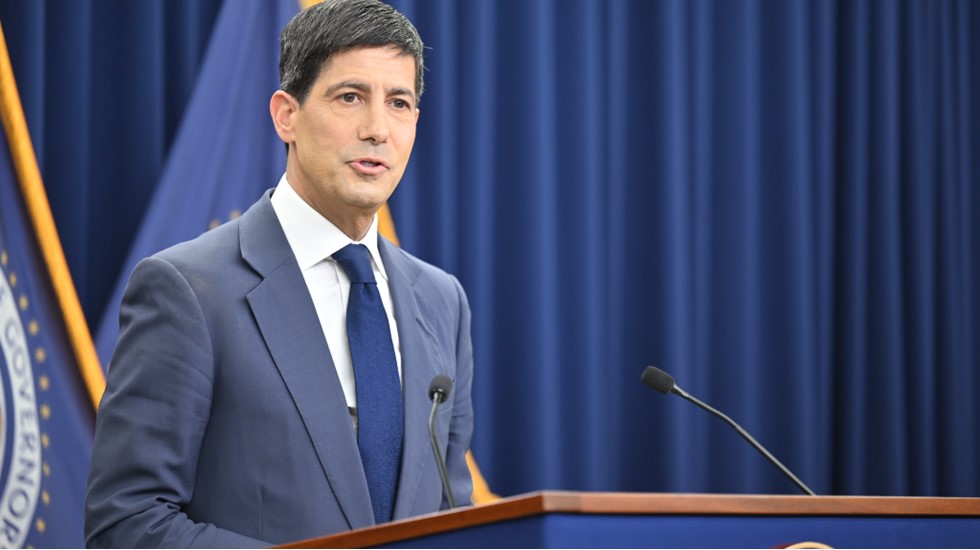
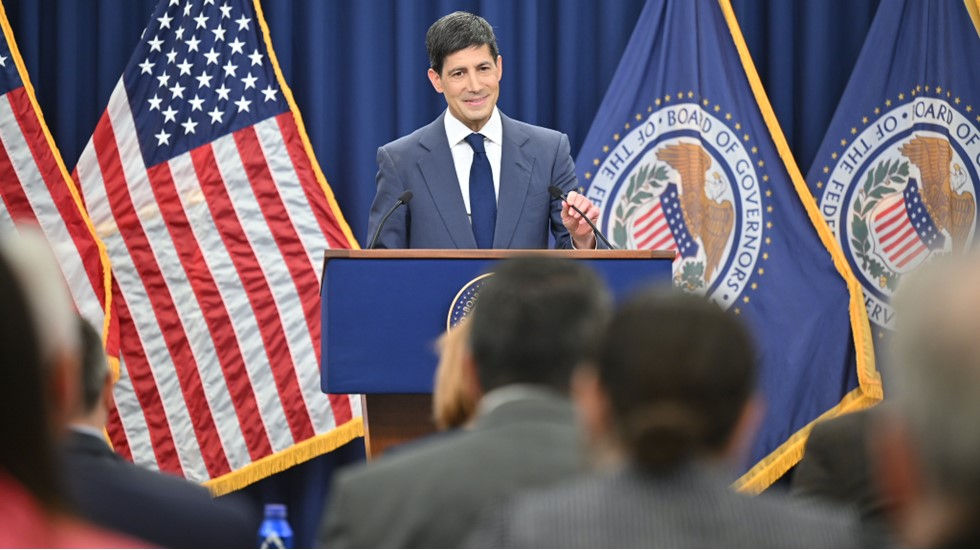
Chairman Kevin Warsh has already shortened the press conference. He will not provide insights into the nuance of debate around the table and is expected to dodge questions that the minutes to the meeting will reveal when they are released in November. His task will be to preserve optionality and keep the focus on price stability over the labor market for now.
We expect the Fed to hold rates steady in October while retaining a clear tightening bias, even though Warsh would like to keep the Fed’s thinking on policy closer to his vest. September bought time; it did not resolve the inflation problem. We expect the next hike in December.
The Fed is moving with caution instead of the conviction we saw in 2022.
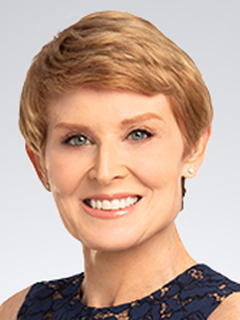
Diane Swonk
KPMG Chief Economist
Explore more


Subscribe to insights from KPMG Economics
KPMG Economics distributes a wide selection of insight and analysis to help businesses make informed decisions.
Meet our team