Aircraft orders boosted November durables
Data centers contributed.
January 26, 2026
November durable goods orders rose 5.3%, notching the largest increase in six months after declining 2.1% in October. The consensus expectation forecast a 4% rise. A jump in civilian aircraft orders contributed most of that strength. The underlying details associated with data center construction helped. Excluding transportation orders, durable goods orders rose only 0.5%.
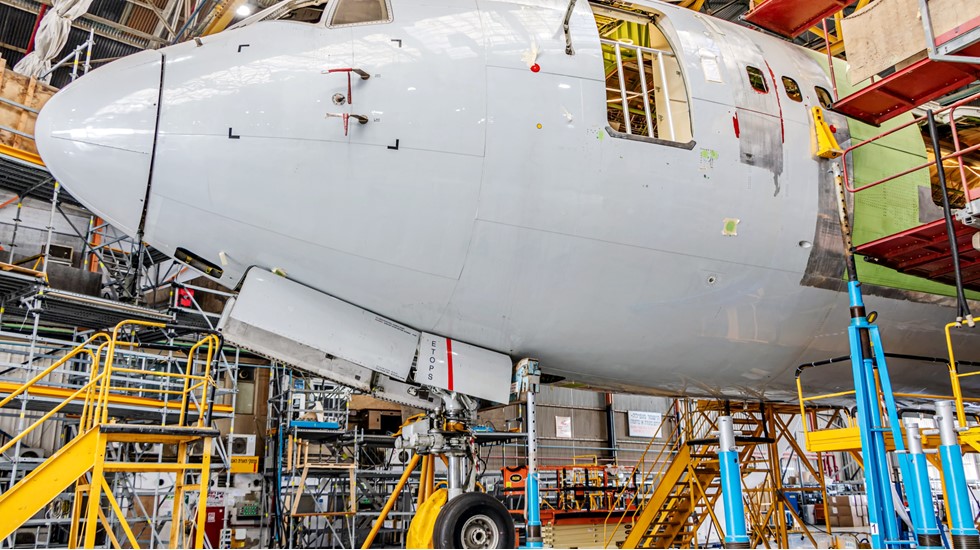
Transportation orders jumped 14.7% in November, boosted by a 98% jump in civilian aircraft orders. The largest American aircraft maker reported 164 new orders for planes in November from the 15 of October, boosted by 65 new orders from a major international customer at the Dubai air show.
Orders for motor vehicles and parts remained weak, falling 0.5% after slipping 0.1% in the prior month. Consumers bought ahead of tax credits for electric vehicles (EVs) lapsing, which dampened demand in the fourth quarter. Affordability is another issue for new vehicles; the level of prices soared in the wake of the pandemic, which pushed new vehicles out of the reach of many consumers who opted for used vehicles instead. Hybrid vehicles appear to be the big winners amongst consumers. Many are still suffering from what is known as range anxiety regarding EVs. The current bout of cold and storms blanketing the country is only adding to those anxieties; the cold reduces battery life.
The AI boom and data center construction remained strong. However, chip shortages are starting to appear which bids up the costs for a wide variety of electronics, machinery and appliances.
Orders for electrical equipment increased 1.7%, the second largest gain in 2025. Fabricated metals increased 1% after rising by 0.8% in the prior two months. Specialized steel and aluminum are used in server racks, floor panels and building components to manage thermal efficiency. Computers and electronic products orders added 0.2%, the same as the prior month.
Nondefense capital goods shipments excluding aircraft increased 0.4% in November following a 0.8% gain in October. Those numbers support our forecast for nonresidential fixed investment to rise 1.4% in the fourth quarter and GDP to increase around 3.5%.
A related measure, core orders, rose for a fifth straight month. That represents a proxy for capital spending and reflects business sentiment. Nondefense capital goods orders excluding aircraft jumped 0.7% after increasing 0.3% in October. The restoration of bonus depreciation in the recent tax and spending package, which allows 100% depreciation of new investments, is accruing mostly to the tech sector and companies building data centers. It has helped offset tariffs as well, which could open the door to more investment outside of data centers, although hurdles remain. Measures of economic policy uncertainty have come off their highs hit in April 2025 but are still elevated. Firms are more cautious in their investment plans when uncertainty is high.
The rise in core orders points to an improving outlook for capital spending.

Ken Kim
KPMG Senior Economist
Bottom Line
The rise in core orders points to an improving outlook for capital spending among manufacturers. Last year's interest rate cuts, the bonus depreciation and tax cuts for households are providing a modest tailwind after a slowdown over the summer. The extra money in consumers' pocketbooks could alleviate the drag from EVs and support orders for traditional vehicles. Additional interest rate cuts by the Federal Reserve in the second half of this year, expected to resume in June, are expected to provide continuing support to large manufacturers in 2026.
Subscribe to insights from KPMG Economics
KPMG Economics distributes a wide selection of insight and analysis to help businesses make informed decisions.
Explore more



Meet our team