Consumer debt rises along with price
Tax refunds should support spending.
May 8, 2026
Consumers added to debt loads in March. The amount of consumer credit outstanding jumped 5.8% at a seasonally adjusted annual rate; that is up from a 2.1% gain in February.
Adjusting for inflation, consumer credit actually contracted by 0.4%. The oil shock from the war in Iran pushed up the Consumer Price Index (CPI) by 0.9% in March. That means households took on more debt without gaining additional purchasing power.
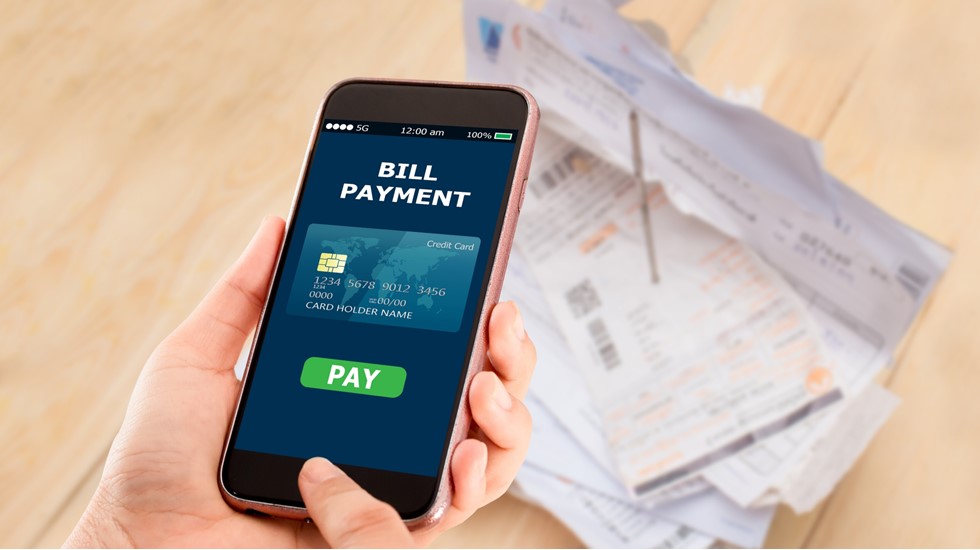
Revolving debt, consisting mostly of credit cards, surged 9.1%. That reverses weaker gains of 2% in January and 0.3% in February. Despite large tax refunds, consumers took on more credit card debt in the face of surging gasoline prices. That helped boost retail sales in March.
Nonrevolving debt, including car loans, student loans and personal loans, expanded by 4.7% annually, up from increases of 1.6% in January and 2.7% in February. Light vehicles sales rebounded in March. With student loan debt compounding, millions will likely face default in the months ahead.
With student loan debt compounding, millions will likely face default in the months ahead.

Matthew Nestler
KPMG Senior Economist
Bottom Line
Households took on more debt in March as prices rose. Large tax refunds should help support consumption in the second quarter. A few things to watch: the savings rate has fallen while delinquencies continue to climb; this weighs on lower-income and younger borrowers the most.
Subscribe to insights from KPMG Economics
KPMG Economics distributes a wide selection of insight and analysis to help businesses make informed decisions.
Explore more




Meet our team