Multifamily construction drove starts in January
Demand remains weak despite lower mortgage rates.
March 12, 2026
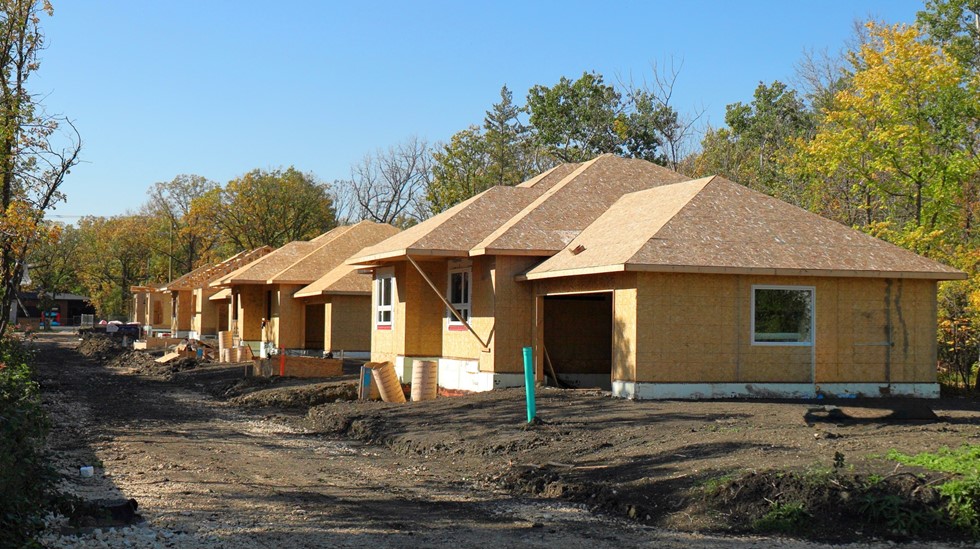
Housing starts, another name for new home construction, spiked 7.2% in January on significantly stronger multifamily construction. The Census Bureau is still catching up on releasing data that was held up due to the government shutdown.
Single-family housing starts slumped 2.8% in January; starts fell 6.5% compared to a year ago. The Midwest and West posted gains in single-family construction. Many parts of the country suffered from record-breaking cold weather in January, halting construction activity.
Mortgage rates hovered around 6.1% for most of January, down slightly from December. Much of the mortgage application activity came from refinancing applications; there are now more mortgage holders with an above-6% rate than a below-3% rate. Refinancing applications recently hit the highest levels since March 2022, right before the Federal Reserve started its rate hiking cycle. Applications to purchase a home increased too but not to anywhere near the levels we saw before 2022.
Multifamily starts soared 29.1% in January but the series tends to be volatile. Measured on a three-month moving average, starts jumped 14.1% as all regions saw a pickup except for the Midwest. Multifamily construction had been recovering after bottoming out in mid-2024 as builders worked their way through record backlogs. Rents are expected to rise in 2026 in regions where they had softened the most, after falling on a national level in 2025.
Separately, building permits dropped 5.4% on weaker single- and multifamily activity. Permits point to builders’ plans for construction. Multifamily permits for buildings with five units or more fell from a month ago but were 8.9% higher than year-ago levels, signaling more activity ahead. Single-family permits hit the lowest level since August of last year, reflecting the hurdles builders are facing in ramping up single-family construction even as mortgage rates are falling.
Home builder sentiment, as captured by the National Association of Home Builders, turned even more negative in January and February. Sentiment has been stuck in pessimistic territory for almost two years. Low foot traffic and poor sales expectations signal to builders that demand is not what it used to be. Many potential buyers remain sidelined by still-high mortgage rates and deteriorating affordability due to higher costs of insurance, taxes and utilities. Builders are facing margin pressures from higher costs of materials, labor and land. This restricts the size of the discounts they can offer to bring in buyers.
We do not expect residential investment to be a source of growth in 2026.

Yelena Maleyev
KPMG Senior Economist
Bottom Line:
Single-family construction is struggling under still-elevated mortgage rates, affordability pressures and builder margin constraints that limit how aggressively they can compete for buyers. Even as rates drift lower, demand has yet to respond meaningfully; purchase applications remain a shadow of pre-2022 levels. Affordability headwinds are keeping many would-be buyers sidelined. Multifamily is a bright spot. We do not expect residential investment to be a source of growth in 2026.
Explore more



Subscribe to insights from KPMG Economics
KPMG Economics distributes a wide selection of insight and analysis to help businesses make informed decisions.
Meet our team