Cloudy inflation data for December
The Fed’s inflation-fighting credibility is at stake.
January 13, 2026
The overall CPI rose by 0.3% in December, which held the year-over-year measure to 2.7%, the same as November. Shelter costs, which account for more than a third of the index, rebounded along with food costs. Hotel room rates soared 3.5% during the month but remain below levels a year ago. Leisure and hospitality is one of the few sectors that has soared in recent months, reflecting a loss in immigrant labor. Those losses are beginning to show up in monthly gains in inflation.
The consumer price index (CPI) survey was disrupted by the government shutdown. We lost the survey for October 2025 entirely, while the survey for November was compressed into the back half of the month. That is when Black Friday promotions dominate, which likely further suppressed our measures of inflation. The year-over-year measures were hardest hit by the disruptions, a problem that will linger until the methodology for shelter costs is updated in April.
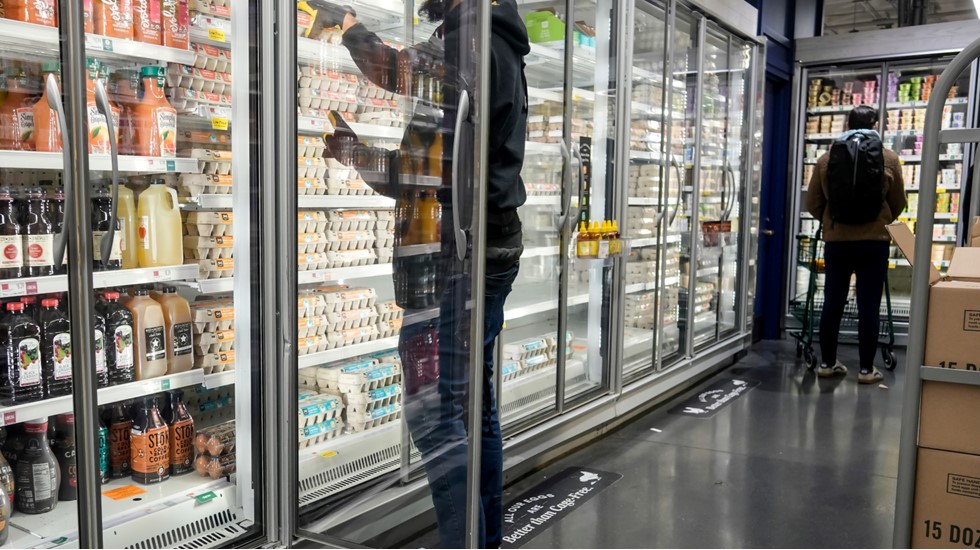
The administration lifted tariffs in recent months on food to attempt to lower costs at the grocery store, but gains were still up 2.4% from a year ago. The food index accelerated at its fastest monthly pace since August 2022. Food away from home jumped 0.7% at the fastest monthly pace since October 2022. Restaurants are adding tips as extra fees because many people have pulled back on tipping over the last year. Taxes on tips were lowered for those making less than $25,000 in tips each year.
Energy costs continued their upward march with a surge in natural gas offsetting a drop in prices at the gas pump and a sideways movement in electricity costs. However, electricity prices are still up at a double-digit pace from a year ago. Data centers are tapping natural gas to hold electricity costs in check.
The core CPI, which strips out food and energy, rose 0.2% in December and increased 2.6% on the year, the same as last month. Almost all of the softness in core CPI was due to a drop in used vehicle prices, which had been accelerating. They are poised to move higher again when record tax refunds hit consumers’ bank accounts.
The super core services measure, which removes shelter and energy services, rose 0.3% for December and 2.8% from a year ago. That is a slight acceleration from the 2.7% pace of November. Medical care costs jumped 0.4%, buoyed by a rise in hospital costs. Health insurance costs were flat; that will not hold. They were poised to surge at their fastest pace in 15 years at the start of the year. That is prior to Affordable Care Act subsidies lapsing, which will push health insurance costs up even faster for January. Most premiums are due at the start of the year. Airfares rose 5.2% during the month, the fastest since August.
Apparel costs gained 0.6% in December and jumped 1.8% for the three months since August. That is when the de minimis exemption for imported packages under $800 lapsed.
The offsets in the service industry were leased vehicles, motor vehicle rentals and repair costs, which all fell. Motor vehicle repairs spiked over the summer in response to tariffs but have moderated more recently.
The care economy showed fewer increases but remained buoyant relative to a year ago. In-home elder care is still up 10.7% from a year ago. Child and daycare prices moved sideways as well but still added 4.8% from a year ago. The care economy is more susceptible to worker shortages due to curbs on immigration, much like the ones affecting leisure and hospitality.
We tend to get the inflation we expect; consumers expect a lot more inflation this year than last year.
Diane Swonk
KPMG Chief Economist
Bottom Line
The Bureau of Labor Statistics (BLS) efforts to deal with the loss of October CPI data is suppressing overall inflation measures and likely understating inflation. That will persist into 2026. However, inflation remains well above the Fed’s 2% target for the personal consumption expenditure (PCE) index, which the CPI feeds into. The Federal Reserve has already made clear its intent to pause on rate cuts after the contentious cut in December. Recent efforts to influence the Fed’s decisions on interest rates will only harden that resolve. The Fed’s inflation-fighting credibility is at stake. We tend to get the inflation we expect; consumers expect a lot more inflation this year than last year. The only member pushing for additional rate cuts in January is likely to be Governor Stephan Miran, who returns to his post at the White House at the end of the month.
History is littered with examples of central banks that bowed to political pressure. The result boosted inflation and long-term interest rates, with no impact on growth. Inflation is among the most regressive taxes; it hits low- and middle-income households the hardest. We cannot sustain full employment without price stability. We are nearly five years into the post-pandemic inflation, which could stick due to fiscal stimulus.
Explore more



Subscribe to insights from KPMG Economics
KPMG Economics distributes a wide selection of insight and analysis to help businesses make informed decisions.
Meet our team