Consumers pump the brakes
Jury is out for holiday spending.
December 5, 2025
Personal disposable incomes rose 0.1% after rounding up and adjusting for inflation in September, a little bit less than we saw in August. Personal consumption expenditures were unchanged during the month after rising a downwardly revised 0.3% in August. The saving rate held at 4.7%, the same as last month.
Gains in personal income were driven by increases in wages and salaries and dividend and interest income. The gains in income from financial assets are one of the main reasons that confidence among those with large stock holdings has held up. Social security payments fell in September after rising rapidly earlier in the year. Younger baby boomers started to tap those benefits early in 2025 for fear of losing them later.
Spending on goods fell 0.4%, after rising 0.3% in August. Durable goods led the declines with vehicle sales falling after surging earlier in the summer. The average prices of vehicles crossed $50,000, a psychological threshold, in September while the interest rates on vehicle loans rose.
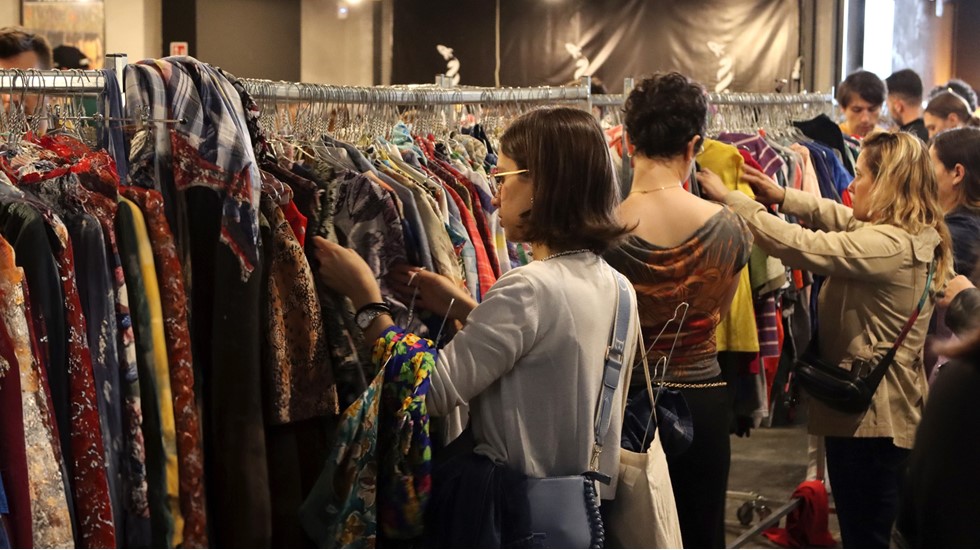
Nondurable goods fell 0.3%, after rising 0.5% in August. Apparel suffered the largest declines, weighed down by the bump in prices due to tariffs. Packages under $800 no longer fall under the de minimis clause, which allowed small packages to come into the country duty free.
The only increases in spending occurred in services, which rose 0.3%. The gains were broad-based from utilities to healthcare and personal care services.
The personal consumption expenditure (PCE) index, the Federal Reserve’s preferred inflation measure, rose 0.3% in September. That was the same as August and pushed prices up 2.8% from a year ago, the highest rate of PCE inflation since April 2024.
Gains were driven by increases in furniture and appliance prices, clothing and footwear and gasoline. Personal care products have accelerated. Vehicle prices edged up only slightly.
The producer price index revealed a sharp drop in vehicle margins over the summer, as producers attempted to absorb the bulk of the blow of tariffs without passing them along. However, things that were once considered standard are now add-ons to vehicles, which means they cost more.
The core PCE, which strips out food and energy costs, rose 0.2%. That translates to a 2.8% gain from a year ago, off one-tenth of a percent from the 2.9% we hit last month. Gains in transportation costs were offset by a cooling of shelter costs, apart from hotel room rates.
The core services PCE index rose 0.2% in September, after rising 0.3% in August. That translates to a 3.3% increase from a year ago, down from 3.4% in August. Airfares increased 3.5% during the month, the fastest pace since April 2022. Increases in childcare costs surged 1.7%, the fastest monthly pace since September 2022.
Those increases in service sector prices were dampened by cooling in the cost of legal and accounting services. Costs of financial services slowed as well.
The easing of credit conditions… are expected to combine with expansions to tax cuts…(and) boost spending in the first half of 2026.
Diane Swonk
KPMG Chief Economist
Bottom Line
Consumers hit the brakes on spending in September, while inflation continued to edge up. The Federal Reserve is expected to look through the increase in inflation and cut rates again on December 10th. The decision will be hotly debated and accompanied by dissents, likely in two directions; one governor is expected to dissent in favor of a more aggressive one-half percent cut, while at least one regional bank president will dissent in favor of standing pat at the last meeting of the year.
The jury on holiday season is still out. However, the late start to the official holiday shopping season suggests that most of it will occur in December, as we saw last year. The easing of credit conditions is expected to combine with expansions to tax cuts, which will show up as a record surge in tax refunds, to boost spending in the first half of 2026.
Subscribe to insights from KPMG Economics
KPMG Economics distributes a wide selection of insight and analysis to help businesses make informed decisions.
Explore more



Meet our team