The Fed retreats to the sidelines
Some of the damage to the economy is already underway.
May 5, 2025
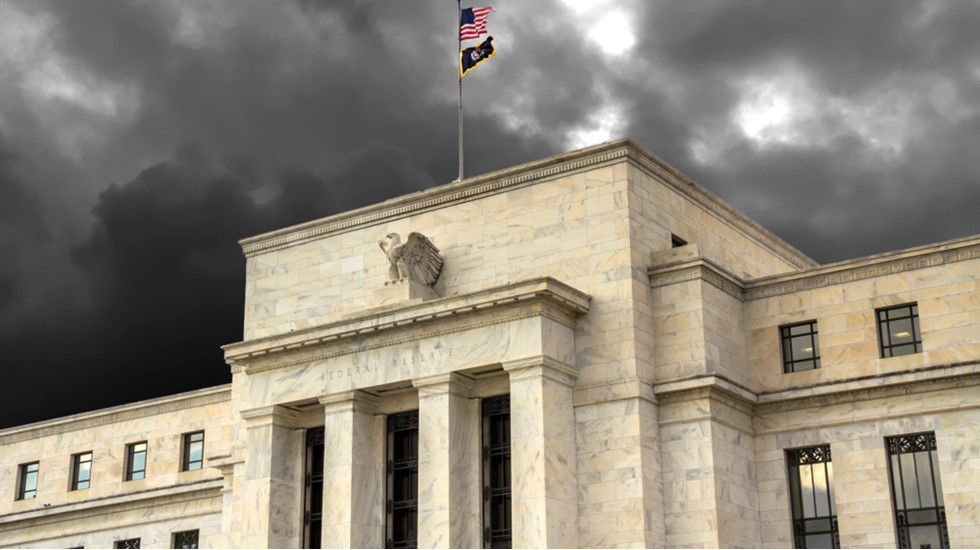
The Federal Open Market Committee (FOMC) – the policy setting arm of the Federal Reserve – is expected to vote unanimously to keep short-term interest rates at the current 4.25% to 4.5% target range during the May meeting this week. The statement following the meeting will focus on the underlying strength in consumer spending and investment instead of the solid pace of growth alone.
Tariffs pulled spending and investment activity ahead as firms stockpiled imports. The employment data remained solid, which the Fed will lean on. Inflation cooled in March but not as much after the upward revisions to January and February.
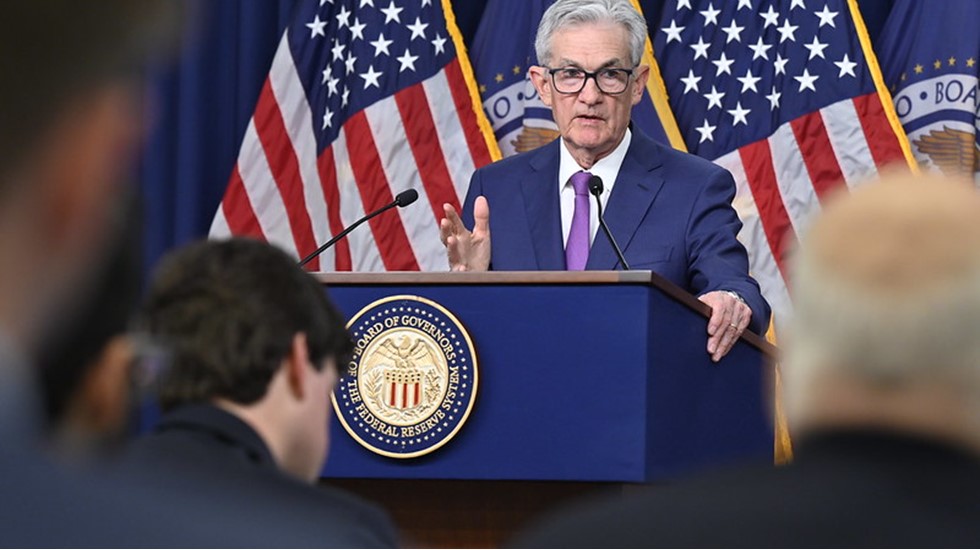
Fed Chairman Jay Powell will cite the uncertainty surrounding the effect tariffs have on inflation as a reason to wait. Powell has been clear that if push comes to shove, he will ensure inflation is tamed before cutting rates. That is true even if employment weakens in response to tariff-related disruptions.
The Fed is still smarting from being late in taming the pandemic inflation. The lessons of the 1970s loom. Political pressure to cut rates back then stoked a more pernicious bout of inflation. Any temporary gains in employment were quickly reversed due to a renewal of inflation. That mistake and those of central banks throughout history are ingrained in the institutional memory of the Fed.
Some of the damage to the economy is already underway. Shipments from China have come to a near standstill. That will disrupt production and cause shortages once current inventories have been depleted. That holds even if tariffs were eliminated tomorrow.
Uncertainty surrounding the competing goals of tariffs is another hurdle. When used as a negotiating tool, one would assume that tariffs are temporary. To raise revenues or promote onshoring, they need to be more permanent. Prohibitive tariffs stop trade entirely, which undermines their ability to generate revenues.
The fact that the administration is leveraging executive orders only further complicates the Fed ‘s calculations. Executive orders can be enacted or revoked with the stroke of a pen.
When used as a negotiating tool, one would assume that tariffs are temporary.
Diane Swonk
KPMG Chief Economist
Explore more
 Insight
Stubbornly high inflation and heightened uncertainty sideline Fed
Powell was clear that tariffs had influenced the forecasts for growth.
 Insight
KPMG Economics
A source for unbiased economic intelligence to help improve strategic decision-making.
 Insight
Black Swans flock: Recession risks rise
The jump in the effective tariff rate sharply increases the likelihood of a global recession.
Subscribe to insights from KPMG Economics
KPMG Economics distributes a wide selection of insight and analysis to help businesses make informed decisions.
Meet our team