Smaller deficit masks soaring AI imports
Gold blurs trade data.

November 4, 2026
The US trade deficit shrank by 0.7% in September to $105 billion, moving in the opposite direction of the advance trade data released last week. Imports increased 1.2%, while exports increased 1.9%. The trade deficit has expanded 12.2% year-over-year.
Gold muddied September’s trade data. The headline deficit narrowed on a balance-of-payments (GDP) basis even as the detail showed imports outpacing exports. The discrepancy reflects how gold is classified, which affected imports more than exports in September.
It is basically an accounting quirk. Gold that crosses the border but does not change owners shows up in the trade data but does not count for the balance of payments. Most months this doesn’t matter, but in September, gold exports moved and did not change ownership, which is unusual. This does not impact our reading of GDP, as the government statisticians remove most nonmonetary gold transactions when calculating net exports.
The largest change in trade during September occurred due to Section 338 tariffs that went into effect on a variety of Canadian goods. They took effect throughout the month, however, so it is unlikely to make a material difference on imports, which were ordered long before the tariffs came into effect.
Imports increased by $8.0 billion in September. By far the largest increase showed up in capital goods, which have dominated trade this year. That category added $11.6 billion alone.
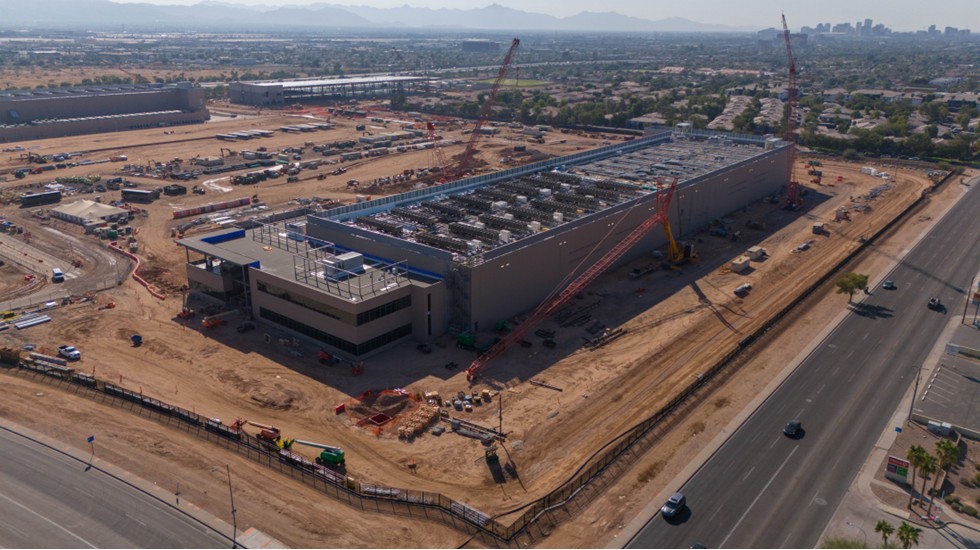
High-tech goods needed for the AI data center buildout were the key drivers. Computer imports increased by $7.6 billion as computer accessories rose $5.7 billion. We saw modest gains in telecommunications equipment, generators and other machinery.
Consumer goods imports gained strength to the tune of $2.4 billion. Pharmaceuticals accounted for all the gains, adding $2.9 billion. Trade in pharmaceuticals has been extremely volatile. Most categories in consumer goods outside of pharma declined, including cell phones, toys and furniture.
Imports of services increased $0.8 billion; $0.7 billion of that increase was US travel abroad with travel and transport services (note: this number does not adjust for inflation in airfares).
We recorded a $1.4 billion decline in imports of automotive vehicles, parts and engines, led by passenger cars and parts. Industrial supplies outside of nonmonetary gold fell by approximately $1 billion, mostly in crude oil and chemicals. Finally, imports of foods, feeds and beverages declined by $466 million.
Exports gained ground by $5 billion in September. Of that, $3.8 billion was capital goods; most was in computers, computer accessories and aircraft. Industrial supplies outside of gold increased on stronger exports of crude oil, natural gas and fuel oil. Exports of foods, feeds and beverages were strong, up $1.9 billion. Soybean purchases accounted for $1.3 billion.
Consumer goods exports increased $774 million, all pharmaceuticals. Exports of automotives fell $702 million and were broad-based across cars, trucks and car parts.
Deficits expanded most with countries from which we are importing high-tech equipment, including Taiwan, South Korea, Vietnam, Mexico, China and Japan. The deficit with Canada was essentially flat as tariffs came into effect. The trade deficit with the Euro area was muddied by the shift in gold trade.
The data center buildout will put a floor under imports and cause the trade deficit to further widen.

Meagan Schoenberger
KPMG Senior Economist
Bottom Line
No matter how we cut the data, the trade deficit expanded in the third quarter. The revisions based on the gold data will mean real GDP growth was even stronger than the preliminary estimate. Look for an upward revision to the 3.4% gain in the third quarter, which was already the strongest in a year.
The extraordinary strength in imports to support the data center buildout has kept imports soaring; computers and accessories are mostly foreign sourced. The data center buildout will put a floor under imports and cause the trade deficit to further widen well into 2027.
Explore more



Subscribe to insights from KPMG Economics
KPMG Economics distributes a wide selection of insight and analysis to help businesses make informed decisions.
Meet our team