Power and data centers bolster construction
Residential construction fades as nonresidential gains ground.
November 2, 2026
Construction spending fell 1.9% in September to a seasonally adjusted annual rate of $2.19 trillion while August spending was revised up. Spending is 2.7% below a year ago, the 14th consecutive month capturing an annual drop. The data are not adjusted for inflation.
Adjusted for costs, the decline is much steeper. Input prices for construction rose 2.1% in September and are up 11.7% from a year ago, the fastest pace in four years and more than triple the rate of consumer prices. Diesel is the biggest pressure point. It jumped 24% in September alone and has soared 115% from a year ago since the conflict in the Middle East reduced global supplies. Freight trucking costs have risen 19%, which matters in delivering material to a construction site.
Contractors are absorbing much of the pain. According to the Associated General Contractors of America (AGC), the prices contractors say they would charge to build new nonresidential structures rose 5.4% over the past year, less than half the increase in their input costs; they were flat in September. Many are locked into contracts that limit how much they can pass on.
Metals occupy the second front. Steel has jumped 28% from a year ago, copper has vaulted 30% while aluminum has popped 25%. Copper futures hit a new record. Structural steel for nonindustrial buildings has shot up 35%. Supply and price both impose constraints. Some steel fabricators have booked 100% of their capacity for 2027; lead times for transformers, switchgear and generators remain long.
Private residential construction plunged 5.5% in September and lost 8.9% on the year. The drop came mostly from fewer home improvements, which reversed a surge in August. Spending on new single-family homes was flat for September but off 2.4% from a year ago. Multifamily edged up 0.1% in the month but remained 0.2% below year-ago levels. Single-family starts and permits both fell; homebuilding is not expected to recover while mortgage rates remain elevated.
Private nonresidential spending rose 1.1% in September and is up 2.3% from a year ago. The gains are narrowing. Power construction represents the largest category of nonresidential. Power needs extend beyond data centers, which are one of several drivers of new capacity. Advanced manufacturing and the broader electrification of the economy are also pushing utilities to expand the grid. Private power spending rose 1.2% in September to $171.7 billion and is up 12% from a year ago. Manufacturing slipped 0.3% to $167.2 billion, but off sharply, 18%, from a year ago. Manufacturing held the top spot for years on the buildout of chip and battery plants. Utilities building capacity has taken the top spot.
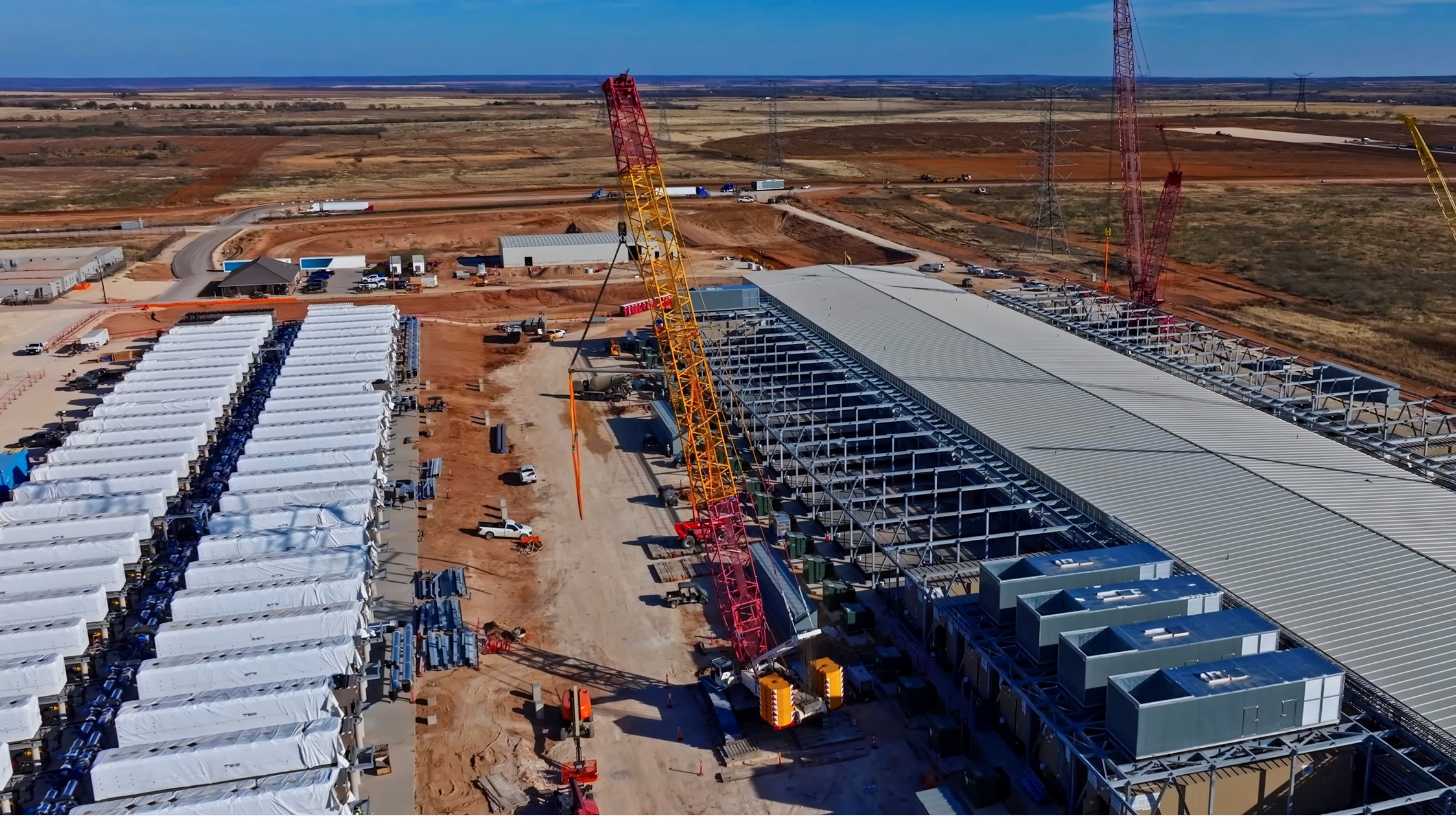
Data centers remain the structural growth driver. Spending reached a record $96.5 billion in September, up 8.6% for the month and a stunning 90% from a year ago. Data centers accounted for more than 90% of the monthly gain in private nonresidential construction and now make up 12% of the total. Office construction excluding data centers slipped 0.2% and fell 8.4% from a year ago. Data center construction forms the physical footprint of an AI buildout.
Strip out data centers and power, and private nonresidential construction is down 8.2% from a year ago. Together, the two account for a third of private nonresidential spending. The buildout projects are bidding for the same steel, electrical gear and skilled trades that every project needs, and it secures them first. Everything else waits longer and pays more.
Architecture billings, an indicator of future nonresidential construction, fell to a four-month low in September and contracted since March 2023, the longest stretch on record. Construction was the only service sector in the Institute for Supply Management survey to report falling new orders.
Public construction slipped 0.1% in September but has added 1.0% from a year ago. Highway and street construction, the largest public category, fell 0.3% but is still up 3.5% over the year. Educational construction was flat; it is down 1.4% from a year ago. Public power slipped 0.9% in September but the total is up 3.2% from a year ago.
Labor supplies are tight. According to AGC, the pool of job seekers with recent construction experience is down 11% from a year ago. Construction unemployment has run below the national rate for two years; electricians are the hardest to find. Our analysis of Quarterly Census of Employment and Wages data shows the same pattern: pay for building equipment contractors, electricians, plumbers and HVAC trades that data centers depend on most is rising faster than for the rest of the industry. The Federal Reserve's Beige Book reported data center projects pulling electricians and other skilled trades from rival projects.
Owners facing higher costs and higher borrowing rates are likely to delay, shrink or cancel projects.

Yelena Maleyev
KPMG Senior Economist
Bottom Line
Construction spending fell sharply in September and remains below year-ago levels. Apart from data center and power infrastructure, nonresidential construction is contracting while homebuilding stalls. Costs are rising far faster than what contractors can charge, which squeezes margins and makes new projects harder to plan. The Federal Reserve has begun raising rates. We expect two more rate hikes by early 2027. Owners facing higher costs and higher borrowing rates are likely to delay, shrink or cancel projects. Construction will remain a drag on overall growth.
Explore more




Subscribe to insights from KPMG Economics
KPMG Economics distributes a wide selection of insight and analysis to help businesses make informed decisions.
Meet our team