In a rapidly transforming world of work, organisations need to continuously evolve and adapt to the changing market dynamics for them to grow, transform and thrive. A key differentiator in driving exceptional business performance is to continuously re-shape and transform the workforce of the future.
Today’s HR function also has the potential to enable a profound transformation, challenged as never before to convert the potential of an organization’s people into financial performance and market value.
KPMG in India’s Human Capital Advisory team can help you unlock this potential and navigate transformational change across functions to drive superior levels of performance. The team can help you to develop strategies, structures, systems, processes as well as building capabilities to attract, develop, motivate and retain people to deliver on the strategic goals of your organisation.
Our solutions
As the world ushers in the digital world, it is imperative for organisations to think critically about how to evolve their workforce for the future. We can support you with redefining your purpose, culture, workplace strategy and with reshaping your workforce for better alignment with business goals.
Creating an efficient workforce structure is critical to execute the organisation’s strategic intent. We can support you with the design and implementation of structure, processes and supporting infrastructure, including governance, capabilities, systems, and values to enable you to achieve and sustain your organisational strategy and vision.
-
Organisation structure diagnostics and design
-
Zero-based workforce and workplace transformation (includes employee cost optimisation, future of work)
-
Strategic workforce shaping
-
Workforce segmentation
-
Role definitions and KPI design
-
Organisational effectiveness and future readiness.
Developing the right talent strategy for an organisation depends on a deep understanding of their unique needs and challenges. We can support you with developing talent strategy to enable you to identify, develop, engage, and retain talent which aligns to the current and future needs of your business.
-
Talent strategy
-
Talent risk assessment
-
Competency modelling and mapping
-
Assessment centers
-
Succession planning and career management
-
Capability development
-
Leadership development
-
Employee experience.
Intelligent analytics provides critical workforce insights you need to understand your workforce better. We can support you with the intelligence and insights to enable you to make enhancements to your human capital capacity at cost structures which aligns your organisation’s strategic needs.
Workforce Analytics
Total Rewards
- Compensation structuring
- Compensation and benefits benchmarking
- Job evaluation and job grade structure design
- Short term and long-term incentive plan design
To navigate an ever-changing world of work, it is imperative for organisations to build a future-ready HR function which can drive exceptional people performance. We can help you transform your HR function to one which is data-driven and emboldened by technology enabling you to be centric and enhance overall organisation productivity.
-
HR operating model
-
HR strategy and performance assessment
-
HR audit
-
HR service delivery model design
-
HR capability building
-
HR policies and process design
-
HR technology implementation support.
For any transformation programme, issues including inconsistent messaging, conflicting ideas and an unwillingness to change can act as an impediment to success. We can help you to realise the benefits of the transformation programme through a holistic, data-driven, proactive and structured change management approach that addresses talent risks and enables people to be ready, willing and able to accept the change.
In an age when business models are marked by expansion and disruption, mergers and acquisitions (M&A) have become central to the strategies of most global companies. We can support with harmonisation and integration support covering people, process, policy, and structure imperatives.
-
HR due diligence
-
Integration management
-
Culture integration
-
Divestiture support
-
HR harmonisation in acquisitions.
Our Differentiators



Our awards and recognition
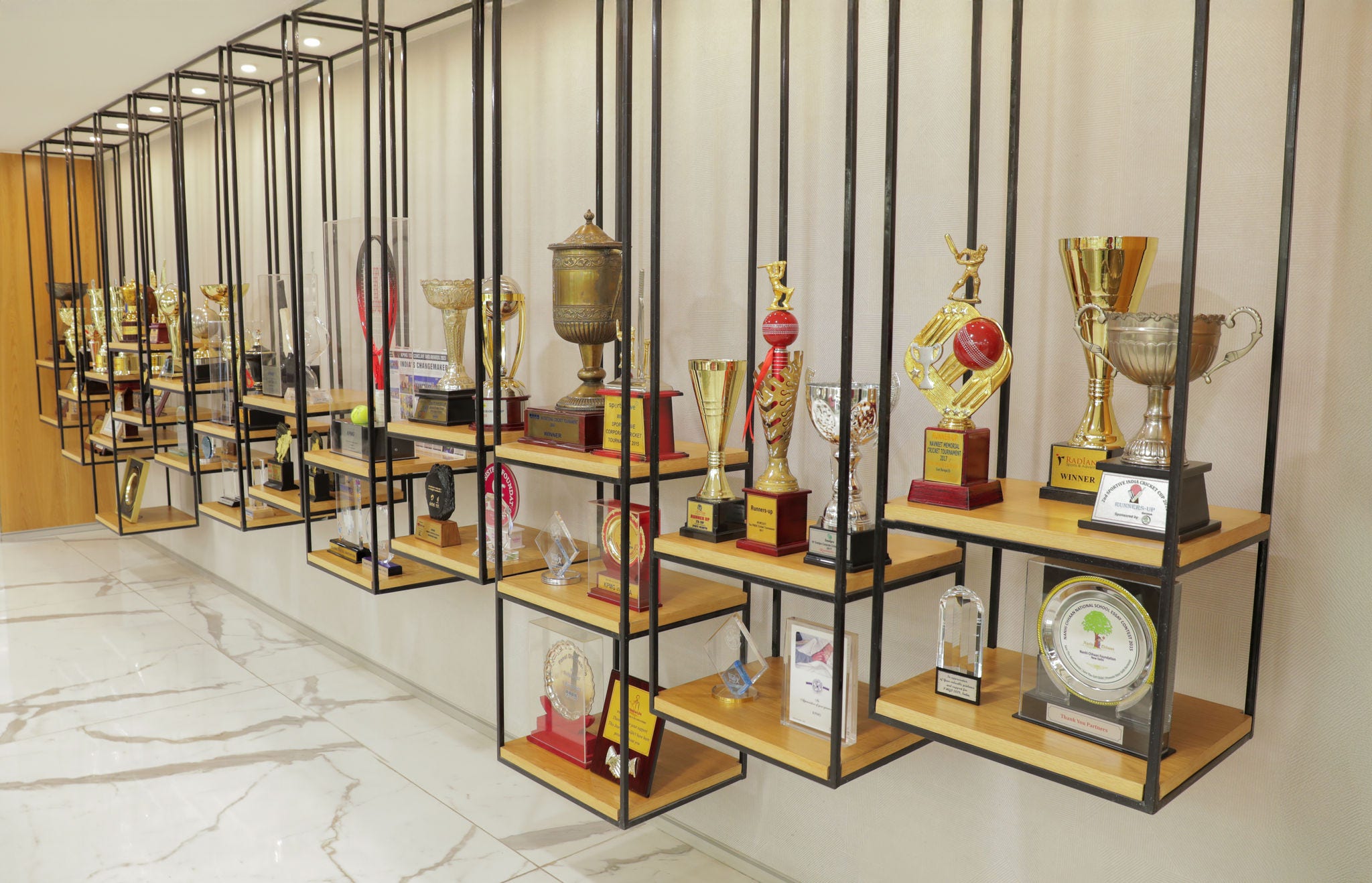
Steadfast dedication to delivering lasting value to our clients
Our accolades are a testament to our commitment to pioneering new technological horizons, applying insightful business strategies, and cultivating vibrant networks. Our recognition reflects our dedication to making a positive impact on our clients, our people, and our communities.
Driving growth with Human Capital Solutions trends
- India’s trillion-dollar manufacturing ambition requires a workforce productivity revolution
- ETHRWorld Annual Conclave 2026
- Reorganize or fall behind: The real race in the AI decade
- ET Now Leaders of tomorrow
- Future of HR in AI driven world
- Future Skills Conference 2026
- AIMA Foundation Day
- CII Future Works Summit
- New Labour Codes Redefine Wages and Benefits
- Historic labour reform: Four labour codes now effective
- Shaping India’s healthcare workforce for the digital era
- Smart tech with human touch – The future of HR with AI
- Sunit Sinha
- Sharad Maloo

Workforce productivity is India's most underleveraged growth lever. The next era of manufacturing competitiveness will not be won only by adding more people or assets, but by fundamentally redesigning how work gets done. Organisations that act now can unlock significant value, accelerate growth, strengthen profitability and help power the next chapter of India's manufacturing journey.

Many organisations continue to face a productivity illusion, where high levels of activity disguise underlying inefficiencies. Sustainable productivity gains will require businesses to simplify structures, strengthen frontline capability, codify critical knowledge and build workforce models that can adapt to changing business needs. Organisations that take a systematic approach to productivity transformation will be better positioned to improve performance and competitiveness.
- Sunit Sinha
- Maneesha Garg
- Sharad Maloo

Maneesha Garg
Partner & Head – Managed Services, Forensic, F&A, HR, Learning, Insight Led sales, Digital business operations and Sourcing
KPMG in India
- Shalini Pillay
- Sunit Sinha
- Arun Sharma

As organisations accelerate their AI journey, the ability to build future-ready talent and continuously evolve capabilities will be a key differentiator. India has a unique opportunity to strengthen its position as a global hub for innovation and talent by fostering stronger collaboration between industry, academia and the wider ecosystem. Organisations that invest in workforce readiness today will be better equipped to create long-term value in an AI-driven economy.
AI presents organisations with an opportunity to reimagine how work is structured, how talent is developed and how value is created. As enterprises move beyond experimentation, success will depend on their ability to build workforce readiness, redesign operating models and create capability systems that evolve with the pace of change. The organisations that act with clarity and intent today will be best positioned to lead in the AI decade.

The future of work will be defined by readiness, not just resources. Building deployable skills, fostering continuous learning and strengthening collaboration across industry, academia and government will be essential to creating a workforce that can thrive in an AI-driven economy.
For MSMEs, the real strength lies in scale, employing nearly 30% of the workforce. The challenge isn’t participation, it’s productivity. Skills remain foundational, but the pace of improvement is striking, unlocking stronger policy execution and long term growth potential.
- Sunit Sinha
- Sameer Salunke
The future of work will be shaped by organisations that balance technological innovation with human experience. AI can accelerate decision-making and improve efficiency, but lasting impact comes from empowering people with the right skills, insights, and support to adapt and succeed.

AI is changing how work gets done, but it is also changing what organisations expect from HR. Leaders need better workforce insights, employees expect simpler experiences, and businesses need skills that can evolve with changing priorities. Bringing those pieces together is where the next chapter of HR begins.

The future of work will belong to those who can combine AI fluency with human judgement, manage risk with confidence, and remain deeply focussed on the people they serve. Upskilling is not just about staying relevant, it is about creating greater impact.
- Yezdi Nagporewalla
- Sunit Sinha
- Shikha Kamboj

Gender-balanced leadership is a fundamental driver of organisational success. Yet performance reviews, promotion criteria, and leadership assessments often reflect long‑standing assumptions that can unintentionally shape outcomes for women.
The true test of commitment to DEI lies in how rigorously organisations examine and strengthen evaluation systems to eliminate these biases. As organisations mature, embedding transparent and auditable evaluation practices will not just enhance equity - it will also strengthen long‑term institutional trust and leadership credibility.
Shikha Kamboj
Partner, DT-Cyber Strategy and Govn
KPMG in India
Progress in women's leadership is rising, yet the gap between talent and access remains one of our greatest missed opportunities. Equity will not come from progress alone. It will come when institutions redesign the paths that hold women back and leaders choose to remove barriers with the same urgency that women show in breaking them.
- Arun Sharma
- Naveen Aggarwal
Execution muscle, resilience and adaptability are the key traits, which have powered MSMEs to deliver growth and contribution in Indian economy. For this segment to flourish further, the future leaders and teams in MSMEs surely need to double down on these while leveraging AI and tech enablers.

If India truly wants to become Viksit Bharat, MSMEs, which sit at the heart of our growth engine, must shift from labour‑intensive operations to capability-led AI powered enterprises. The next era of growth will be led by those which invest on talent and skills combined with the ability to adapt at speed. Ultimately, investing in people will define India’s future.

The new labour codes have overhauled how wages, gratuity, provident fund, pension and other social security benefits are calculated. Under the new codes, employers cannot restructure pay solely to reduce their liability. Permanent employees still need five years to be eligible for gratuity. But repeatedly renewed contracts with no break may not strictly qualify as fixed-term employment, pending clarification.
The Government of India had introduced transformational reforms to simplify and modernise labour laws by enacting the four Labour codes almost 5 years back. An impactful step in that direction has been taken by making it effective from today – 21 November 2025. This move rationalises 29 existing laws and aligns India’s labour ecosystem with global standards.
What are few key aspects?
- Mandatory appointment letters for all workers: promoting formal employment
- Universal social security coverage: including gig & platform workers
- Minimum wages for all: statutory right for every worker
- Mandatory for employer to provide timely wages
- Women empowerment: night shift allowed with safety measures
- ESIC coverage and benefits extended to PAN-India for establishments with employment strength of 10 employees
- Single registration & license: reducing compliance burden
- Free annual health check-ups: for specified workers above 40 years
These reforms empower workers, boost employment, and simplify compliance, paving the way for a future-ready workforce and resilient industries under Aatmanirbhar Bharat.

Forward-looking healthcare organisations are institutionalising digital learning through in-house academies, simulation labs, and collaborations with edtech partners and GCCs. The focus is on ‘learning in flow,’ helping clinicians and administrators gain digital confidence while on the job and seamlessly integrate technology into care workflows. Many organisations are now linking digital competency with career progression, signalling that digital readiness is a core part of healthcare excellence.
GenAI becomes a copilot, not an autopilot. In the context of HR, leaders and professionals should define the purpose and ethical boundaries of AI use (setting intent), critically assess AI-generated recommendations (validating outputs), and remain accountable for the final decisions and their impact on people and culture (owning outcomes).
Hear from the experts


Client testimonials
Client Testimonial – Kusum Healthcare
KPMG in India partnered with Kusum Healthcare to drive digital HR excellence - boosting efficiency, accuracy, and compliance. The results speak for themselves:
- 40% fewer manual taskz
- 30% faster recruitment turnaround
- Improved onboarding & hire experience, leading higher productivity
- 25% increase in employee satisfaction with reduced costs
Success stories and experiences of our valued clients

Discover narratives that highlight the challenges our clients faced, the services we provided, and the results they achieved. These case studies offer a detailed look into our collaborative process, demonstrating our commitment to understanding each client's unique needs and delivering customised services that drive success.
India Insights
Our insights is your gateway to thought leadership and in-depth reports. Explore our curated collection of valuable content, where we delve into complex business challenges, share industry trends, and provide actionable insights.