How our people work with their communities to deliver lasting impact. 

      Case study 1

      Leveraging technology to support local education

      China, India, Brazil, Japan

      Across the global organization, KPMG firms are committed to broadening educational opportunities for children and youth, especially in underserved and rural communities.

      In China, KPMG’s donation of retired laptops enabled the creation of ‘green IT classrooms’ in rural primary schools, improving digital literacy and supporting ongoing learning. The “Pad for Hope” initiative further expanded access by creating smart classrooms equipped with tablets and digital whiteboards, allowing students to participate in VR and AI courses and experience a modern digital learning environment.

      In India, KPMG collaborated with eVidyaloka to support the Teach Through Television (TTT) program, which delivers science and math lessons in local languages to students in grades 6–8 via regional TV channels. This approach reached over 242,000 unique viewers across five states, with 96 percent of students reporting improved understanding. The program bridges the gap for children without internet or smartphones, helping to ensure continuity of learning despite challenging circumstances.

      Meanwhile in Japan, KPMG sponsors the CEE Japan Economics Video Contest, encouraging students from elementary to high school to create short videos on economics. The contest, judged by employee volunteers, provides students – especially those from rural areas – unique opportunities to showcase their insights and participate in an award ceremony in Tokyo.

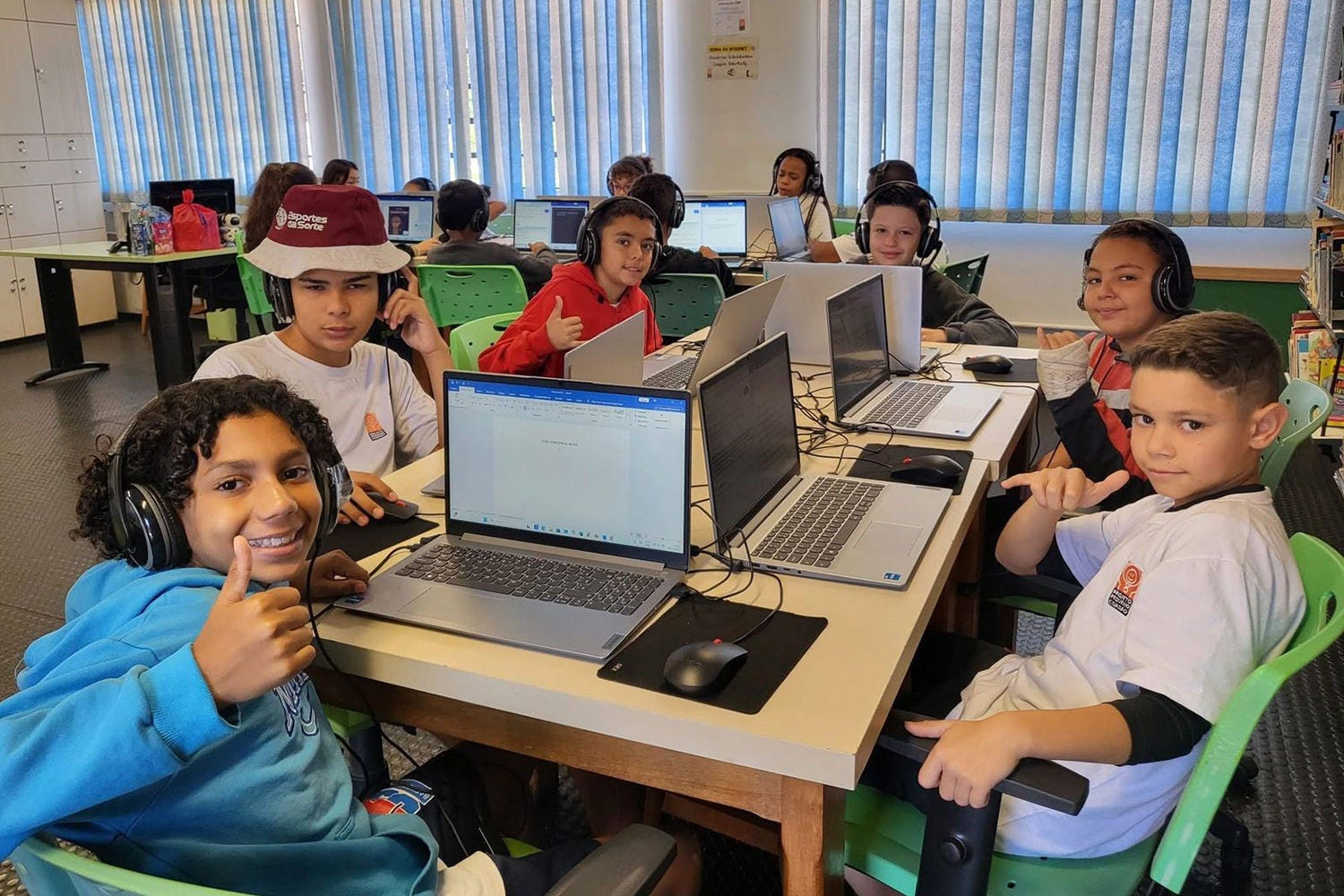
      Turning to South America, KPMG’s support for the Little Citizen project in Brazil includes donating laptops and promoting digital skills and robotics in collaboration with a local university. The initiative helps students develop foundational technology skills, expanding their educational horizons.

      Through these programs, KPMG firms are helping to remove barriers and expand access to quality education, empowering young learners to reach their full potential.


      Case study 2

      Accelerating youth opportunities through the UNESCO

      KPMG France secondment program

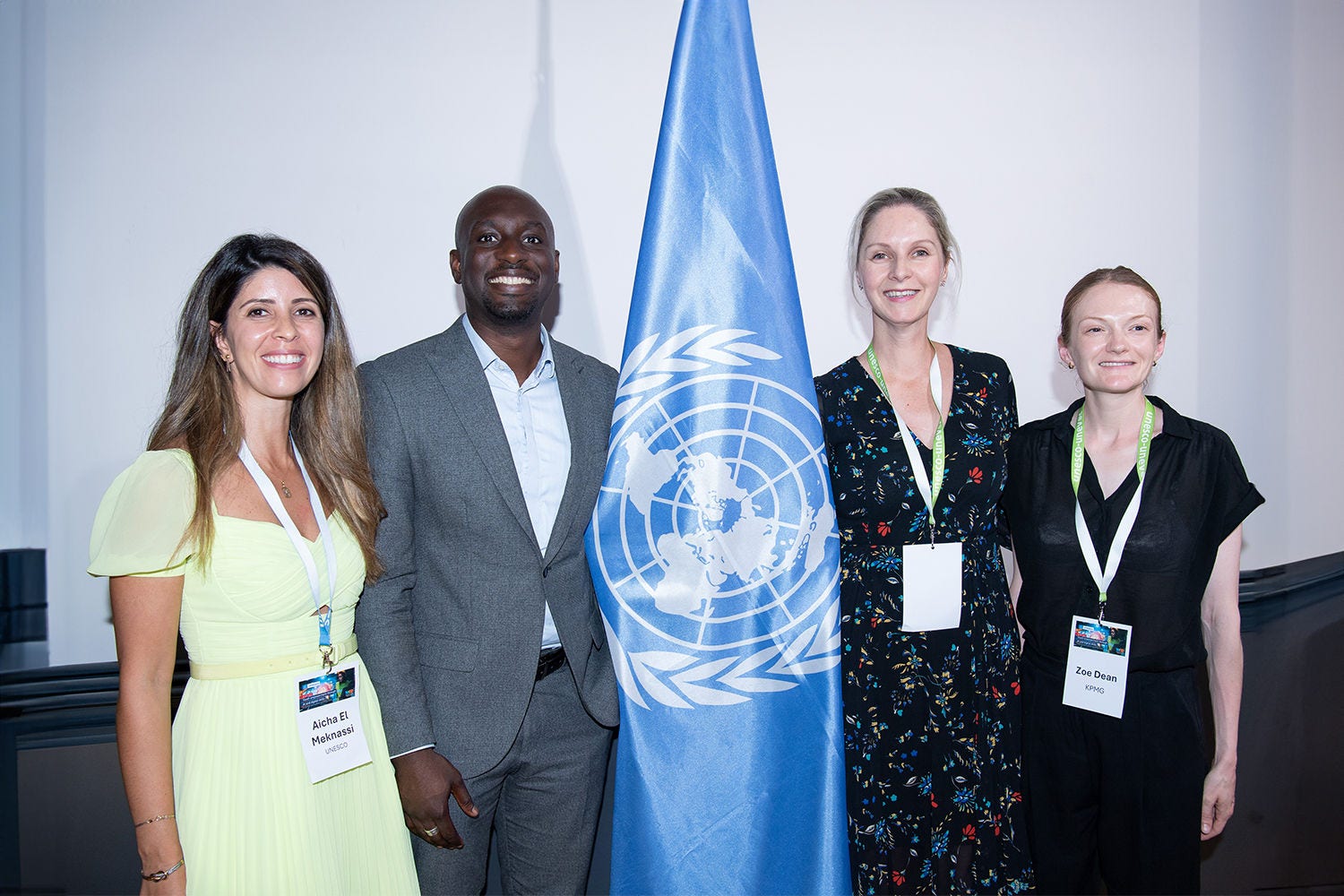
      Each year, KPMG France supports UNESCO by seconding a KPMG professional to deliver projects aligned with UNESCO’s global mission. In 2025, the secondee from KPMG France played a pivotal role in shaping a key initiative of UNESCO’s Global Skills Academy the Skills Commitment Dashboard.

      Over a twelve-month engagement, the secondee from KPMG France collaborated closely with UNESCO teams to help design, build, and launch the Skills Commitment Dashboard — an initiative designed to surface, connect, and scale programs that strengthen youth employability and resilience worldwide.

      The Skills Commitment Dashboard officially launched on 15 July 2025, World Youth Skills Day.

      By bringing together diverse actors and providing visibility of the range of youth skills programs, the Dashboard empowers organizations to take smarter, faster, and more coordinated action where it matters most.

      The secondee’s work extended beyond the Skills Commitment Dashboard development. Through active participation in multiple UNESCO workstreams, KPMG France contributed additional expertise, strengthened relationships, and supported UNESCO’s broader strategic objectives.

      The Skills Commitment Dashboard is designed not just as a repository of knowledge but as a dynamic hub for action, connecting partners, surfacing insights, and inviting young people to shape solutions that help make the labor market more inclusive and ready for the future.

      The ongoing collaboration between UNESCO and KPMG France stands as a testament to what is possible when expertise, purpose, and global collaboration come together to support young people worldwide.


      Case study 3

      Upskilling communities on AI

      Across the global organization, KPMG firms are advancing digital inclusion by investing in AI skilling initiatives, empowering people and communities to build the capabilities needed to thrive in a technology-driven world.

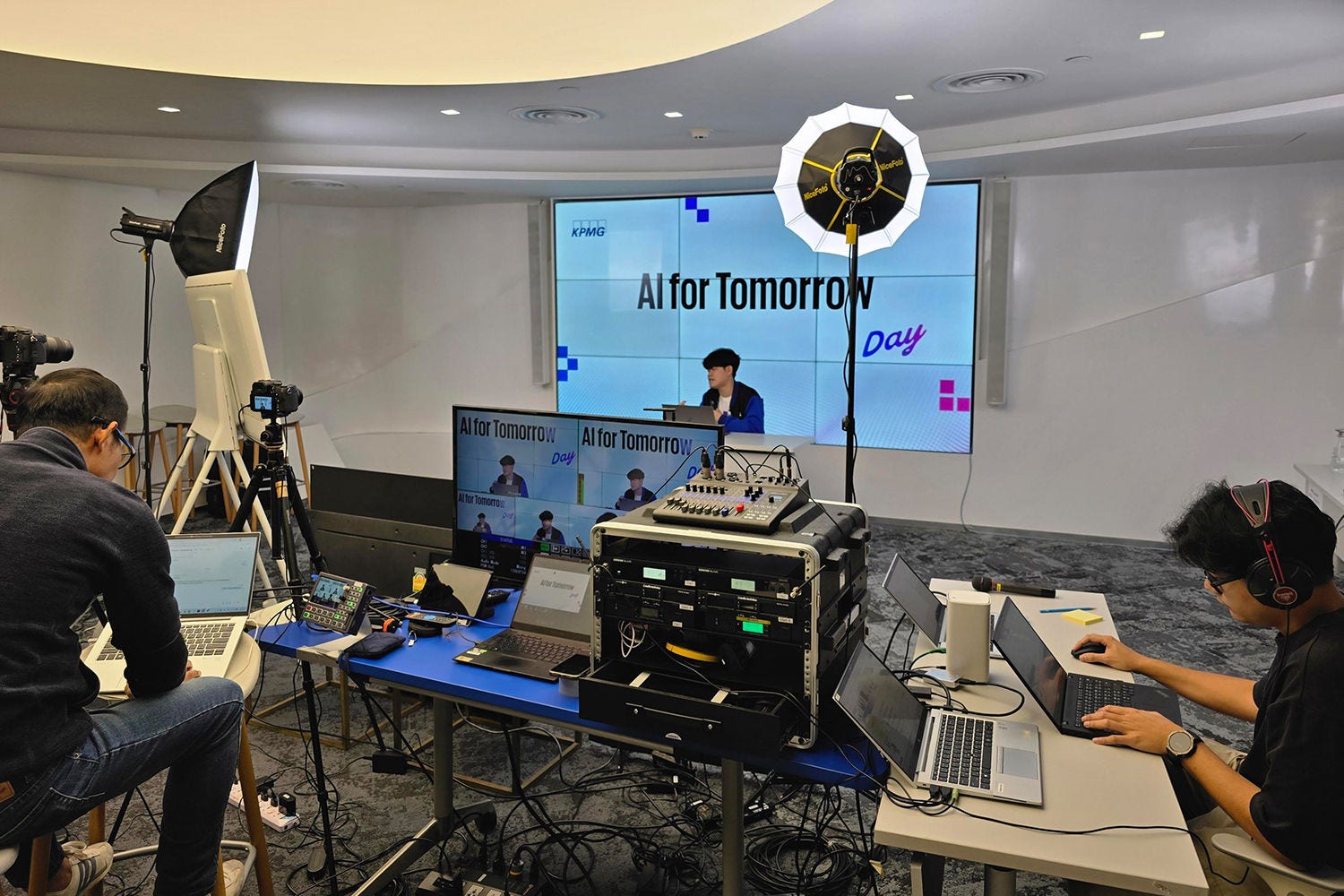
      In Asia, KPMG in Thailand hosted AI for tomorrow, a 1.5-hour online classroom for over 1,500 students and teachers from 37 schools. The program introduced AI fundamentals, focusing on safe, ethical, and practical applications to help youth prepare for the future.

      Meanwhile in India, AI Advantage month brought together volunteers and students from underserved communities. Over 54 sessions in 24 schools, more than 5,600 beneficiaries explored real-world AI use cases, supported by 80+ volunteers contributing 229 hours. Customized materials and engaging videos made learning accessible and relevant.

      In Africa, KPMG in Ghana delivered public and corporate workshops on Leveraging AI for impact. The team collaborated with the UNDP to train more than 150 micro small and medium enterprise and government officials, supporting Ghana’s Advancing AI-enabled Public Services initiative.

      Looking west, the AI Impact Initiative in the US helps more than 100 nonprofits enhance their positive impact through AI impact learning sessions, community building, and pro bono support. By connecting expertise, technology, and people, KPMG US helps ensure innovation is applied inclusively and responsibly.

      Completing the picture, KPMG Bermuda piloted AI Advantage in high schools in Bermuda, challenging students to brainstorm ways AI could improve their school environment. The initiative culminated in 10 student presentations by 40 students at the KPMG local office, with enthusiastic feedback and plans to expand the program.

      Each AI skilling program is designed to address local needs and create meaningful opportunities for learning and growth. By fostering digital literacy and responsible innovation, these KPMG firms are helping communities unlock the potential of AI – putting our Values into action to make a difference where we work and live.


      Case study 4

      KPMG Global Cyber Day

      Promoting cybersecurity and digital responsibility worldwide

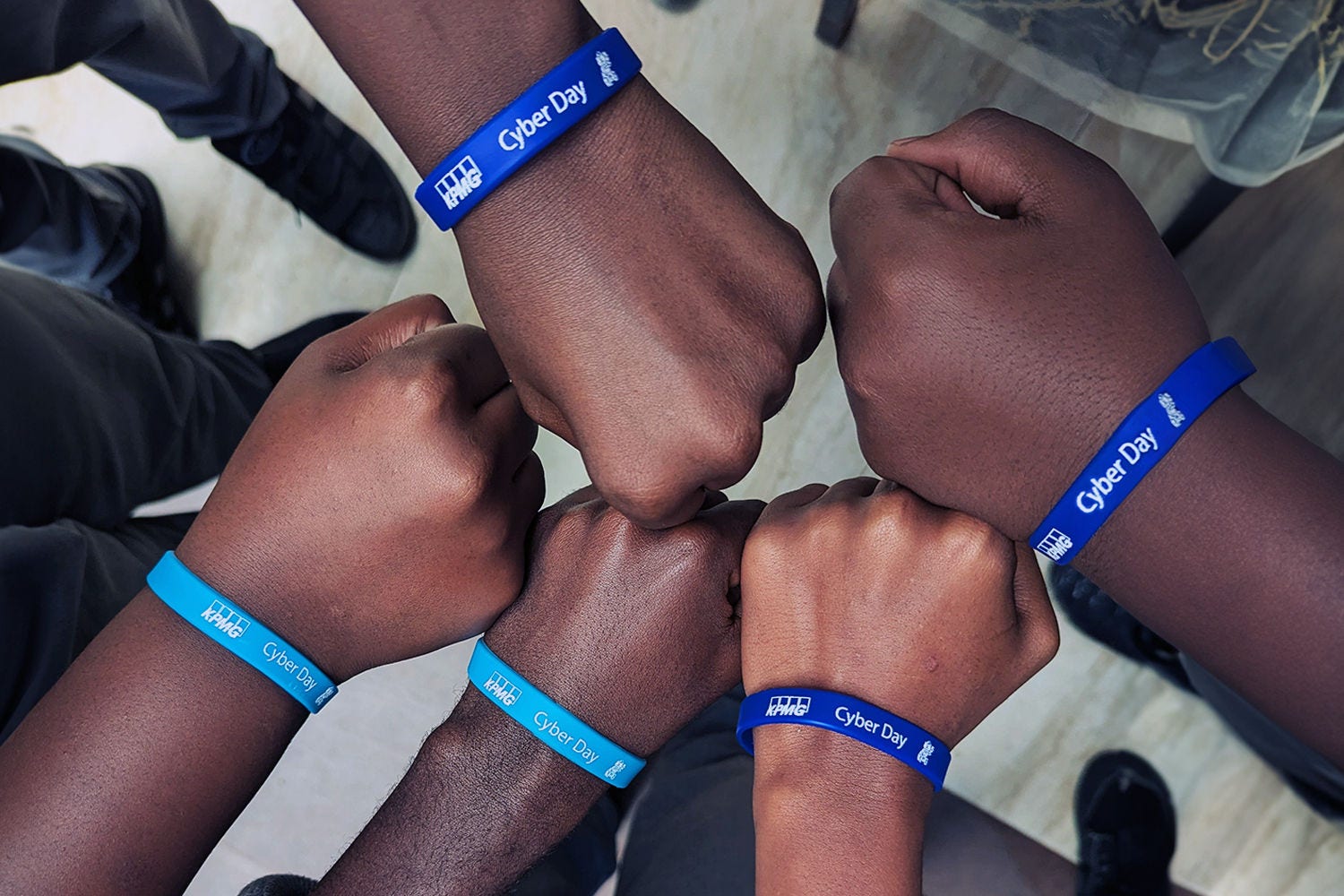
      KPMG firms are helping young people and communities navigate an increasingly digital world by raising awareness of cyber risks and promoting responsible online behavior. Since 2017, KPMG’s Global Cyber Day has taught digital and information security awareness to more than 950,000 young people worldwide, helping global communities become cyber smart. 

      In 2025, more than 60 KPMG firms participated in the campaign around the world, reaching more than 150,000 young people. 

      From a scale and reach perspective, a notable highlight was KPMG in India engaging more than over 100,000 students. This was delivered through more than 600 sessions, the majority held in person, with around half delivered in regional languages to support inclusivity and accessibility.

      Other initiatives adopted a more targeted approach, including in Mongolia, where KPMG professionals delivered cyber safety presentations at selected schools and university campuses, engaging both young students and faculty members.

      Meanwhile, in Kenya and across East Africa, KPMG professionals reached over 1,200 students through interactive training sessions in schools and online, empowering children to recognize and respond to online risks.

      A good example in the Americas is KPMG in Mexico, a participant in KPMG Global Cyber Day since 2019, which has reached more than 5,000 children and young people through talks and activities delivered by dedicated volunteers. This year, sessions addressed topics including safe technology use, social networks, and cyberbullying, with materials aligned to international best practices.

      KPMG firms in Europe were also active champions of KPMG Global Cyber Day, including in Germany where initiatives developed in collaboration with local community organizations were tailored to the needs of students from year 7 upwards, ensuring age-appropriate content and real-world relevance, and in Ukraine where sessions engaged more than 45,000 viewers.

      Through these diverse initiatives, KPMG firms are helping to equip the next generation with the knowledge and skills needed to stay safe online and use technology responsibly.

      “The cyber security awareness training gave us practical tools and confidence to safeguard our digital presence and online business. As women entrepreneurs, we now feel empowered to grow our ventures without fear of cyber threats." Beneficiary of Vocational Skills Development Center, supported by KPMG in India


      How we make the difference for our people, planet and communities

      Our people are creating a workplace where everyone can thrive

      Our people are helping to build a more sustainable world

      Our people live Our Values and help to build and maintain trust