Eliminating all avoidable waste from our operations by 2030
We’re committed to reducing the environmental impact of our offices by avoiding and, where possible, eliminating the volume of materials wasted.
We define zero waste as designing and managing products and processes to systematically avoid and eliminate the volume of waste and materials, conserve and recover all resources and to not burn or bury them.

Our action behind the scenes
As part of our commitment to reducing waste and promoting circular practices, we have implemented a range of initiatives that focus on re-use, redistribution, and sustainable sourcing.
These efforts not only help minimise landfill waste but also support local communities and encourage responsible consumption.

Building finishes and furniture
We re-use and repurpose our existing building finishes and furniture by donating items that are no longer needed to charities or to people who need them. This has included:
Donating hand basins and mirrors to charities and individuals in need
Donating carpets to local associations to help them fundraise
Donating wood flooring to small businesses to assist in their opening
Redistributing furniture across our estate and, where possible, re-upholstering furniture for re-use
We also assess the sustainability of new furniture and materials purchased, for example:
We have purchased items that are fully compostable at end of life
We use suppliers who use innovative materials and create furniture out of waste products such as wood, mushrooms, coffee, and mixed recycled plastics
We monitor our carbon footprint associated with all our key contractors
Packaging and single use items
We’ve made significant strides toward achieving our zero waste goal by implementing targeted waste reduction initiatives:
Using crockery and metal cutlery in our catering outlets. With the exception of pre-packaged food items, we are now disposable-free in the catering outlets of all offices, building on our work to remove thousands of single use items from our waste streams.
Removing disposable cups from our water dispensing machines (and issuing a reusable bottle to all colleagues), eliminating approximately 6 million disposable cups.
Working with suppliers to identify ways of eliminating waste packaging from entering our offices. For example, minimising the packaging from new laptops and reusing it for the return of old laptops.
Waste segregation
We also continue to improve the segregation of waste across our estate, including:
Segregating general waste and food waste across all offices by providing dedicated food waste bins, specialised recycling for crisp packets and confectionery wrappers, and collection points for paper coffee cups brought in from external coffee shops.
Promoting waste segregation practices to employees through videos/posters and clear signage to ensure everyone understands how to properly separate waste, supporting higher recycling rates and overall waste reduction.
Installing general waste compactors to reduce volume and carbon footprint.
Building finishes and furniture
We re-use and repurpose our existing building finishes and furniture by donating items that are no longer needed to charities or to people who need them. This has included:
Donating hand basins and mirrors to charities and individuals in need
Donating carpets to local associations to help them fundraise
Donating wood flooring to small businesses to assist in their opening
Redistributing furniture across our estate and, where possible, re-upholstering furniture for re-use
We also assess the sustainability of new furniture and materials purchased, for example:
We have purchased items that are fully compostable at end of life
We use suppliers who use innovative materials and create furniture out of waste products such as wood, mushrooms, coffee, and mixed recycled plastics
We monitor our carbon footprint associated with all our key contractors
Packaging and single use items
We’ve made significant strides toward achieving our zero waste goal by implementing targeted waste reduction initiatives:
Using crockery and metal cutlery in our catering outlets. With the exception of pre-packaged food items, we are now disposable-free in the catering outlets of all offices, building on our work to remove thousands of single use items from our waste streams.
Removing disposable cups from our water dispensing machines (and issuing a reusable bottle to all colleagues), eliminating approximately 6 million disposable cups.
Working with suppliers to identify ways of eliminating waste packaging from entering our offices. For example, minimising the packaging from new laptops and reusing it for the return of old laptops.
Waste segregation
We also continue to improve the segregation of waste across our estate, including:
Segregating general waste and food waste across all offices by providing dedicated food waste bins, specialised recycling for crisp packets and confectionery wrappers, and collection points for paper coffee cups brought in from external coffee shops.
Promoting waste segregation practices to employees through videos/posters and clear signage to ensure everyone understands how to properly separate waste, supporting higher recycling rates and overall waste reduction.
Installing general waste compactors to reduce volume and carbon footprint.
Food waste
Our partnership with Felix
Since October 2024, we’ve been supporting Felix, as the firm’s National Charity Partner, through fundraising, volunteering, pro bono and wider support.
Felix is the UK’s largest charity tackling the environmental problem of food waste for social good. They save food which would otherwise go to waste and redistribute it to local communities through a network of 35 regional sites across the UK.
Felix provides surplus food to over 8,000 charities and community groups, who transform this food into parcels and meals to feed nearly 1 million people.
We’re really proud that in the first year alone, we have provided £748,232 worth of support for Felix, including £481,392 in fundraising and donations (enough to provide 2.3 million meals for those who need them most), as well £266,840 worth of pro bono.
Reducing food waste in our offices
Reducing food waste across our offices has always been a priority, with our chefs coming up with innovative recipes to use edible food that may have otherwise been thrown away. For example, they use surplus vegetables in cakes, used coffee grounds in brownies and serve ‘zero waste’ dishes in our staff restaurants using ingredients which were due to expire.
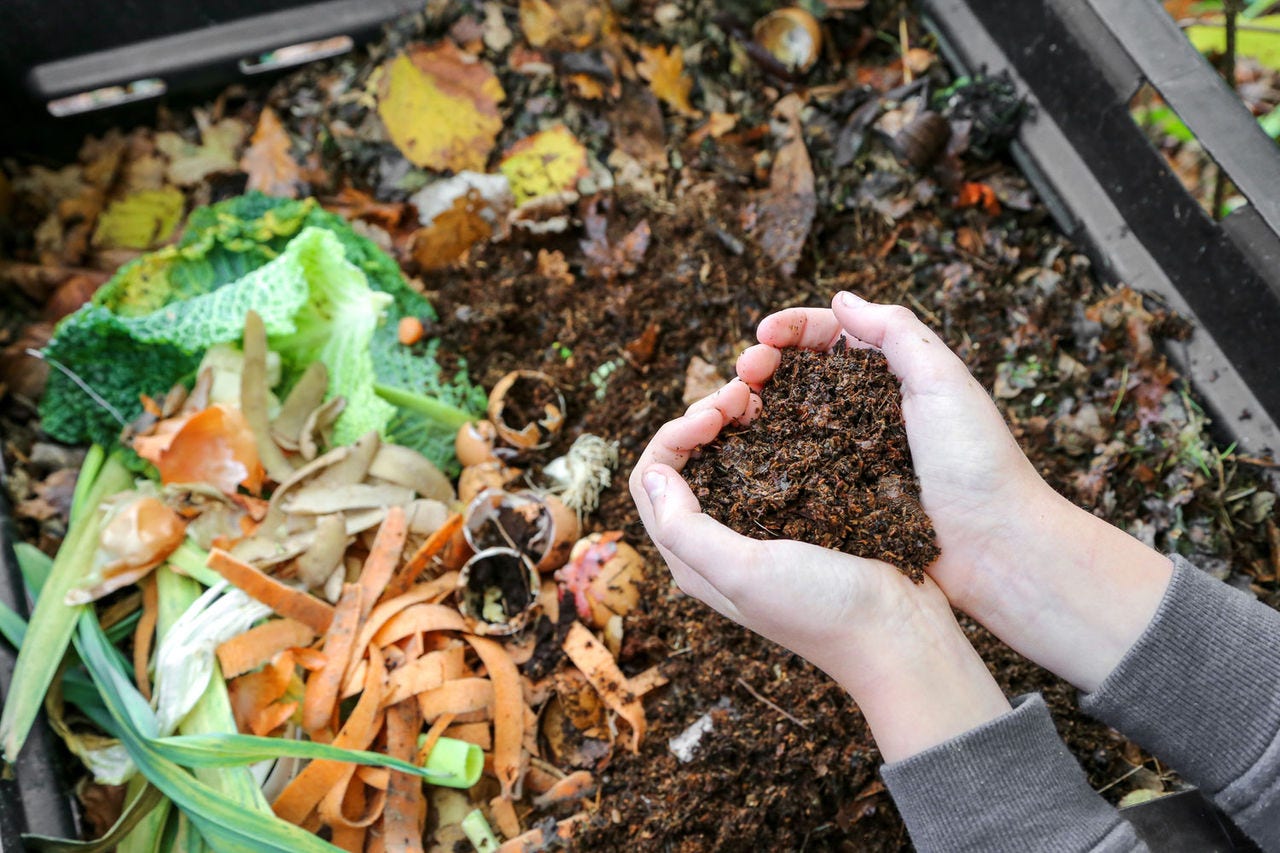
We have two on-site bio processing machines - or high-speed composters - to treat our food waste at our Leeds and Canada Square offices. The system uses naturally occurring microbes to break the food waste. Since installation in FY23, these machines have reduced the food waste volumes input across both sites by 85% (92 tonnes in versus 13 tonnes out), thereby requiring fewer collections and associated vehicle journeys.
We’re converting our waste cooking oil into biodiesel. We’ve also removed all unsustainable palm oil and stopped using any air freighted products in our catering outlets.
Collaborating to reduce food waste
A huge amount of perfectly edible food is wasted every year – 6.0 million tonnes in 2022 according to a study by the sustainability charity WRAP.1 We’ve teamed up with Waste Knot, an organisation who give farms a route to market for their ‘wonky’ fruit and vegetables. Our catering outlets in our Canada Square office have used wonky vegetables that would have otherwise been wasted.
Since August 2021, we’ve been working with Olio, a charity that helps redistribute meals. In that time, over 12,000 meals have been supplied to local families, with over 5,000kg of edible food donated. It has proven so successful that we are actively working with our caterer and Olio to identify other opportunities across our various office locations. We also have segregated food waste collections at all of our offices in the UK.