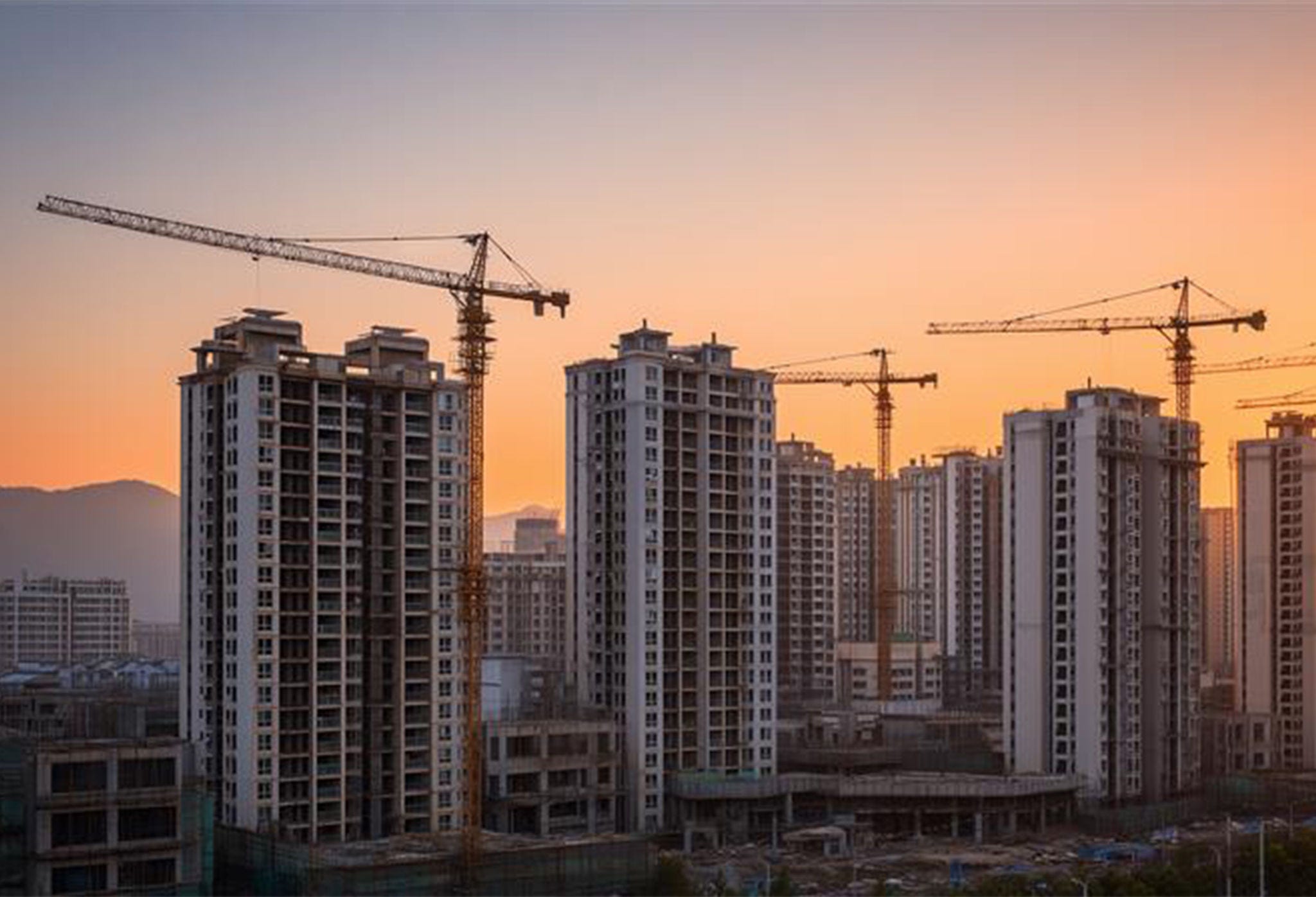
The National Urban and Real Estate Development Conclave 2026 is taking place on 13-14 February 2026 at Yashobhoomi, New Delhi. Centred on the theme ‘Urban and Real Estate Development,’ the Conclave highlights the sector’s resilience and growth potential while driving discussions that advance innovative, actionable strategies for sustainable development across India’s real estate landscape.

      Against this backdrop, the background paper for the Conclave synthesises the sector’s multifaceted themes into a unified perspective, offering a comprehensive overview of the current ecosystem. It additionally highlights the key structural constraints and recommends strategic interventions to address them, supporting the transition from policy design to effective on-ground implementation.

      India’s real estate sector continues to serve as one of the core drivers of the national economy, underpinned by sustained demand, deeper reforms and high‑growth segments. As the country’s second-largest employment-generating sector, real estate continues to attract significant investor interest, with institutional inflows exceeding USD10 billion in 2025. This trajectory positions the sector to reach USD5 trillion or more by 2047 and solidify its role as an essential pillar of the Viksit Bharat vision.


      Key transformational elements shaping the sector

      These priority areas reinforce the sector’s rapid advancement and guide how real estate could position itself for a future aligned with national development objectives.

      receipt_long

      Urban planning and redevelopment

      Rapid urban growth along transit corridors is driving demand for compact, well‑connected development

      Transit-oriented development (TOD) is emerging as one of the key priorities by aligning mobility, land use and economic activity to improve long term liveability.

      home

      Housing supply and affordability

      Rising affordable and mid‑income demand underscores the need for a viable, well‑planned housing supply

      Stronger project viability and financing remain essential for inclusive, balanced urban growth.

      payments

      Housing‑finance dynamics

      A maturing housing‑finance landscape driven by urbanisation and evolving consumer needs is expanding access to home ownership

      Stronger regulatory framework and disciplined lending remain vital to sustain residential growth and deepen financial inclusion.

      memory

      Digital infrastructure

      Modernised land records and improved registration systems are enabling more efficient transactions

      Growing proptech adoption is enhancing service delivery and lifecycle management, making digital enablement a core sector theme.

      precision_manufacturing

      Green buildings construction

      Environmental considerations and rising operational expectations are accelerating demand for sustainable buildings

      Green codes, low‑carbon technologies and modern construction methods are becoming essential for long‑term sector resilience.


      Transforming structural dynamics into measurable outcomes

      • Diverse mandates and transparency considerations

        Improve coordination through unified planning and streamlined regulations can strengthen alignment across agencies and enable more consistent implementation

      • Affordable housing limitations

        Integrate supply-side reforms, blended finance-led PPP models and expanded low-cost housing finance access to unlock viable, large-scale housing delivery

      • Evolving rental market

        Formalise rental markets through unified governance, digital compliance and faster technology‑enabled dispute resolution

      • Limited credit access for low and middle income households

        Strengthen housing finance inclusion through targeted subsidies, alternative credit assessment and low‑cost refinance mechanisms to broaden access

      • Variations in land records and registration processes

        Accelerate nationwide digitisation with Aadhaar-linked registration and uniform e-stamping to integrate end to end workflows

      • Limited interoperability and digital readiness

        Enable interoperability through standards-based digital architecture and capacity building across developers and public agencies

      • Rising input costs and varying green construction norms

        Introduction of initiatives such as the National Green Building Code for phased adoption, supported by fiscal incentives and mandates

      These reforms, collectively, can provide a strong foundation for a more cohesive, future‑oriented real estate sector, aligned with the national development priorities and evolving consumer expectations. This momentum is reinforced by a policy environment that emphasises planned urbanisation, sustained infrastructure investment and diversified capital channels, further strengthening long-term market preparedness.

      National Urban and Real Estate Development Conclave – 2026

      An overview of India’s evolving real estate landscape driven by sustainable urbanisation, strengthened governance and future‑ready development pathways
      Key Contact

      Neeraj Bansal

      Partner and Head India Global

      KPMG in India

      How can KPMG in India help

      The world is witnessing urbanisation at an unprecedented pace, which is expected to further accelerate, and India is anticipated to lead this growth.

      Providing fillip to Infrastructure and Industrial ecosystem in India

      KPMG’s Business Consulting professionals we may help you identify and solve the challenges that stand in the way of your growth and progress

      Access our latest insights on Apple or Android devices