What is an Outside-In analysis?

      In today’s volatile business environment, success depends on looking beyond internal data and financial metrics. Outside-In analysis is a forward-looking approach that uses external signals such as market trends, customer sentiment, competitor moves, regulatory changes, and technological shifts to anticipate disruptions and guide strategies.

      Rather than focusing only on the past (internal reports, historical KPIs), Outside-In analysis enables companies to see around corners by leveraging publicly available datasets, third-party intelligence, and advanced analytics.

      To illustrate, KPMG professionals can help a shoe company refine its pricing strategy through outside-in analyses. By collecting publicly available pricing data from web shops, aggregators, and third-party sources, we can benchmark its products against direct and indirect competitors. This reveals valuable insights into price positioning and supports optimization strategies to boost sales and profitability. Tracking historical price trends further enables proactive responses to competitors’ moves.

      Various categories display statistically significant gaps to competitors sell out price
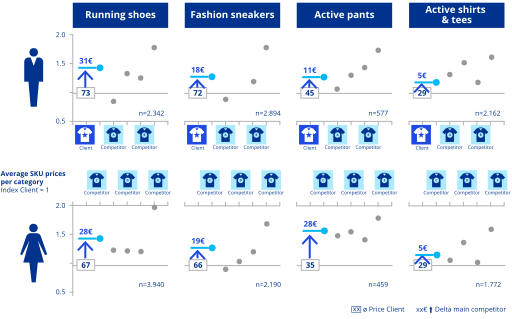
      Even without internal data, this outside-in method empowers businesses to refine their pricing strategies, inform strategic decisions, capture additional value, and strengthen their market positioning.

      Why is the Outside-In analysis becoming so popular?

      Outside-In analysis is gaining traction because the world is awash with data and the tools to harness it have never been more powerful or more affordable.


      Source: Statista - https://www.statista.com/statistics/871513/worldwide-data-created/?srsltid=AfmBOopgmoGPOW2e98mj3OluSlnmIMSifxYeZqJx1xN1Q6CnIQTBrD2P

      Every day, more than 400 million terabytes of new data are created globally. Social media interactions, IoT devices, e-commerce platforms, and third-party databases have turned the external environment into a living data stream. Between 2022 and 2024, external data volumes grew by over 20% annually, and by 2026, the global data pool is expected to nearly double compared to 2023 level.

      At the same time, the cost of advanced analytics has dropped dramatically thanks to cloud computing, open-source solutions, and AI-driven automation. What once required specialist infrastructure is now accessible on demand making Outside-In analysis practical for any organization.


      Source: Grand View Horizon - https://www.grandviewresearch.com/horizon/outlook/data-analytics-market-size/global


      Source: Grand View Horizon - https://www.grandviewresearch.com/horizon/outlook/data-analytics-market-size/global


      This convergence of data abundance and analytics accessibility has made Outside-In analysis a strategic must-have. Companies use it, among others, to:

      • Benchmark pricing across competitors.
      • Assess innovation trends via patent analysis.
      • Map competitive positioning through SEO/SEM data.
      • Measure brand visibility and sentiment at scale

      For KPMG, these methods are already embedded in client work, helping organizations move from reactive decision-making to proactive, data-driven strategy.

      What are some of the use cases for Outside-In analysis?

      Outside-In analysis is not just a concept; it is already creating impact on real client projects. Below are a few examples of how we have applied it in practice:

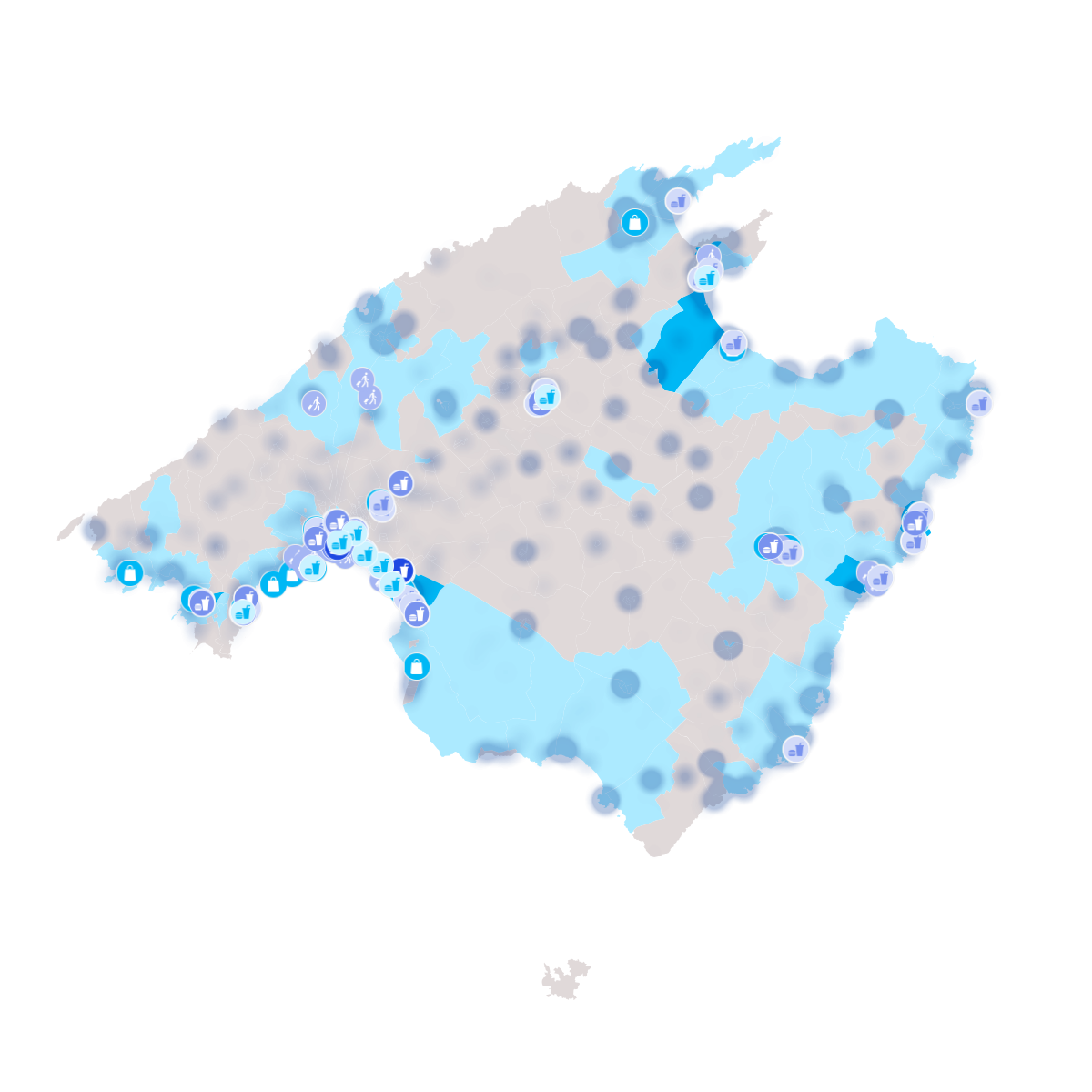
      • Location strategy: For a global fast-food chain, we combined geospatial data with demographic insights to guide market expansion. The analysis pointed out untapped areas, avoided overinvestment in saturated regions, and increased ROI on new store openings.
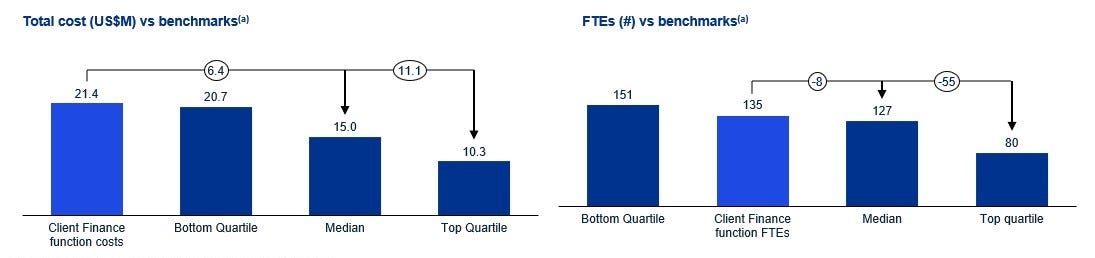
      • Organizational excellence: Leveraging Generative AI to process thousands of public professional profiles, we benchmarked Finance, Sales, IT, and Operations functions against industry peers. This revealed cost and headcount imbalances and guided rightsizing and capability-building initiatives.
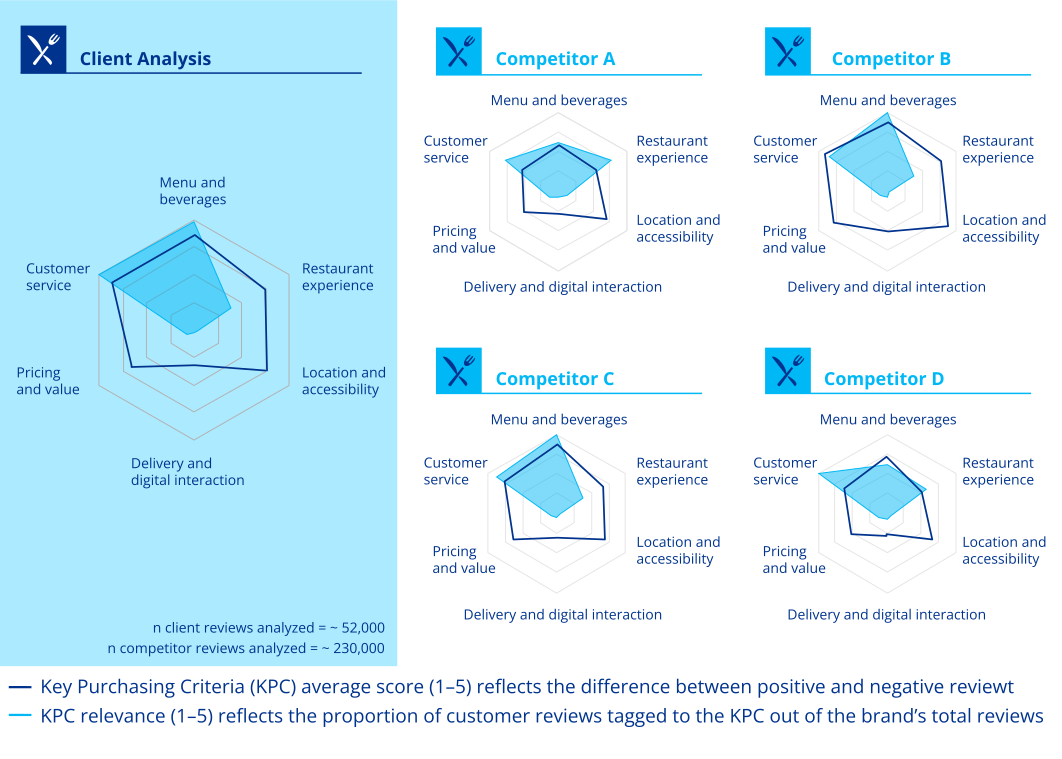
      • Customer sentiment & Brand positioning: In a recent project, we analyzed over 400,000 customer reviews from third-party platforms. Using Generative AI and Natural Processing language (NLP), we classified sentiments across pricing, service, and product quality, and compared results with competitor brands. The insights shaped pricing architecture, brand messaging, and customer experience actions.
      • Innovation and competitive intelligence: Through patent and SEO/SEM analysis, KPMG professionals helped a technology client understand competitors’ innovation focus, detect emerging disruptors, and refine their strategic priorities
      The shift from NLP to Generative AI has amplified these use cases, allowing us to transform vast amounts of unstructured external data into clear, actionable insights.

      What are the potential benefits of this kind of analysis?

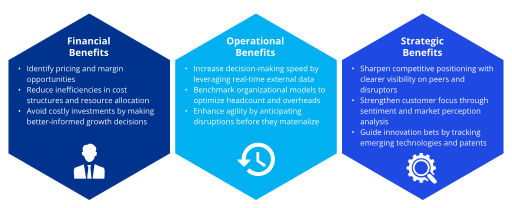
      Outside-In analysis delivers tangible business benefits by turning external signals into strategic guidance. The impact can be seen across three dimensions:

      At KPMG, we have embedded Outside-In analysis into our client work, with AI powered tools such as the Strategy Technology Platform which provides a quick access to real-time data and insights for faster decision-making and improved delivery, Clara Smart Audit Platform that integrate AI to automate tasks and enhance audit quality and the KPMG Velocity Platform which is designed to expedite transformation projects with AI-enabled tools.

      By combining external data with Generative AI, we provide actionable insights that help clients protect margins, accelerate growth, and stay ahead of disruption.

      Related content

      From stock-pickers to the quant PE house

      KPMG Global Strategy Group combines the right blend of strategy, sector expertise and data-driven insights to deliver a bespoke approach that drives performance transformation with tangible financial impact.

      From strategy through to execution, we can help you quickly and confidently achieve measurable improvements to your revenue, operating margins, cost structures and working capital positions. It is value, quantified and delivered.


      Our people

      Javier Rodriguez

      Global Head of Strategy

      KPMG International