Ongoing conflict in the Middle East and broader geopolitical instability have heightened uncertainty in day‑to‑day business operations. Rising energy prices, cost pressures and supply chain disruptions are increasing the risk of financial losses for organizations. Over time, challenges such as supply shortages, delayed customer payments and tighter credit conditions can place strain on working capital and cash flows critical to sustaining daily operations. As a result, CFOs and financial teams are under increasing pressure to strike the right balance between liquidity, risk and performance.

      Whilst working capital management is not a new concept, recent events have highlighted the need for a more proactive approach. Effective management of working capital and cash flow is essential to avoid bad debts or inventory write‑offs, mitigate lost sales, and preserve supplier relationships where payment obligations cannot be met.

      We outline below the core components of working capital management, and five tips that best-in-class organizations are adopting.
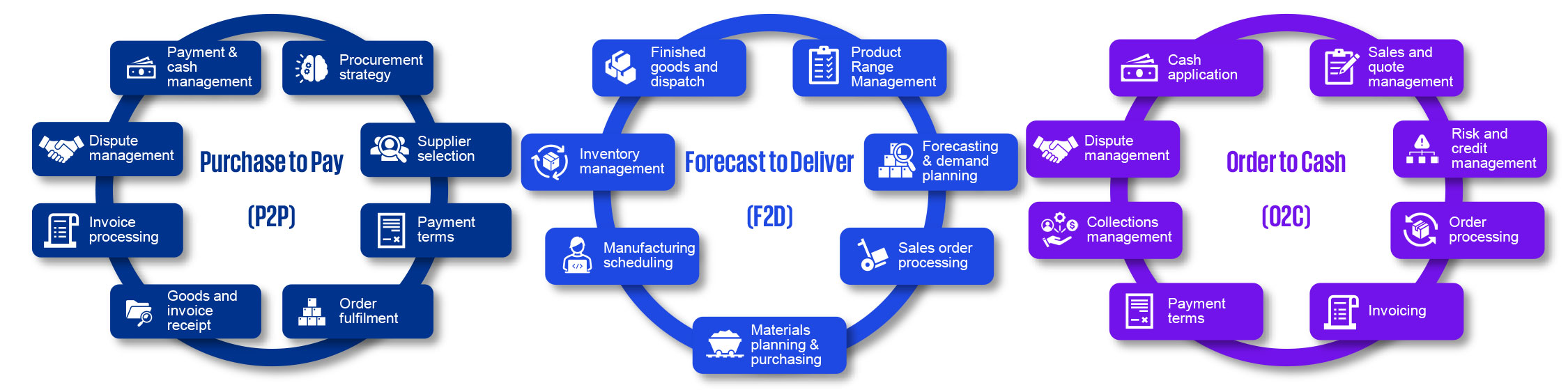
      The three working capital cycles:

      The three working capital cycles > Click on the image to enlarge it

      Five tips for effective working capital management:

      • Understand your working capital and cash flow requirements

        Develop and embed a robust forecast of cash flow and working capital for the business. We recommend a 13-week forecast as well as a 12-month forecast.

      • Take a proactive approach to invoicing and collections

        Make sure customers are invoiced in a timely manner and pay in line with contracted terms, with actions taken immediately where payments become overdue.

      • Examine forecasted inventory requirements

        Critically assess forecasted stock to identify excess buffers and SKU inefficiencies, avoiding cash tied up in slow-moving products.

      • Consider how frequently you make payments to suppliers

        Install fair and transparent payment processes with suppliers so they know when they will be paid, ensuring payments are made in accordance with contract terms.

      • Leverage data and analytics tools to monitor working capital

        Embed operational levels of reporting to ensure you have granular visibility of working capital at a customer, supplier of SKU level to support identification of issues and decision making.


      Whether you are still struggling to recover from the recession, experiencing a surge in demand, or launching a new business venture, focusing on effective working capital management will allow you to generate additional cash flow to repay debt, or fund growth and ensure you are best placed to react in times of uncertainty. 

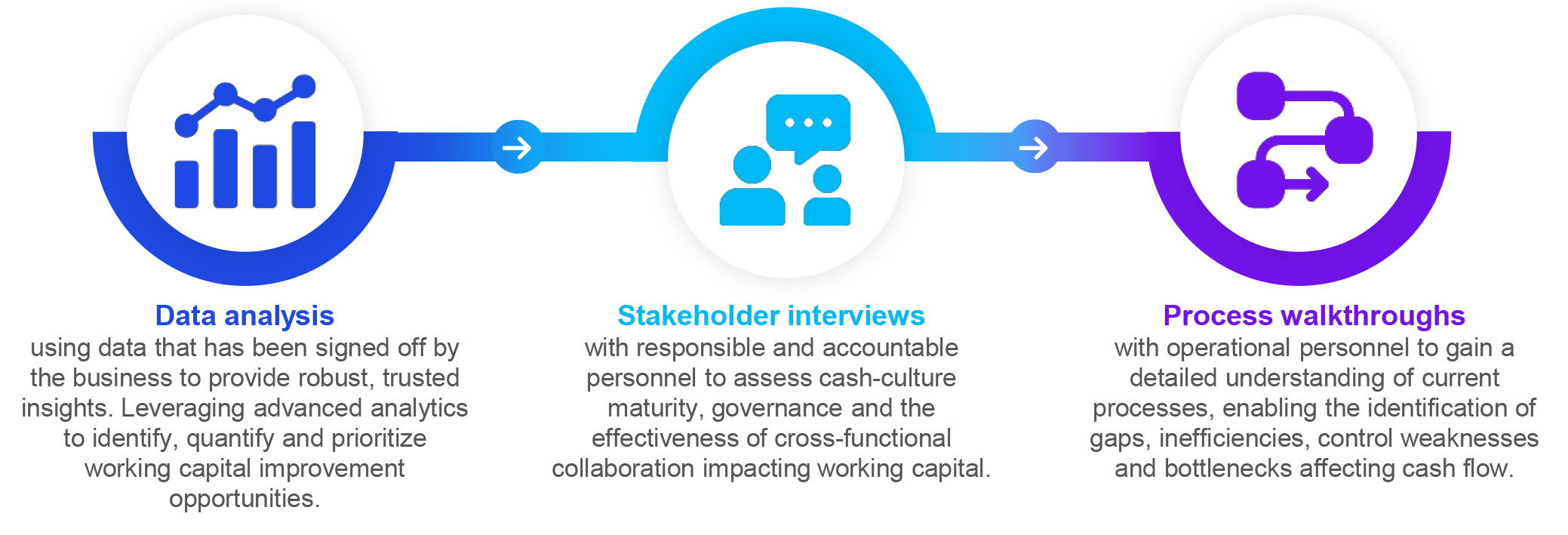
      How we can help

      How we can help > Click on the image to enlarge it

      Leading data analytics tools

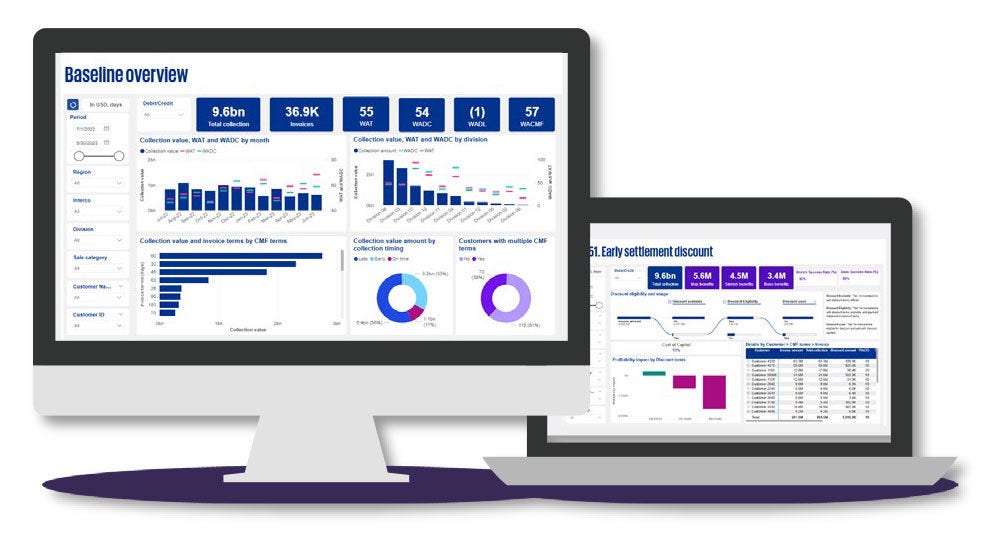
      KPMG’s leading working capital diagnostic methodology utilizes proprietary cutting-edge data visualization software. Drawing from multiple, standard, ERP data outputs our software can quickly analyze and prioritize working capital enhancement opportunities.

      This output is dynamic and users could interact ‘live’ with their data, adjusting assumptions and performing sensitivity analysis in a real time environment, quickly getting to the root cause of problems. Coupled with our extensive experience of where to look, this is a powerful methodology to enhance working capital performance.

      How we can help Real-time data interaction

      Some or all of the services described herein may not be permissible for KPMG audit clients and their affiliates or related entities.

      Download the newsletter

      Improve cashflow through working capital optimization

      Working Capital Advisory insights


      Key contacts

      Related content

      Insights from from Deal Advisory Services, KPMG in Thailand

      KPMG's Working Capital Advisory brings a fresh perspective to help organizations find and release cash and working capital within their business.