

Anna Skukis
Compliance Manager, DTEK


Olena Makarenko
Partner, Risk Consulting and Sustainability, KPMG in Ukraine
An article for KPMG Review Magazine by Anna Skukis, Compliance Manager, DTEK, and Olena Makarenko, Partner, Risk Consulting and Sustainability, KPMG in Ukraine.
As countries expand large-scale infrastructure and energy transition efforts, one challenge consistently cuts across borders: financial crime. Corruption often captures public attention, but fraud and money laundering operate quietly alongside it, moving illicit funds through legitimate channels. One may involve a bribe to win a contract; the other a false invoice to release the funds. If we fight against one without tackling the other, the system still bleeds.
Financial crime: a global threat to energy security and transition
The energy sector is capital-intensive, highly interconnected, and increasingly global. These characteristics - complex supply chains, cross-border financial flows, and multiple intermediaries – make it vulnerable to fraud, trade-based money laundering and the misuse of offshore accounts. Criminals may create fake contracts, manipulate commodity prices, double-count environmental claims, or route illicit payments through intermediaries, often under the guise of legitimate trade. The legal and reputational consequences for companies can be just as severe as those associated with corruption, and the two often reinforce one another.
Fraud also generates illegally obtained ‘dirty’ money. While anti money laundering (AML) is often seen as a banking issue, it is just as important for private companies, as financial crime does not stop at the bank’s door. Criminals launder funds to avoid detection or seizure by law enforcement, reintroducing them into the financial system or concealing their origin through spending or investment.
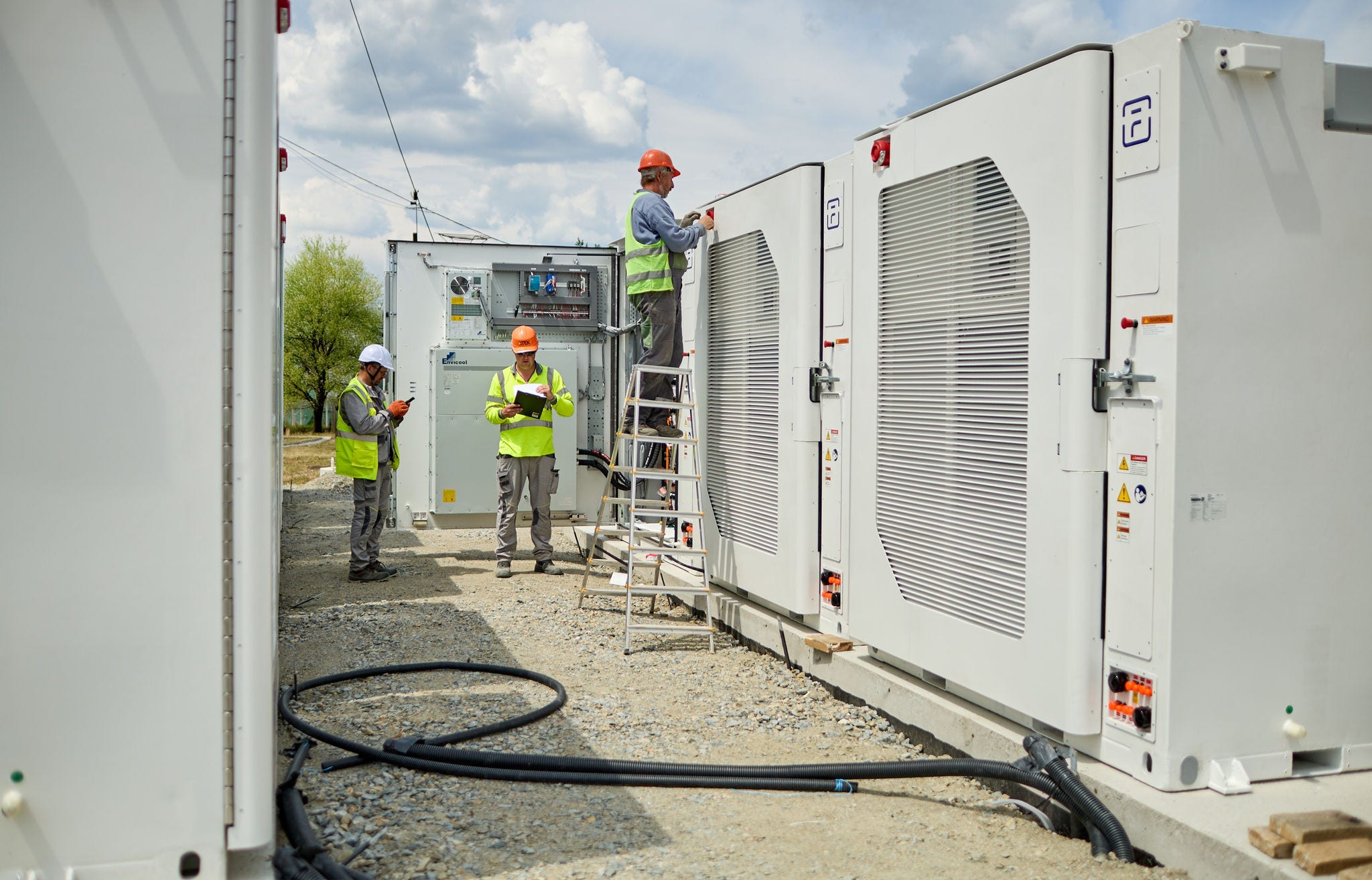
Energy storage system. Photo: DTEK
Strengthening defenses: what companies can do
To manage the risks emerging from working with a growing number of counterparties, companies may resort to using various tools. One of the most effective is third-party due diligence, or KYC. This process helps companies unravel complex ownership structures and screen potential partners against key risks.
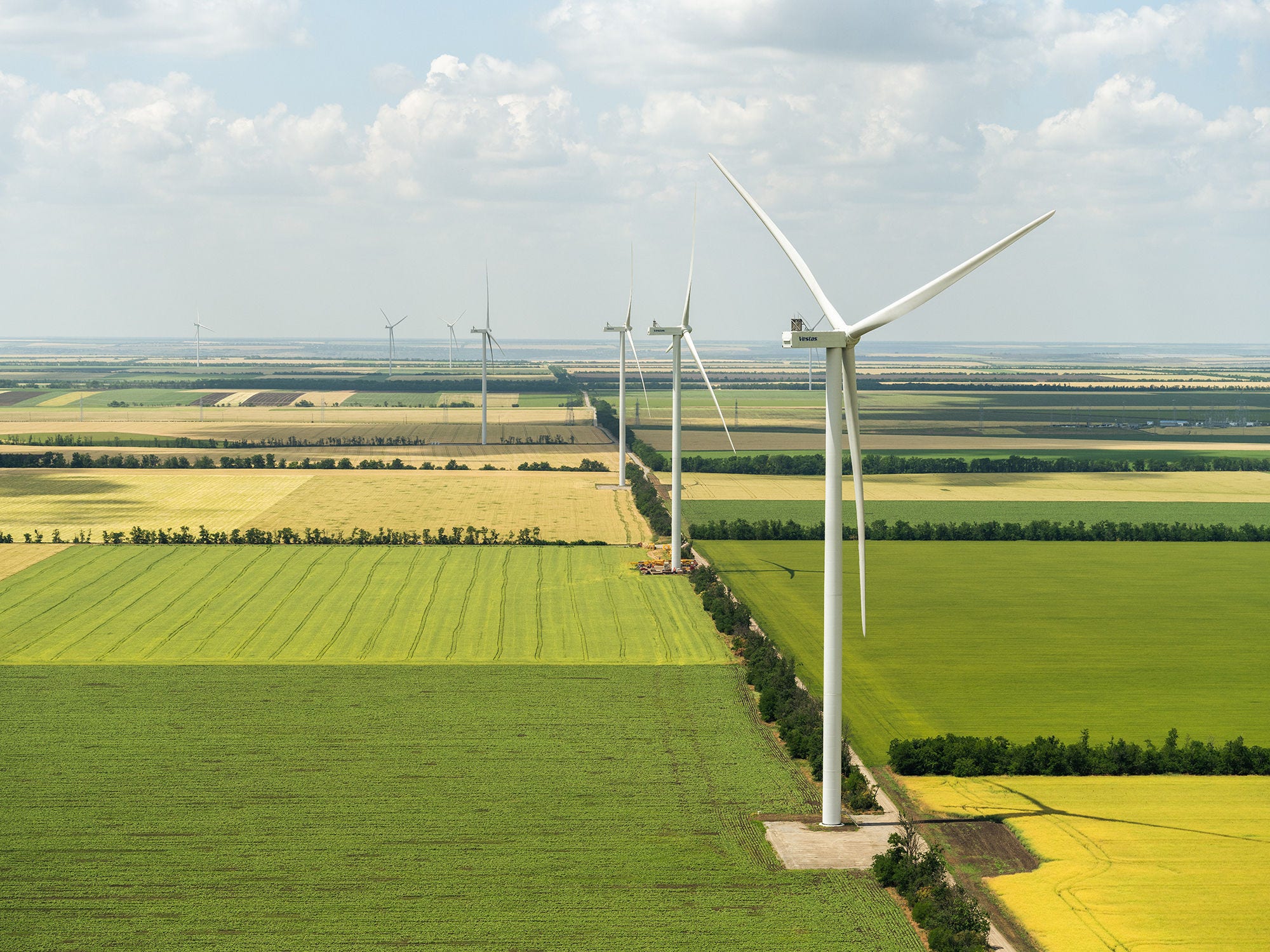
Wind power plant. Photo: DTEK
These include involvement in illegal activities, bribery or corruption; links to politically exposed individuals or government entities; regulatory investigations or legal action; and affiliation with sanctioned entities or high-risk jurisdictions, such as Russia, Belarus, Iran, North Korea and others.
To implement third-party screening process, companies may choose to develop their own compliance systems internally, leveraging in-house resources and expertise. This approach, however, brings challenges. It requires sufficient expertise and training specialists to be able to effectively work with a wide range of sources of information across challenging jurisdictions. It also involves high costs, including access to specialist tools such as corporate databases and sanctions monitoring tools.
Alternatively, companies may opt to engage external consultants who possess experience, tools and expertise to meet these needs efficiently. This allows companies to completely outsource the KYC process or to strengthen their own systems. In both cases, companies benefit from proven processes built on extensive international experience and engagements.
Hybrid approaches—combining internal oversight with external specialists—often offer the most effective solution.
Rebuilding trust through compliance
As investment flows into infrastructure, modern energy systems, and resilient supply chains, anti-fraud and anti-money-laundering measures are now a core part of building credible energy systems. Strong compliance frameworks send a clear signal to citizens, investors, lenders, and international partners that transparency is the baseline. Without it, trust erodes and progress slows.
Key insights include:
For energy companies, these measures do more than prevent illicit activity. They attract investment, strengthen market confidence, and support sustainable growth. Building energy systems is not only about capacity or infrastructure. It is also about strengthening the integrity of the economic environment in which they operate. Combatting financial crime is not a regulatory burden; it is a foundation for resilient, future-focused development.
Proactively assessing and managing risk is essential to delivering a transparent and sustainable energy future.
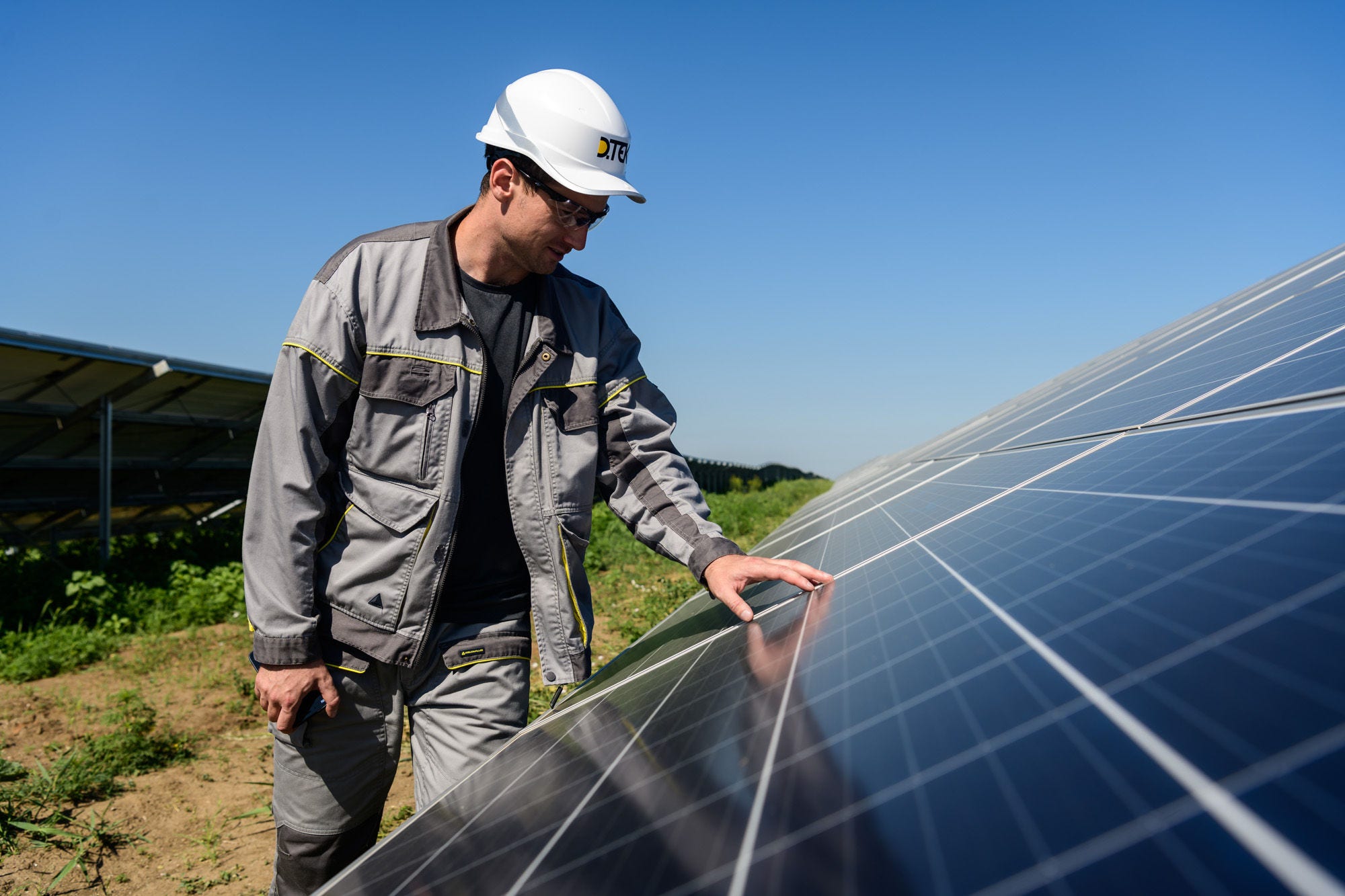
Solar power plant. Photo: DTEK
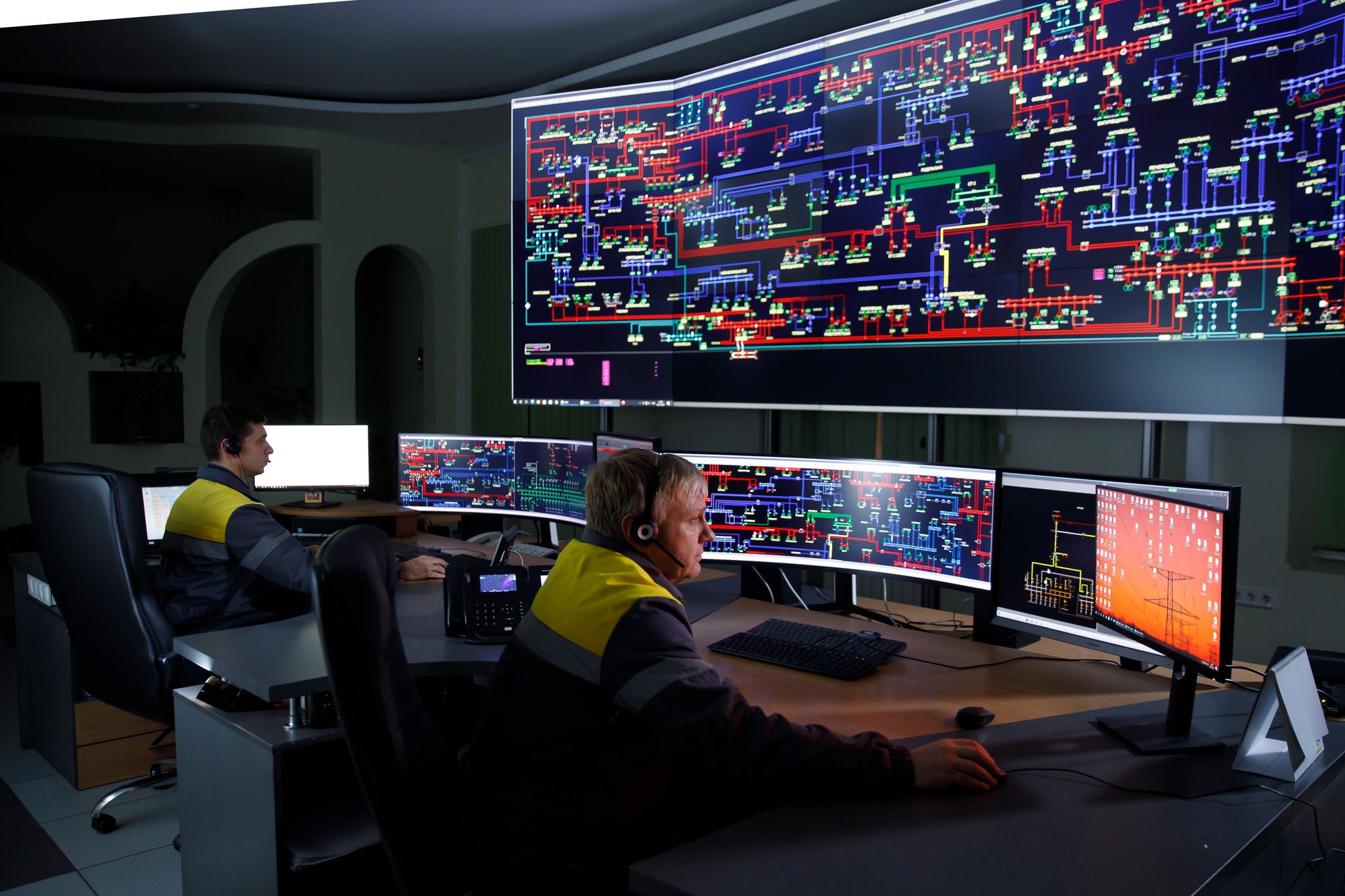
Digital control room. Photo: DTEK

Olena Makarenko
Partner, Risk Consulting and Sustainability, Head of Impact Committee, KPMG Insight Academy Leader
KPMG in Ukraine

