Supporting national and regional development priorities
Our commitments: Contribute to the economic development of China
In 2025, China marked the completion of the 14th Five-Year Plan and laid the groundwork for the 15th Five-Year Plan. The national priorities remain centred on advancing high-quality development—driving innovation, improving livelihoods, and building a Beautiful China. Against this backdrop, KPMG collaborates with businesses across the nation to identify strategic opportunities, navigate complexities, integrate sustainability, and enhance the international competitiveness of Chinese enterprises.


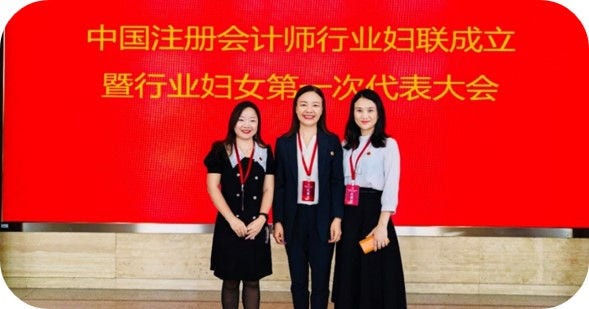
KPMG representative appointed to a leadership role in the CICPA Women’s Federation at its first women’s congress
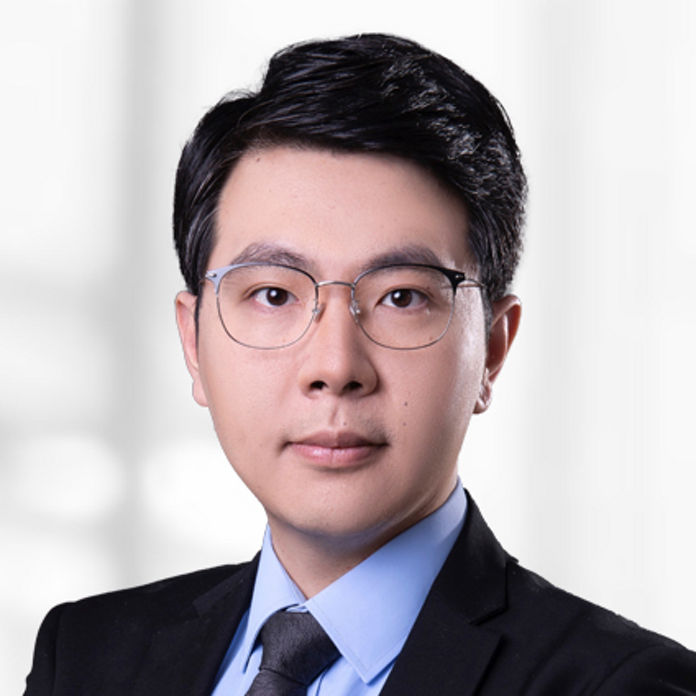
In September 2025, the Chinese Institute of Certified Public Accountants (CICPA) launched its Women’s Federation, holding both its founding conference and the accounting industry’s first Women’s Congress. Tracy Yang, KPMG China’s Senior Partner for the Eastern and Western China region, was elected First Vice-Chair of the Federation’s inaugural Executive Committee. She committed to amplifying the voices of female accountants and creating platforms for their growth.
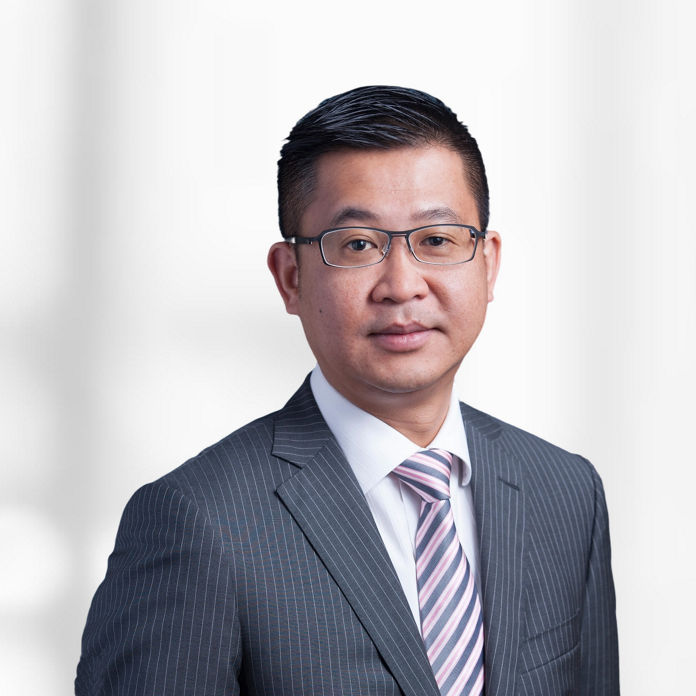
KPMG’s representatives participated at China’s 2025 National People’s Congress (NPC) and Chinese People’s Political Consultative Conference (CPPCC) sessions at both national and local levels. 27 of our delegates and committee members shared their perspectives in driving high-quality development and addressing other critical national priorities. KPMG also released the Interpretation of Key Points from the 2025 NPC and CPPCC Sessions, delivering actionable guidance for economic resilience and quality growth.
KPMG submitted over 40 policy proposals and recommendations, addressing a wide spectrum of issues including capital markets, business ecosystems, talent development, digital transformation, ESG, and regional development.
As a leading professional services firm, KPMG actively participates in major national and global events. We share our expertise and insights to help drive progress and transformation across industries.


Strengthening unity and driving accountability
On 3 September 2025, KPMG leaders attended the 80th anniversary marking the end of World War Two at Tiananmen Square in Beijing. Invited guests included Honson To (then Chairman, KPMG Asia Pacific and China), Jacky Zou (then Chairman-elect, KPMG China), Starry Lee (KPMG China Advisor), and Peter Kung (former Vice Chairman, KPMG China). Colleagues from across our China offices gathered to observe the commemorative events and military parade, taking the opportunity to reflect on the history and contributions behind the occasion.
Guided by our collective commitment and our role in China’s ongoing development, we continue to strengthen our market presence, enhance service quality, and support sustainable growth for our clients and communities.
KPMG Huazhen takes an integrated approach to Party building and operational excellence, driving meaningful results and earning industry recognition. Most notably, both our Huazhen and Shanghai Party committees, along with nine employees, were honoured by the Chinese Institute of Certified Public Accountants in its 2022-2025 initiative recognising advanced party organisations and outstanding accounting professionals.

AI and emerging tech: how we’re powering high-quality development
Technological innovation is an important enabler of China’s development. In 2025, the Government Work Report highlights the AI Plus initiative as a priority, aiming to scale the adoption of large AI models while ensuring integrity, security, and reliability.
In line with national priorities and KPMG’s own transformation agenda, we continue to invest in intelligent tools, responsible AI practices and digital capabilities to strengthen our service quality and deliver better value to our clients.
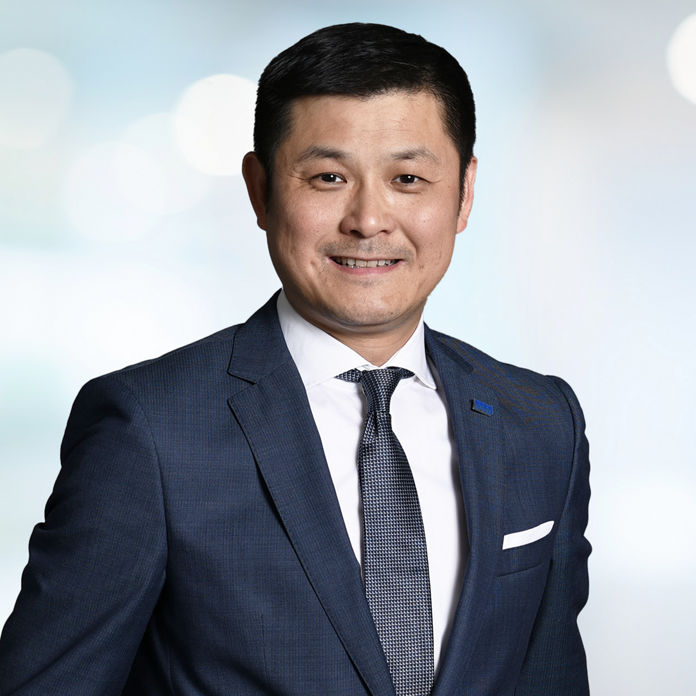
Artificial Intelligence is integral to KPMG’s global strategy and fundamental to our transformation and workforce enablement in China. To centralise strategic oversight, KPMG China established its AI Transformation Office (AITO) in September 2025. This dedicated function coordinates firm-wide AI capability development, drives cross-functional integration of AI technologies, and empowers all business lines to advance operational and business model transformation through structured collaboration with management teams.
In March 2025, KPMG China launched its secure AI assistant Xuanyuan Ki Chat, delivering core functionality—including Q&A, document processing, and knowledge retrieval—while adhering to rigorous security and compliance protocols. At the same time, we expanded trials of Xuanyuan Ki Lab, piloting advanced features such as voice meeting assistants, OCR text recognition, and translation services. All tools undergo thorough safety testing prior to deployment, ensuring our people have access to reliable AI solutions with tangible impact on business and operational efficiency.


Serving as a responsible corporate citizen
Our commitments: Support the communities in which we operate
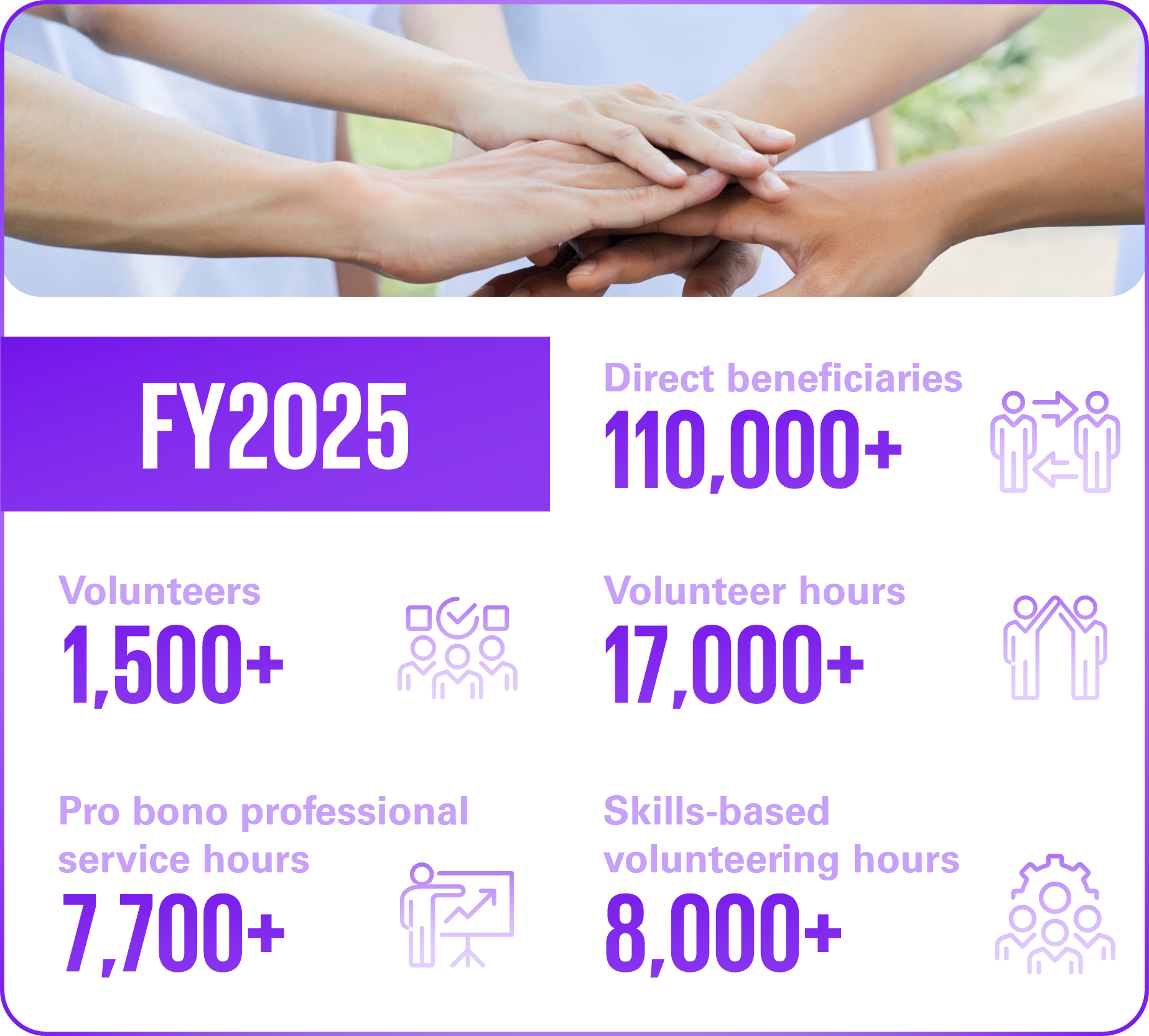
We create positive social impact by combining our professional capabilities with community partnerships and employee volunteering. In 2025, we delivered over 30 philanthropic initiatives across three pillars: lifelong learning, promoting inclusive development, and advancing sustainability. These efforts included skills-based and general volunteering that support rural revitalisation, social mobility and community resilience.
Preparing disadvantaged young people for a better future
KPMG’s global ‘10by30’ commitment, launched in 2022, aims to economically empower 10 million disadvantaged young people around the world by 2030 through education, employment and entrepreneurship.
Our work in China contributes to this ambition through programmes that help develop future-ready skills, support school-to-work transition, and remove development barriers.
Artificial intelligence and digital technology are changing how people learn and work, but many rural communities continue to face barriers including limited infrastructure, fewer resources and reduced access to quality teaching support.
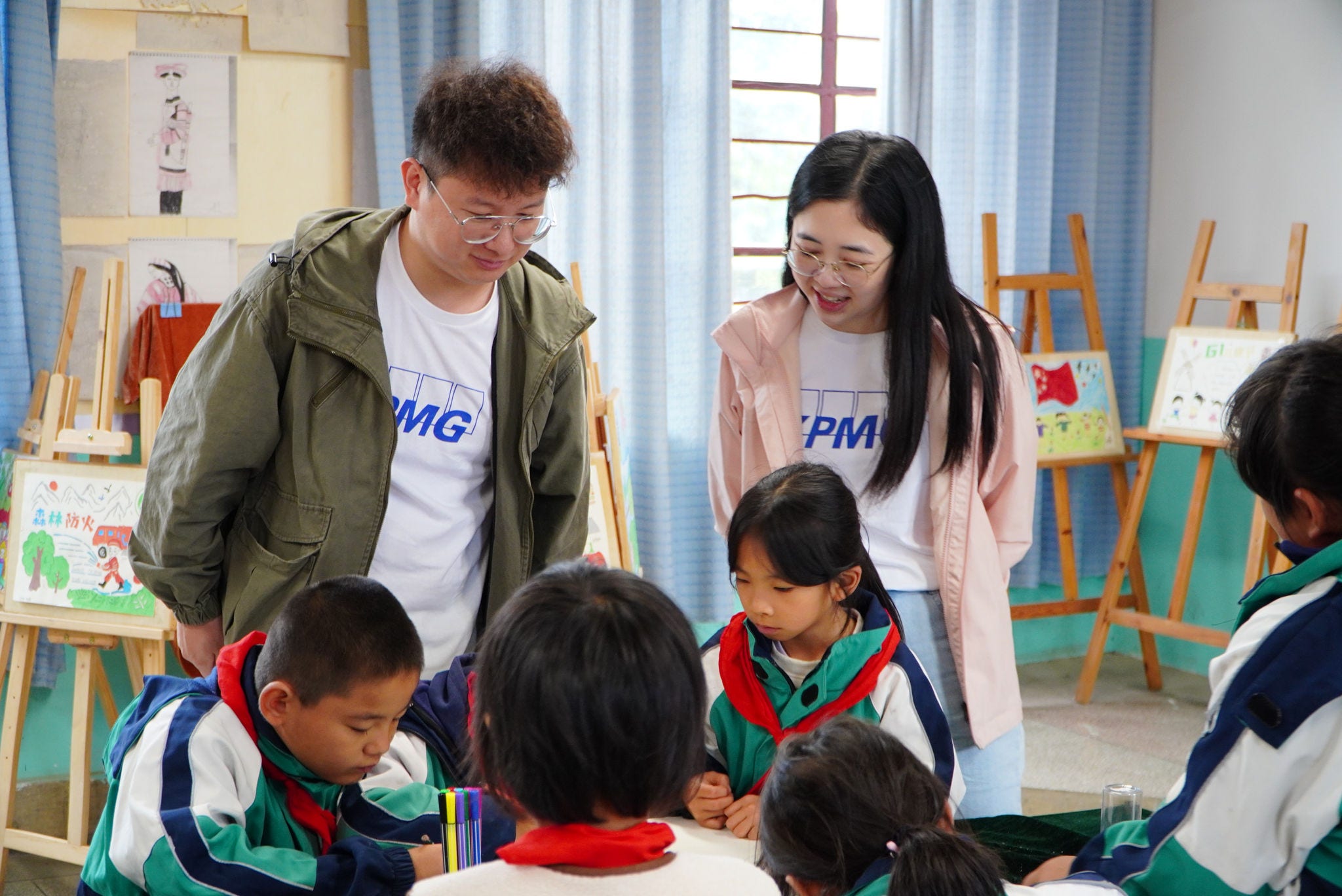
KPMG’s Pad for Hope Smart Classroom initiative addresses these disparities by providing essential hardware and tailored curriculum to support digital education in rural primary schools. The programme enhances digital literacy among educators and students, cultivating the talent that is essential for sustainable community development, and supporting rural revitalisation. By the close of FY25, the initiative had expanded to 24 rural schools, directly benefiting nearly 1,500 teachers and students.
We also worked with the Shanghai Zhonggu Charity Youth Development Center to establish Green IT Classrooms, combining support for digital education and infrastructure with the environmentally responsible reuse of retired computer equipment. Each classroom receives five years of operational and management support, ensuring lasting impact.
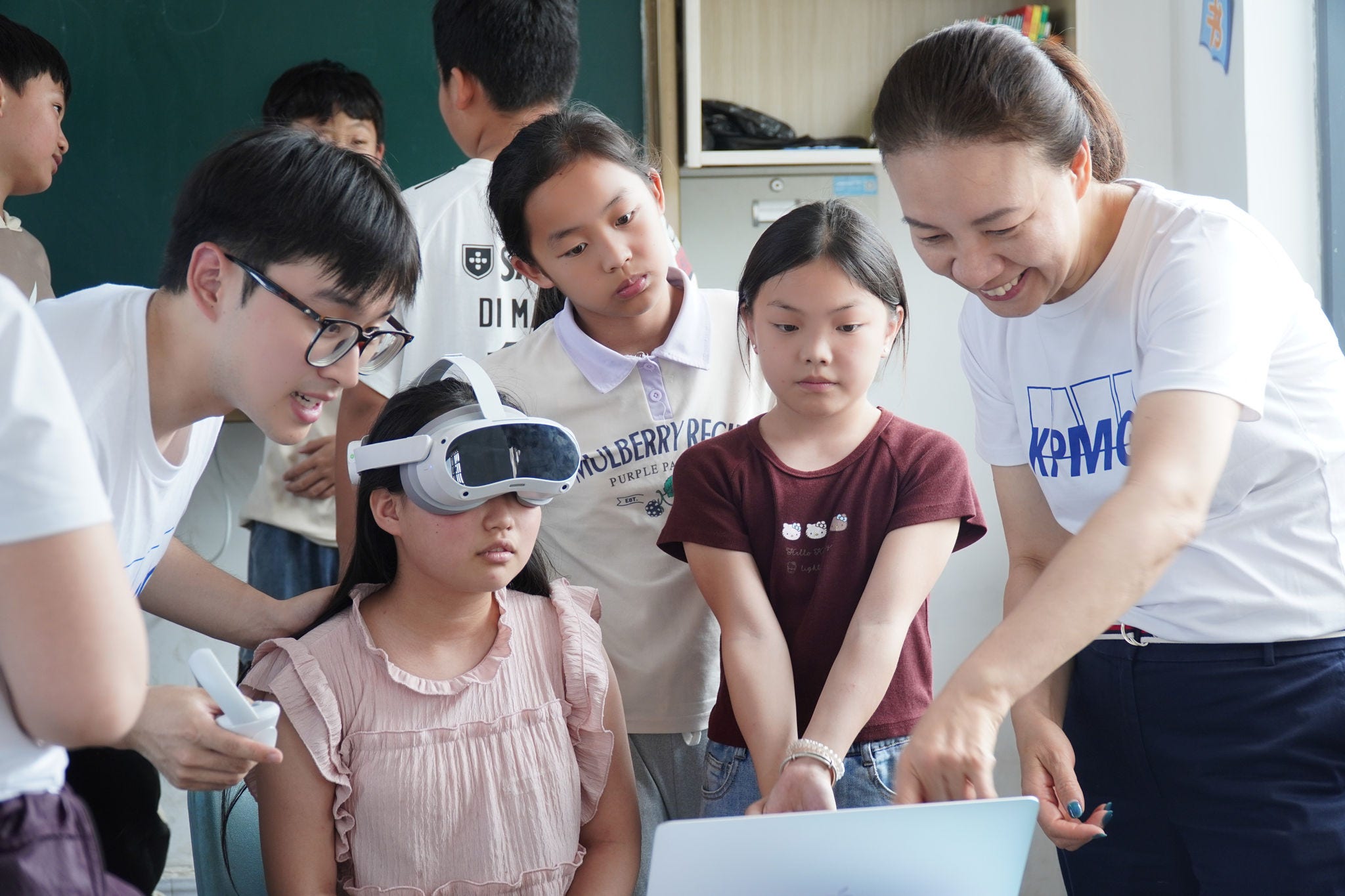
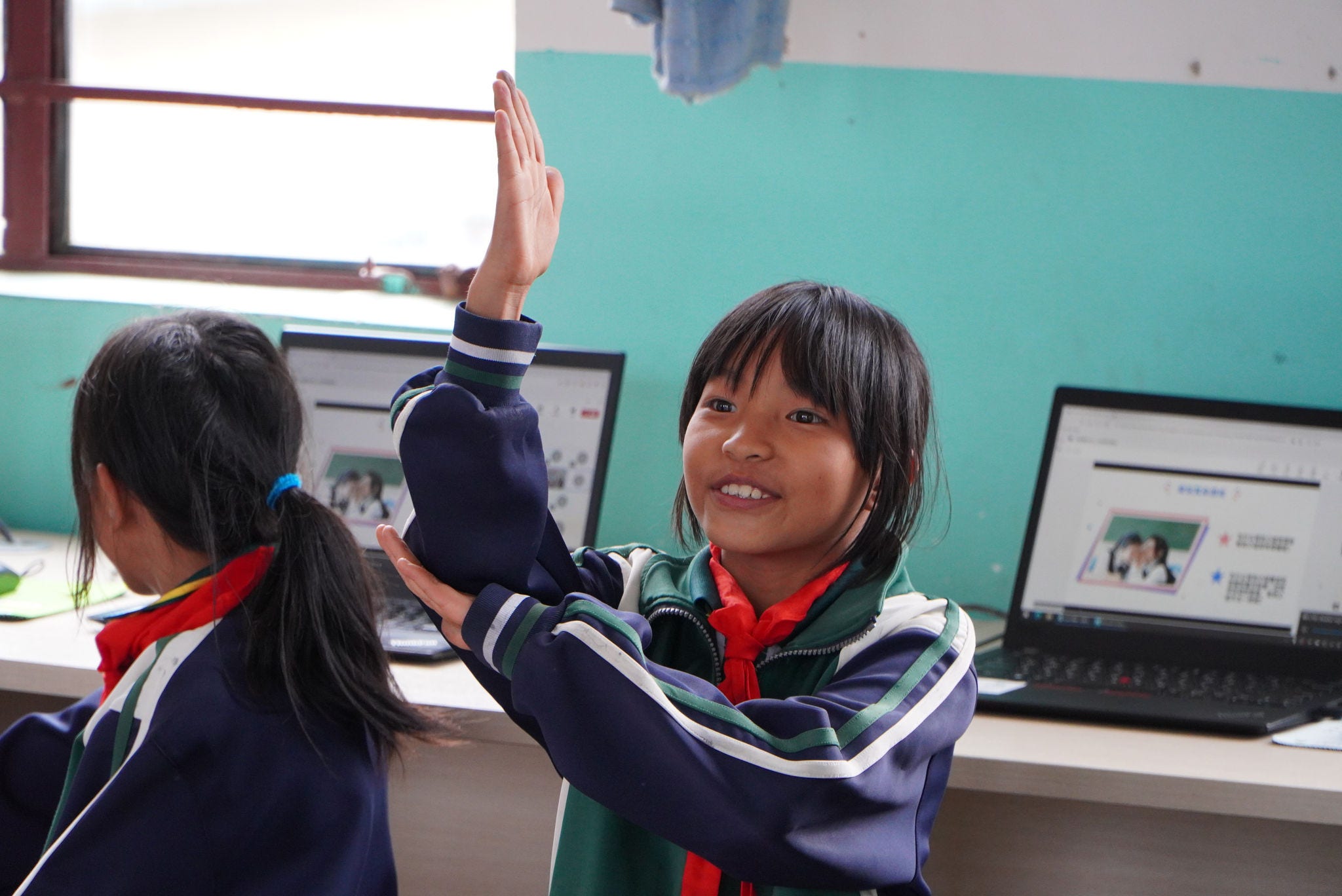
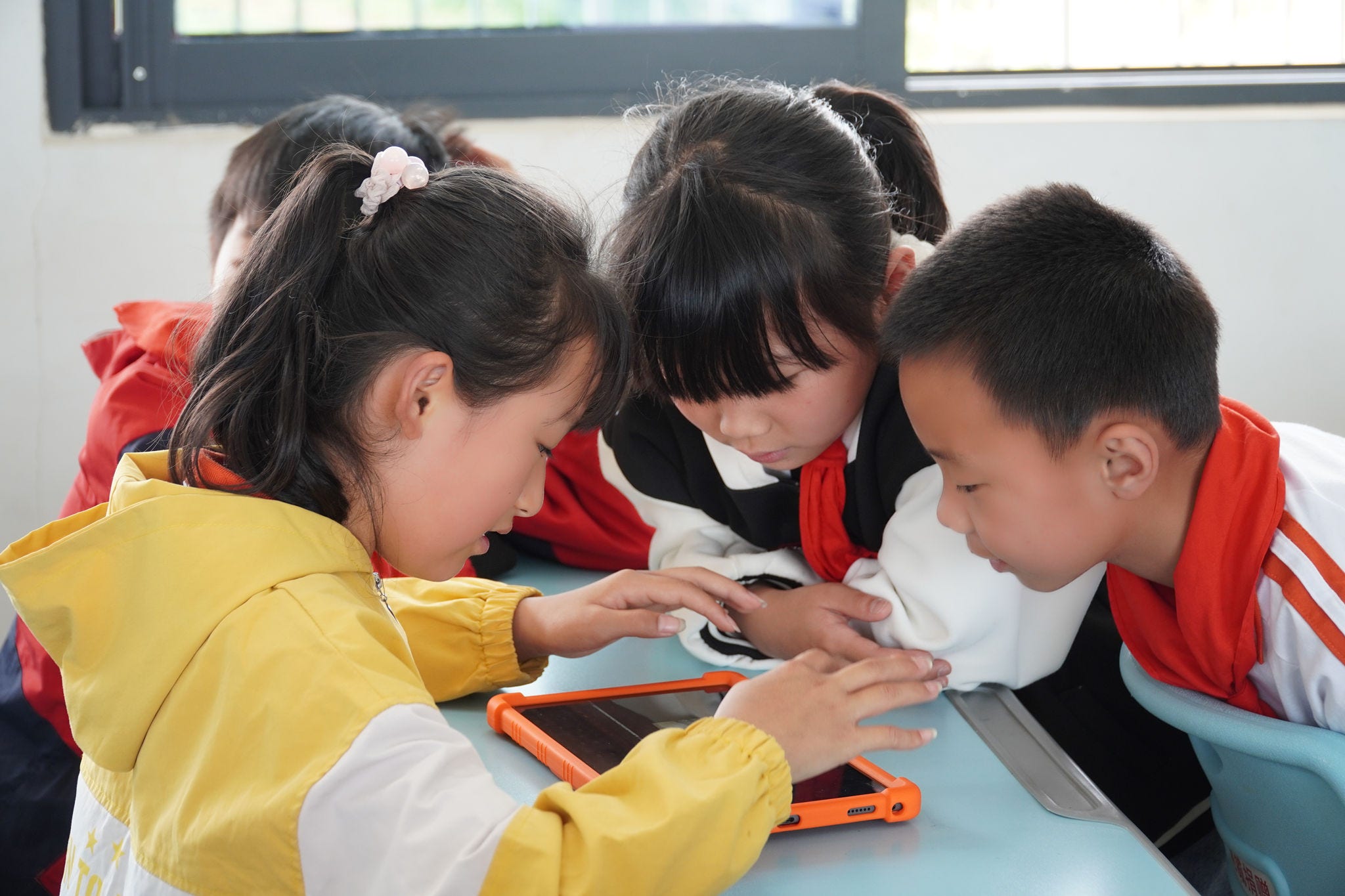
KPMG focuses on graduate employability, with particular attention to students from less advantaged backgrounds.
In 2022, we partnered with the NPI Foundation to launch the Career Up programme. It provides pre-employment training, personalised mentorship and internship opportunities to support students as they transition into the workforce. By 2025, the Career Up programme had successfully supported over 3,000 university graduates in launching their careers.
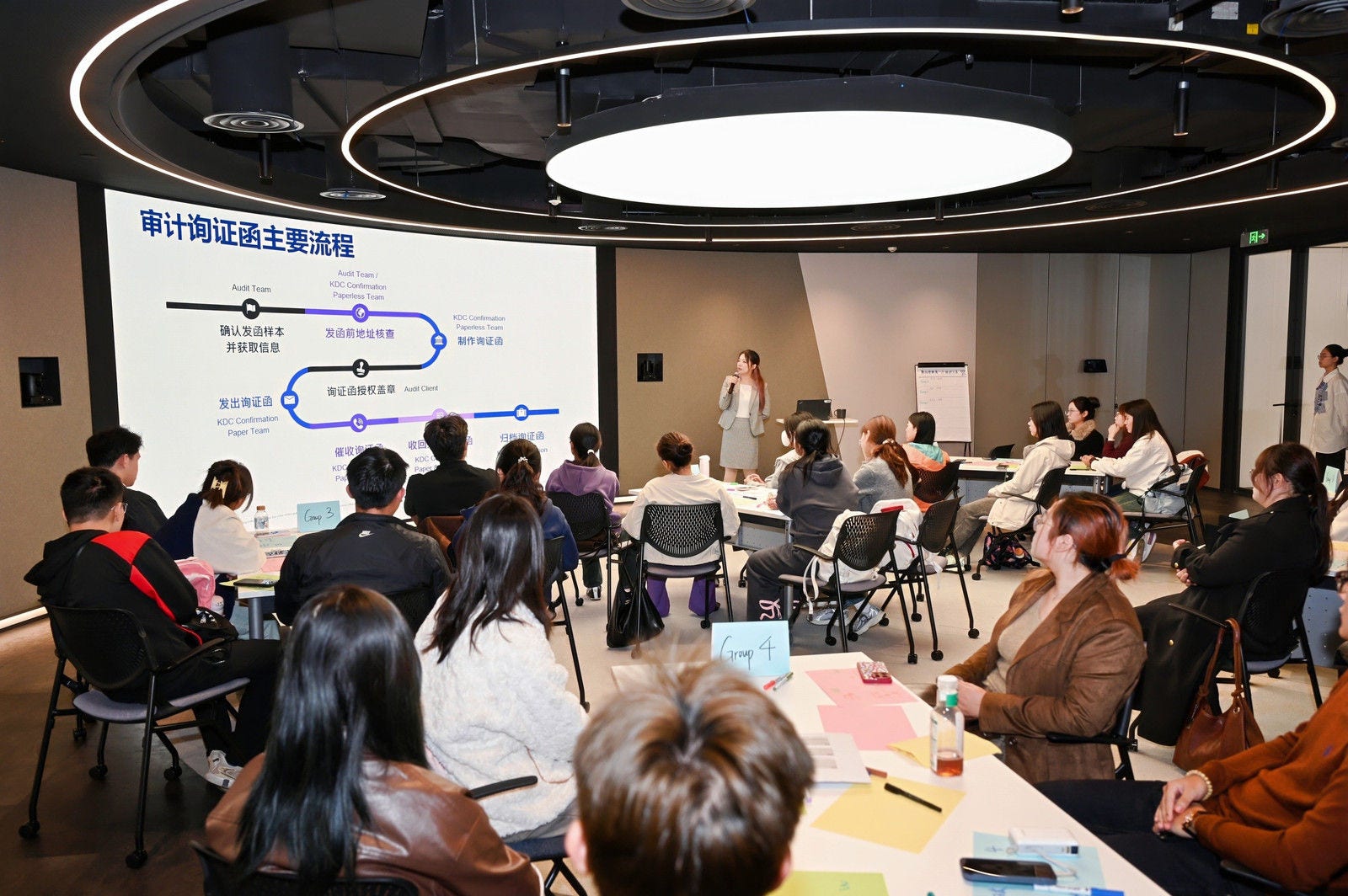
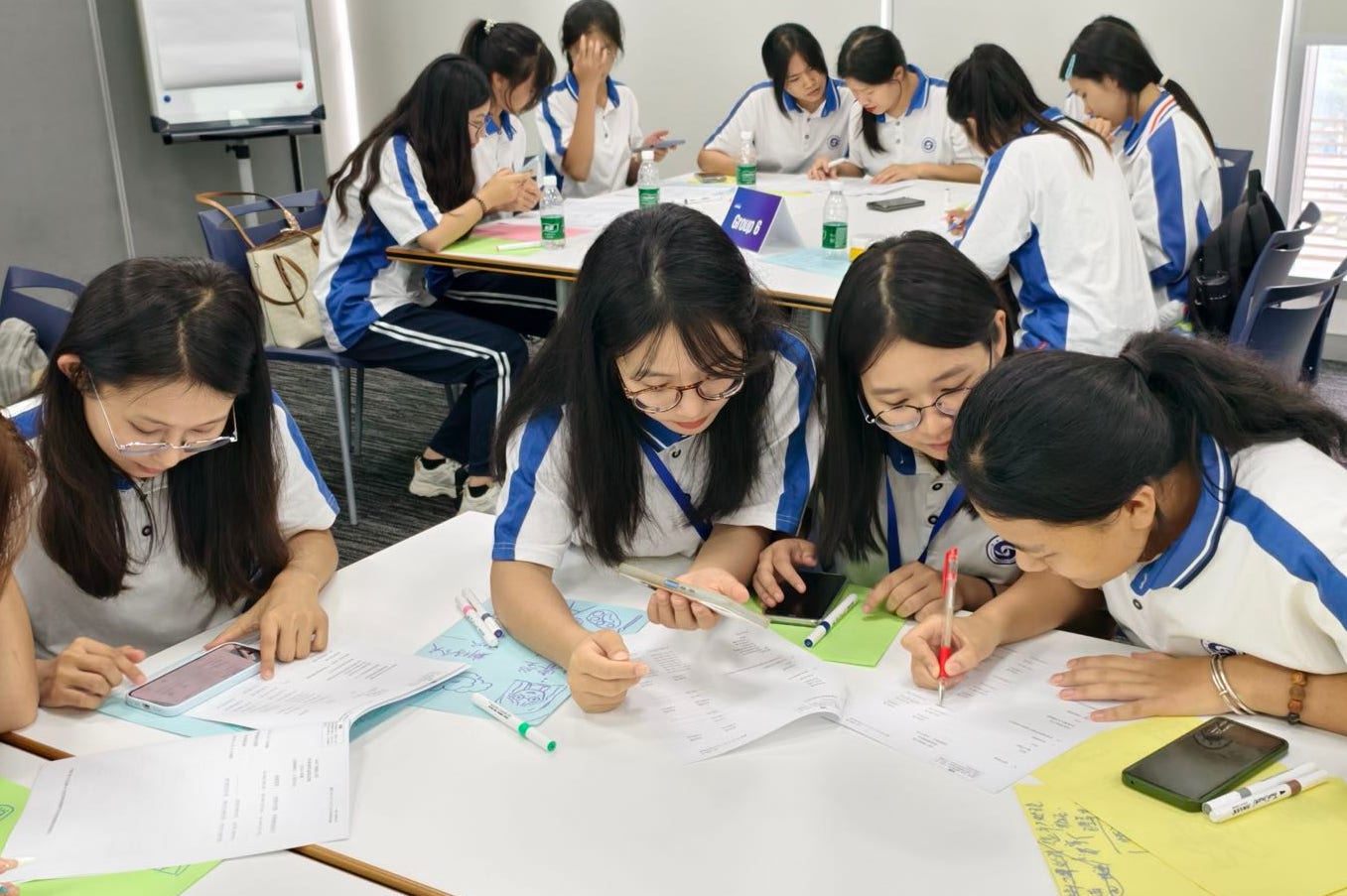
Empowering rural revitalisation with inclusive growth
KPMG supports China’s rural revitalisation by using its expertise to strengthen rural cooperatives, and by driving digital transformation in rural communities.
Building capacity for rural entrepreneurs
In summer 2025, KPMG partnered with the China Foundation for Rural Development to launch the Rural Entrepreneurship Training Programme. At Sichuan’s Mengdingshan Academy for Cooperative Development, we delivered specialised training to cooperative leaders from eight provinces, focusing on financial governance, risk management, and digital operations.
KPMG employs an integrated approach combining financial support, capacity building, and field research. We design specialised training programmes to enhance operational efficiency and market competitiveness for rural entrepreneurs and revitalisation leaders.
In recognition of 20 years of collaboration, the China Foundation for Rural Development formally acknowledged KPMG’s sustained partnership and transformative impact with a Plaque of Appreciation.

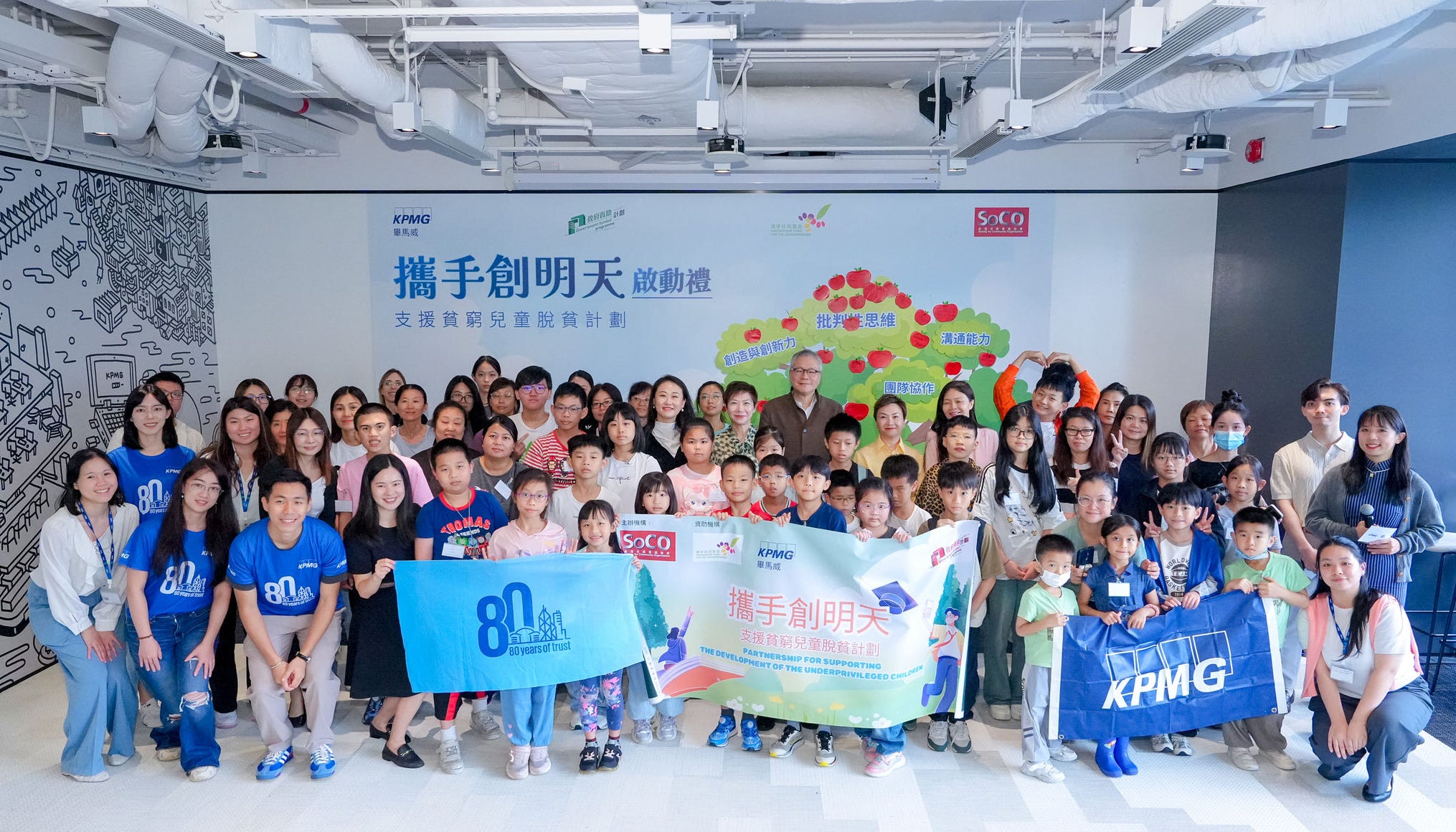
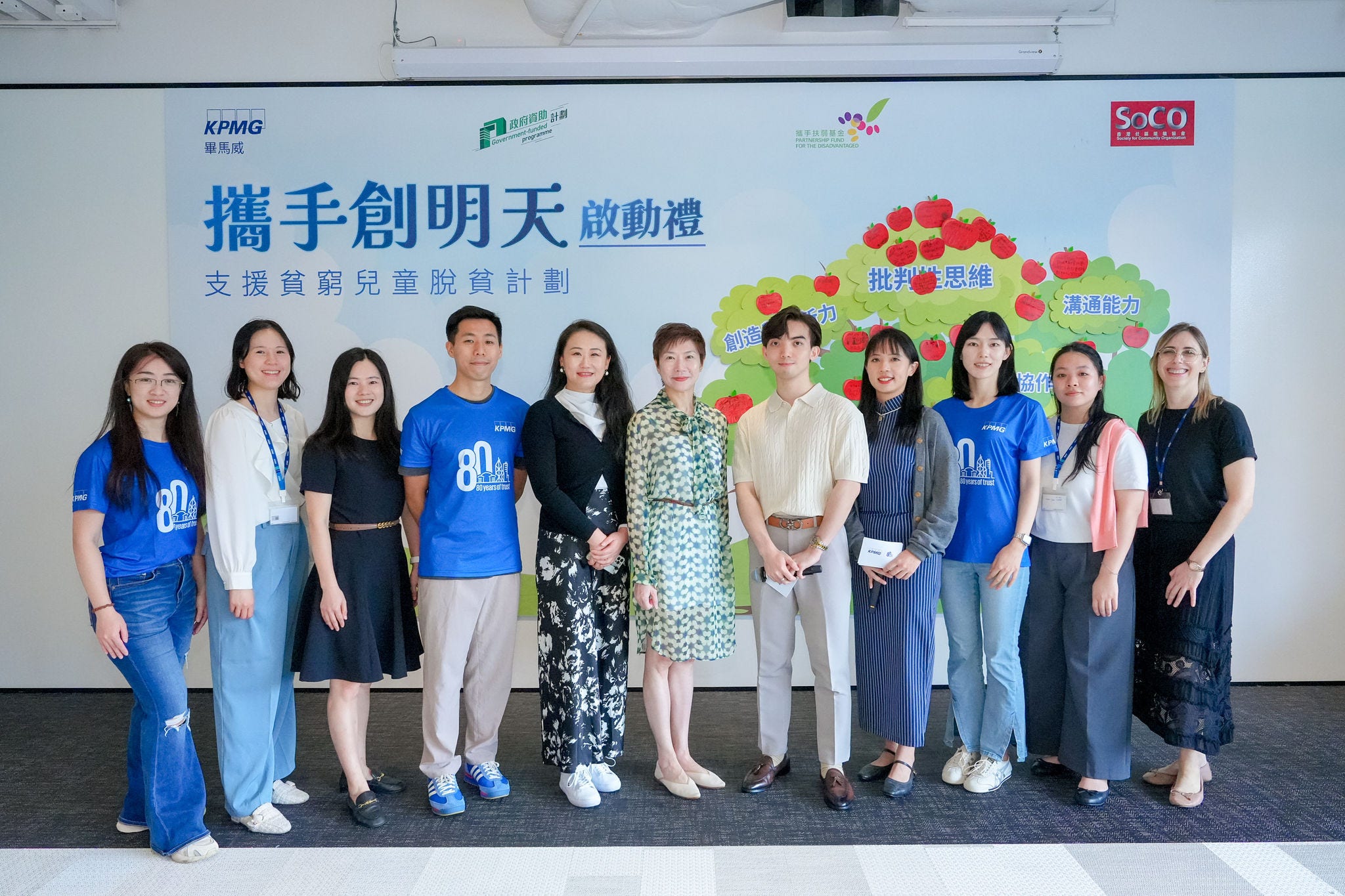
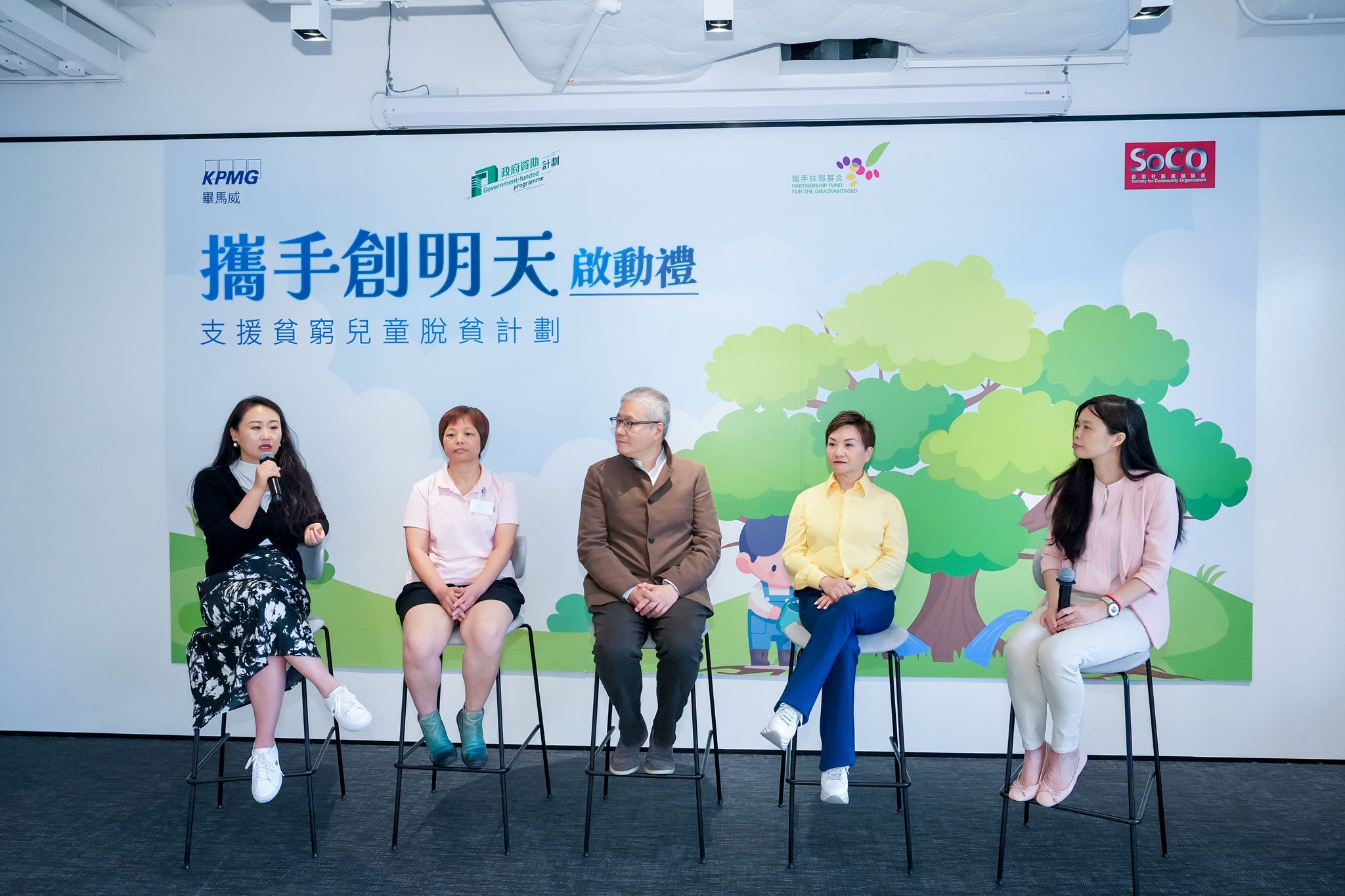
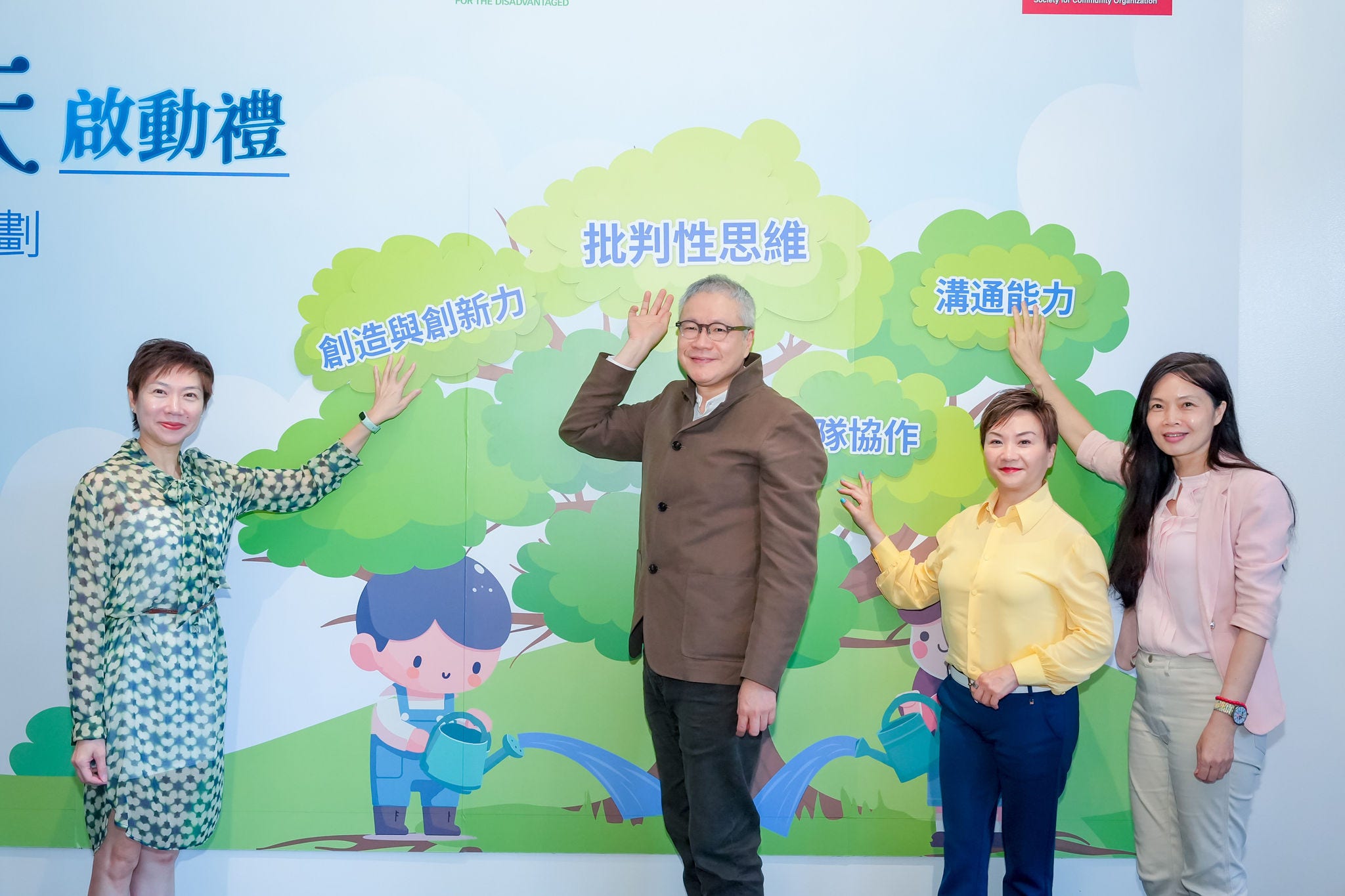
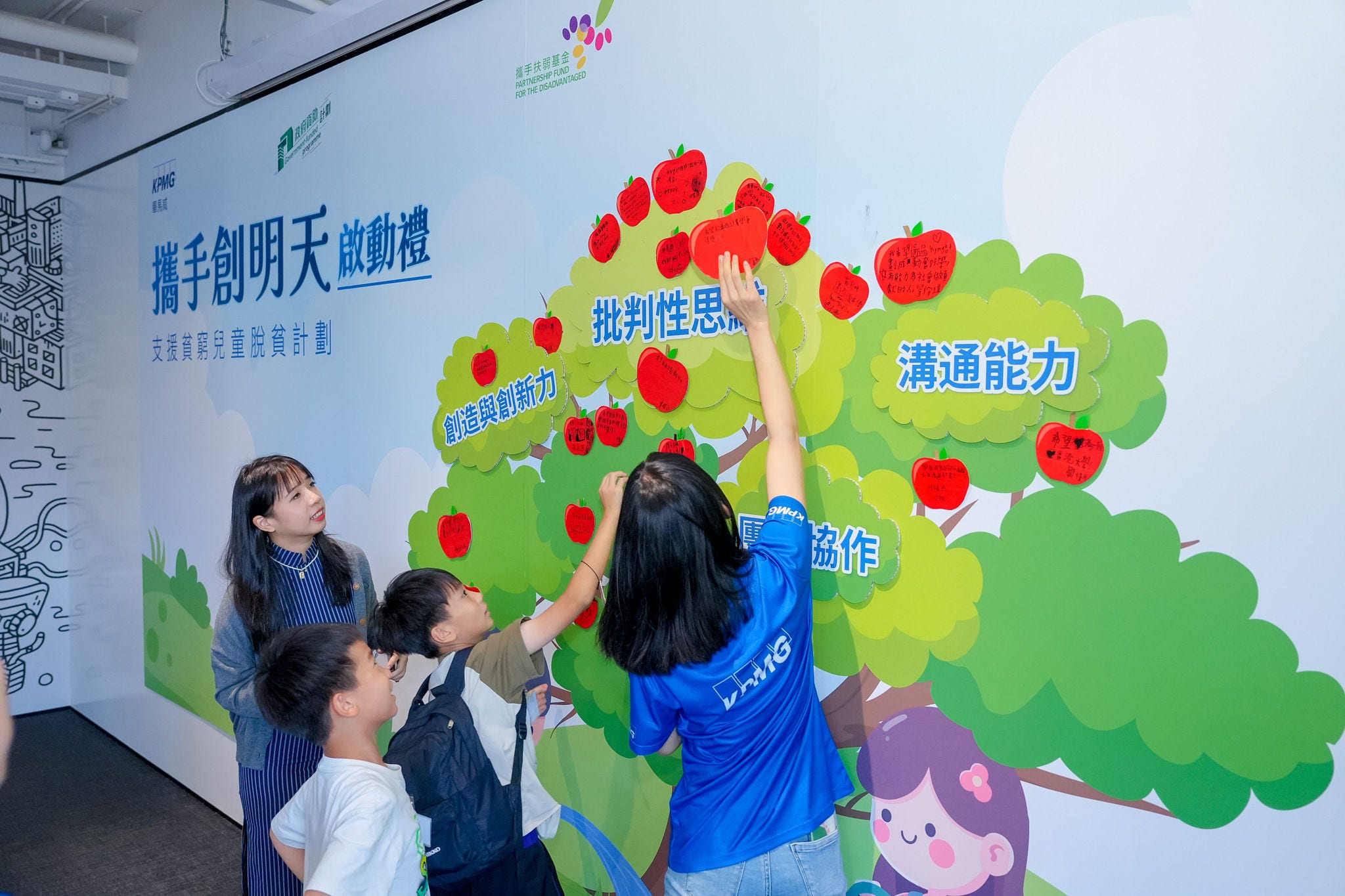
KPMG has maintained a deep commitment to local philanthropy and community advancement since establishing its first Hong Kong office in 1945. In July 2025, KPMG and the Society for Community Organisation (SoCO) launched the Supporting the Development of Underprivileged Children programme, building on a 22-year partnership. This three-year initiative equips Hong Kong children with essential 4C skills (Communication, Critical Thinking, Collaboration, and Creativity & Innovation), while also addressing broader needs related to academic development, soft skills, social support, and long-term opportunity.
Following the tragic fire at Wang Fuk Court, Tai Po, on 26 November 2025, KPMG acted promptly to address community needs and support affected residents. The KPMG Foundation donated HKD 1 million to the HKSAR government’s Support Fund for Wang Fuk Court in Tai Po. Additionally, KPMG partners and employees contributed over HKD 510,000 as well as in-kind donations such as household essentials.
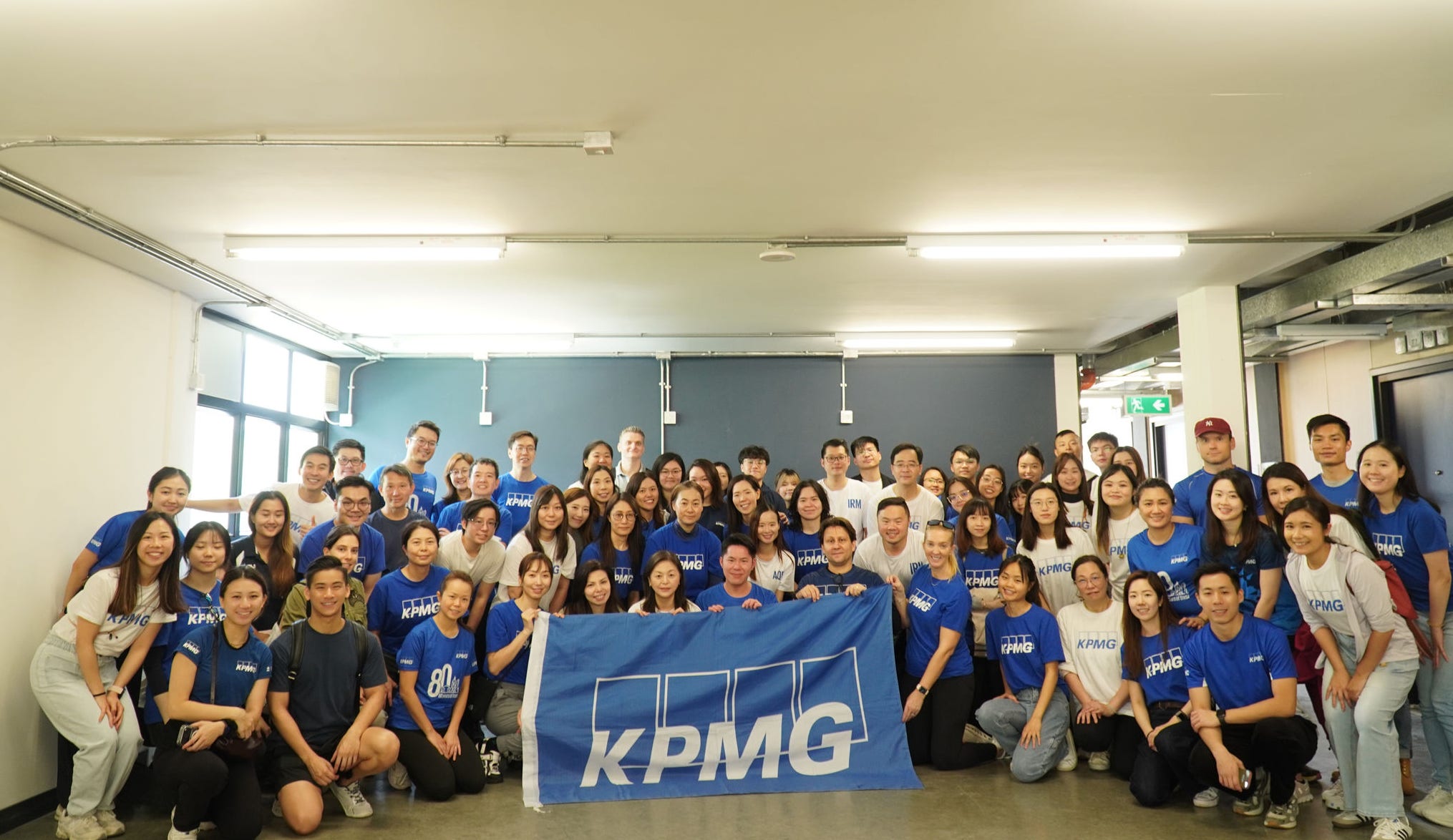
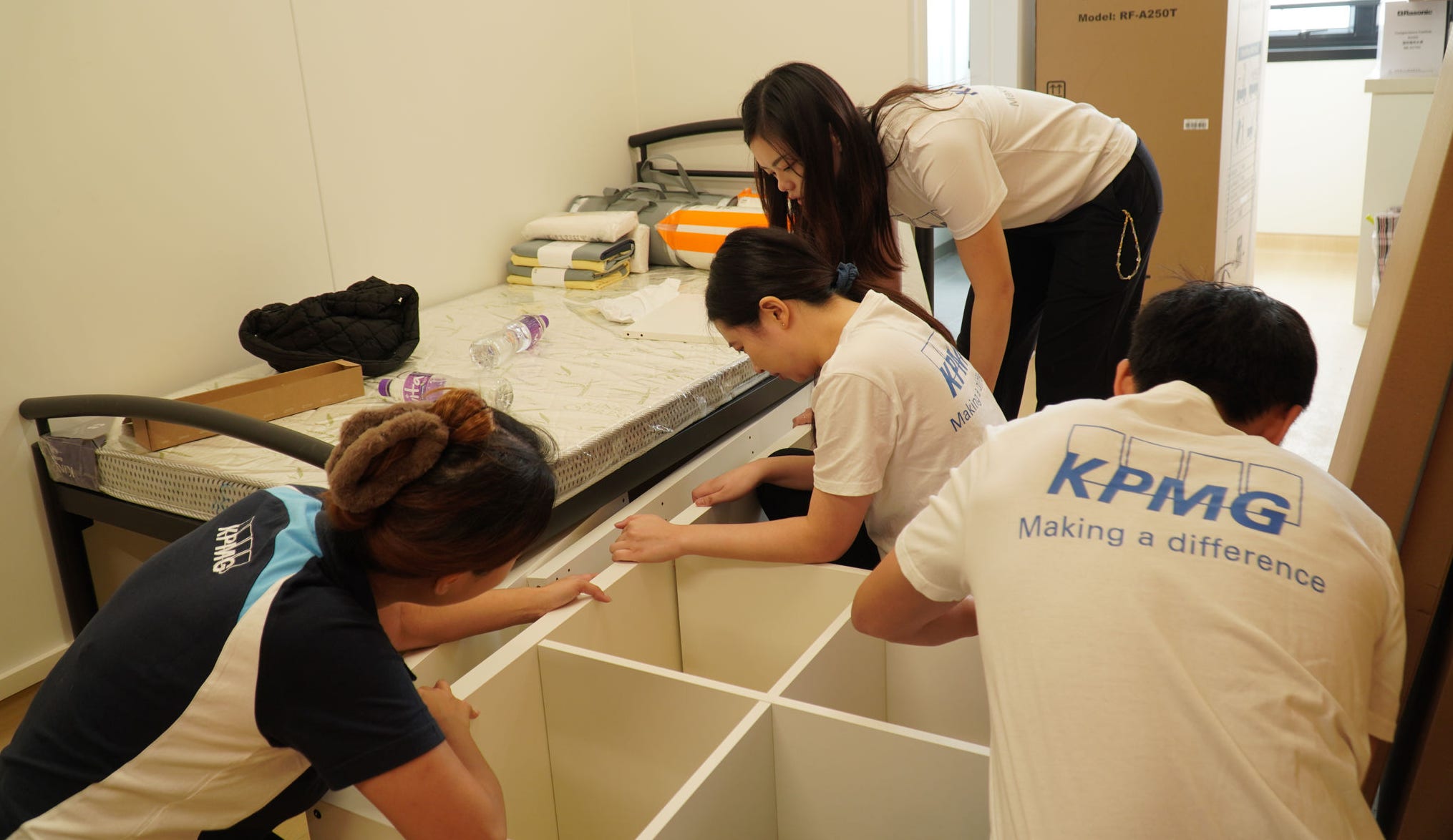
More than 160 colleagues expressed a strong willingness to volunteer, with 68 KPMG colleagues dedicating over 450 hours to the San Tan Transitional Housing Project, assembling furniture in more than 60 rooms and distributing essential goods.
We will continue to work with charitable organisations in Hong Kong to explore subsequent support plans based on the medium- to long-term recovery needs of the community.