

Banking taxes sit at the centre of Europe’s financial system—driving stability, shaping policy, and directly influencing how banks compete and grow. With nearly half of EU member states introducing new bank taxes since 2022, and wide variation in how those taxes are designed and applied, the tax landscape has become a defining force in how institutions manage risk, deploy capital, and build long‑term resilience.
In collaboration with the Association for Financial Markets in Europe (AFME) Bank Taxes in Europe analyses a wealth of research from esteemed supranational bodies such as the IMF and the EU Parliament. Having looked at targeted studies that assess historical tax changes and compare the overall tax burden on European banks to their global counterparts, key findings which are essential for understanding the current European banking tax landscape include:
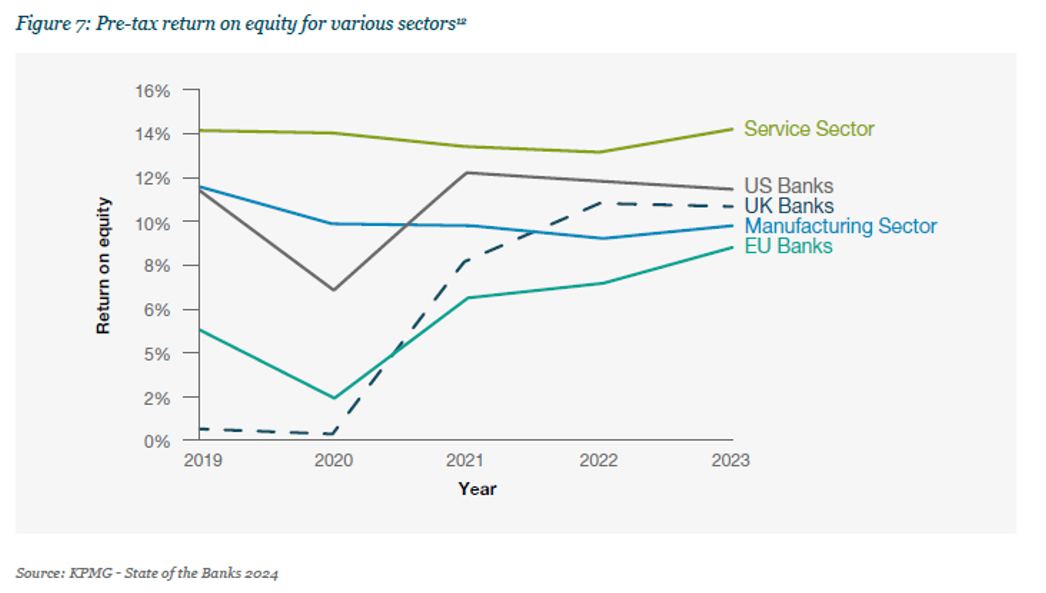
- The return on equity (RoE) for European banks has not reached the levels that would normally justify the implementation of windfall taxes, as indicated by the IMF.
- European bank-specific taxes are higher than those in North America, while their RoE is comparatively lower, as highlighted by both the IMF and KPMG.
- The complexity and frequent changes in bank-specific taxes are detrimental to the EU's competitiveness, a concern raised by the EU Parliament.
- A substantial body of academic evidence suggests that the incidence of most bank-specific taxes may fall on individuals and the broader economy.


Bank Taxes in Europe
Examining the effects of banking taxes on banks, the macroeconomy and competitiveness.
Our tax insights
Something went wrong
Oops!! Something went wrong, please try again

Get in touch
Discover why organisations across the UK trust KPMG to make the difference and how we can help you to do the same.