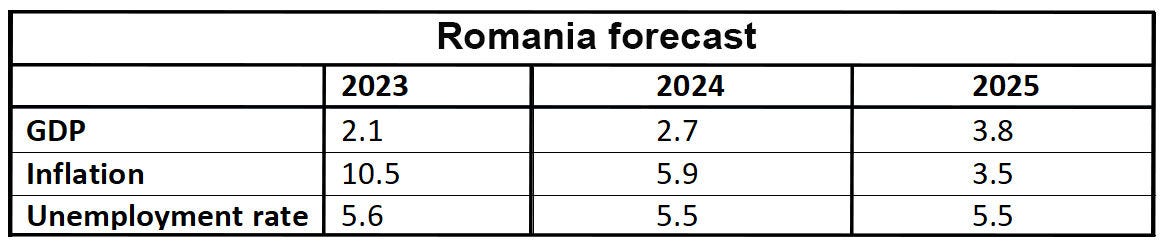
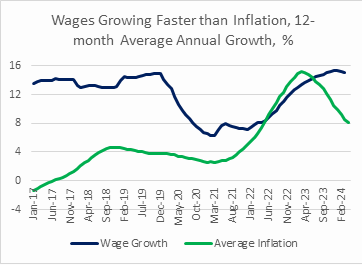
The pace of economic growth is expected to quicken in 2024 to 2.7%, driven by both consumption and investments. But there are risks associated to this scenario. Further increases in wages and pensions this year, corroborated with the expected fall in inflation, should boost real purchasing power for a large number of consumers, thus pushing up consumption. The downside is that all these increases could deepen some of the structural macroeconomic problems, including difficulties in meeting this year’s budget deficit target, and worsen the country’s competitiveness.
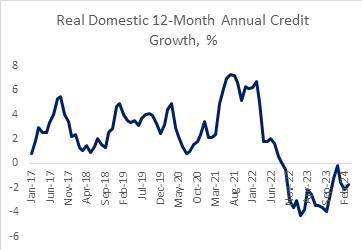
Public sector consumption is expected to remain strong this year. Public sector investments, partly financed by funds coming via the European Union’s Recovery and Resilience Facility, are also envisaged to advance at a swift pace. However, residential construction could fare less well, since it could be hampered by high real interest rates. Overall, the contribution of gross fixed capital formation to economic growth is expected to be less than the year before.