Follow us into the future where hyperautomation is not just a buzzword anymore, but the driving force behind operational efficiency within any organization. Hyperautomation, leveraging the synergy of advanced technologies such as Artificial Intelligence (AI), Machine Learning (ML), and Robotic Process Automation (RPA), holds the potential to automate processes end-to-end, going beyond the constraints of individual tasks. By integrating these tools effectively, organizations can automate their back-office operations and drive significant process improvements and operational efficiency while simultaneously adapting to emerging business requirements, enhance customer satisfaction and loyalty, and elevate their competitive position in the dynamic business landscape of today. Transitioning towards hyperautomation, however, involves considerable challenges.
A successful implementation requires strategic planning, an understanding of the entire customer journey, and alignment of the existing IT infrastructure. These are not just hurdles but critical elements needing precision, coordination, and robust governance to unlock hyperautomation's full potential. An effective Center of Excellence is the key enabler for structured and robust governance. More than just a steering committee, the CoE facilitates and accelerates the practical application of hyperautomation. It is a dedicated team that identifies automation prospects, oversees project design and implementation, ensures adherence to best practices, and aims for alignment with broader organizational goals, all the while fostering operational excellence.
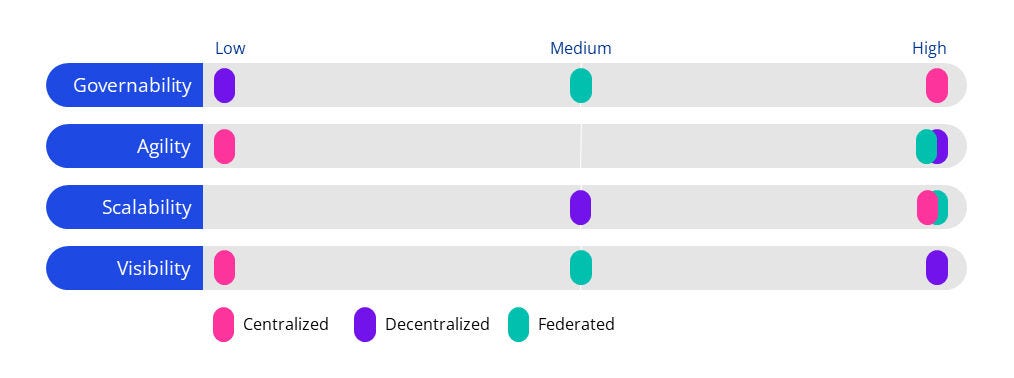
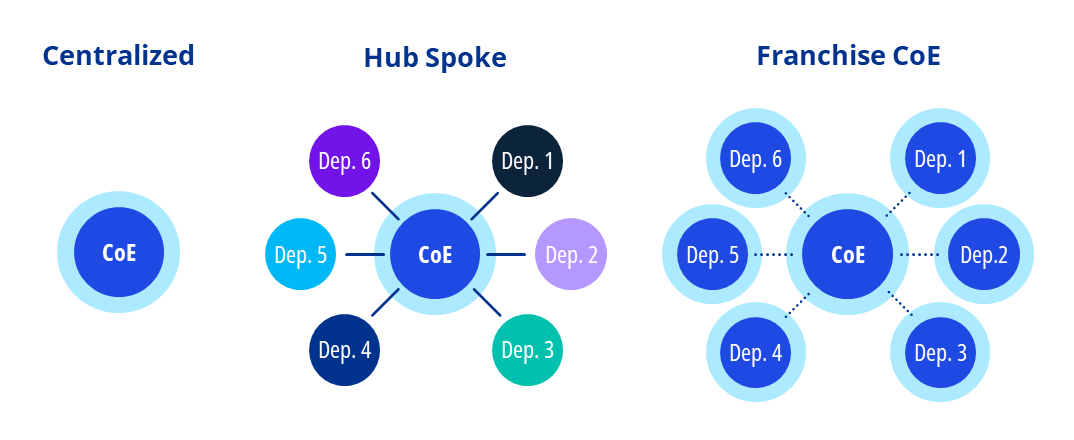
At KPMG, we believe that setting up an automation CoE is critical to enabling successful automation initiatives. A CoE helps organizations in optimizing their automation initiatives, identifying and prioritizing opportunities for automation, selecting the right tools and platforms, developing effective governance structures, and providing necessary trainings to members of the team. In addition, a CoE is also an excellent vehicle to coordinate change initiatives throughout an organization. It stimulates change by effectively embedding automation efforts within the organizational structure, promoting the exchange of best practices, enhancing control mechanisms, and accelerating speed and return on investment. CoEs come in various forms, such as centralized, decentralized, or even federated models, each with distinct roles and responsibilities. Irrespective of the selected type, it is essential to harmonize with the specific requirements of the organization, with factors such as structure and size influencing what the most appropriate form is. Read on and uncover the intriguing distinctions among various CoE types, while gaining insights in how automation strategies can be optimized.