Dive into the insights and highlights from the KPMG Banking Horizons 2025 conference – designed to help you stay future-ready and prepared for what’s next in the banking industry. From emerging trends to strategic innovations, these takeaways will guide you in navigating change and unlocking new opportunities.

      To discuss what this means for your organisation, connect with our experts.

      Daniel Rech

      Partner, Banking Market Leader

      KPMG in Luxembourg


      The frontier firm is emerging – an organization where human expertise and AI-powered digital agents work together to deliver faster, more intelligent and more trusted outcomes.

      At KPMG, our focus goes beyond technology. It’s about reshaping how we create value – combining human judgment, data and artificial intelligence to enhance decision-making, elevate the client experience, and strengthen trust in every engagement.
       

      What defines the frontier firm

      A frontier firm seamlessly integrates people and technology to deliver smarter, faster and more trusted outcomes.

      • Digital agents support professionals in real time, accelerating research, analysis and documentation.
      • Human insight remains central – guiding, validating and interpreting what AI produces.
      • AI governance ensures every output meets KPMG’s standards of quality ethics and accountability.
      • This powerful blend of human intelligence and machine precision enables new levels of agility, assurance and foresight.
      •  

      How KPMG helps organizations get there

      1.  Responsible AI and governance
        We assist clients in integrating digital agents into daily workflows, freeing people to focus on creativity, relationships, and strategic decisions.
      2. Human-AI operating models
        We assist clients in integrating digital agents into daily workflows, freeing people to focus on creativity, relationships, and strategic decisions.
      3. Data and technology foundations
        Our specialists in data, cloud and analytics ensure that AI systems are secure, scalable, and compliant, delivering insights you can rely on.
      4. Talent transformation
        We guide leaders through the cultural and capability shifts needed to thrive in an AI-enabled world – reskilling teams and redefining what great performance looks like.
      5. Strategy and foresight
        With deep industry knowledge and global reach, KPMG helps boards and executives anticipate disruption and position their organizations to lead in the frontier economy.
         

      Human and digital – working together for better

      The frontier firm represents a new balance of innovation and integrity. It’s where human empathy, ethical judgment and creativity meet the scale and speed of AI.

      At KPMG, we’re helping clients across industries turn this vision into reality – building firms that are more trusted, resilient and future-ready.

      Contact us

      Gianni Segoloni

      Director, Digital Services & Technology, Microsoft Alliance Lead

      KPMG in Luxembourg

      How are the C-suite and Board of Directors being challenged by the competent authorities?


      ECB and CSSF on-site inspections show regulators are testing how ICT governance and resilience work in practice. Institutions face deep reviews of their decision-making, risk management and operational readiness. Supervisors now expect the C-suite and Boards to demonstrate direct control and understanding of ICT and cyber resilience. Senior leaders are interviewed and assessed on governance maturity, accountability, and their ability to steer under scrutiny.


      How to prepare for assurance of third-party ICT providers


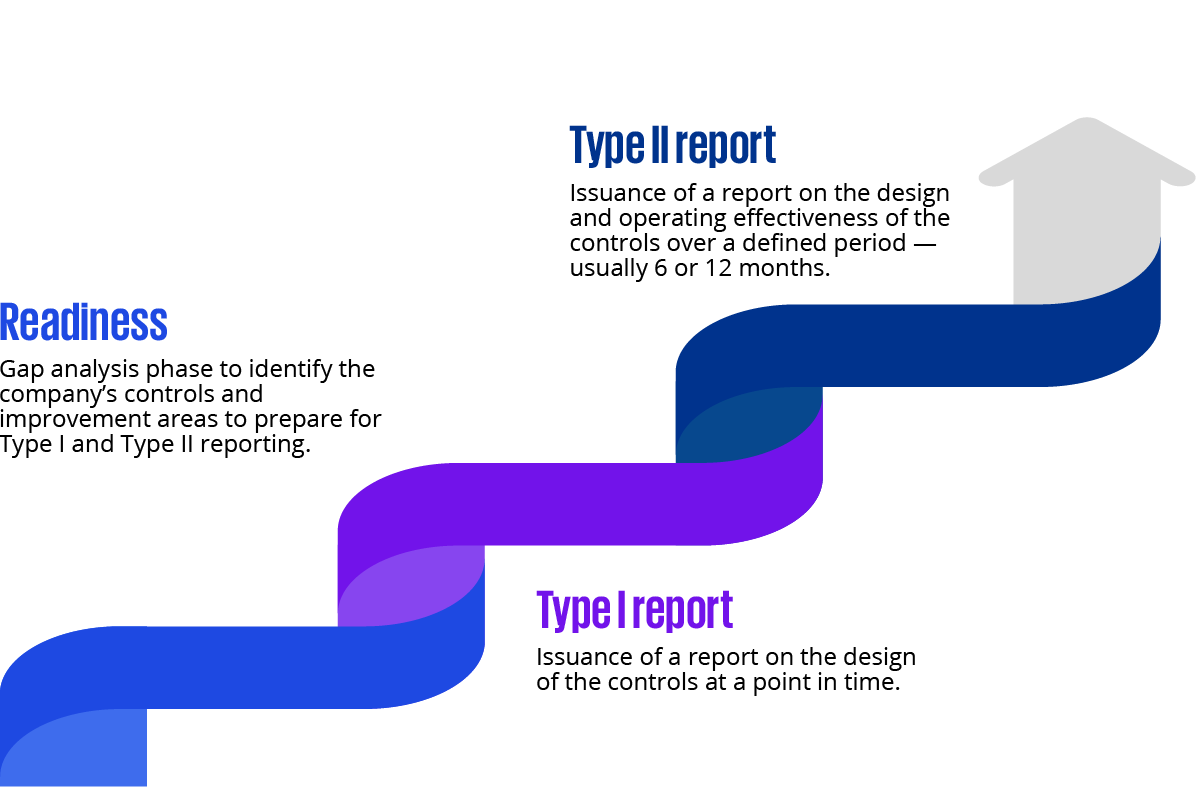
      A typical assurance journey entails:

      • Readiness assessment: An internal/external gap analysis to identify what controls you have and what’s missing relative to SOC 2 or ISAE 3000 and DORA obligations.
      • Type I report: Attests to control design “at a point in time.” Useful as a first step and for initial compliance signals.
      • Type II report: Attests to the operating effectiveness of controls over several months, which is most relevant for regulatory and client trust.

      Facing an on-site inspection? KPMG supports you to prepare, perform and progress. Learn more about preparing for IT on-site inspections, key focus areas and best practices for demonstrating operational resilience in the DORA era in our insights: DORA Oversight and IT on-site inspections in the DORA era.

      Contact us

      Onur Özdemir

      Partner, Information Risk Management

      KPMG in Luxembourg

      Sustainable IT is an essential lever for reducing climate impact, particularly for service companies. Our approach integrates sustainability into the core of your business, turning IT from a cost center into a center of controlled performance and innovation.
       

      The three pillars of sustainable IT action

      • Extend the lifespan of your equipment, promote refurbishment and implement a responsible recycling program to reduce material impact and costs. This involves raising team awareness about the care and management of their equipment.
      • Put an end to "digital obesity" by deleting unnecessary data and optimizing storage. This involves training employees in better digital hygiene (managing emails, files, etc.).
      • Adopt eco-design practices to develop and choose applications that are less resource-intensive. This requires supporting development teams in acquiring these new skills. First steps on sustainable IT
         

      First steps on sustainable IT

      Measure to manage
      • Conduct a diagnostic of the current IT footprint, providing a clear baseline.
      • Identify the main “hotspots”
      • Set relevant priorities and monitor progress effectively
      Engage to empower
      • Build awareness across the organization by engaging with teams to explain the Sustainable IT concept and how everyone can contribute through good practices.
      • Foster a culture of responsibility and accelerate the adoption of more sober digital habits.
      Strategize to win
      • Define a clear strategy by building a roadmap of actions to optimize IT hardware and software across their entire lifecycle.

      KPMG experts are here to guide your journey, assess your Sustainable IT maturity and help you develop a clear action plan and strategy.

      Contact us

      Julie Castiaux

      Partner, Sustainability Lead

      KPMG in Luxembourg

      Europe’s AML and CTF framework is entering a new phase with the forthcoming AML Package, which will introduce directly applicable rules across all Member States and raise supervisory expectations. At the same time, client onboarding remains a central operational challenge.

      Institutions face heightened scrutiny on risk assessment and data quality while striving to deliver a seamless and competitive client experience. Balancing regulatory rigor with operational efficiency has never been more complex.

      Understanding how these two dynamics interact is essential for anticipating the next steps in compliance strategy: what has to be changed, what can be optimized, and where institutions may face pressure points.

      Contact us

      Giovanna Giardina

      Partner, Advisory – Risk Consulting

      KPMG in Luxembourg

      On 8 October 2025, the Finance Ministry presented the 2026 budget bill to the Chamber of Deputies and made some announcements for the future. Notably, the government wants to continue to support the corporate market (incl. financial players).

      • Investment incentives: Draft carried interest regime and planned 1% CIT rate cut for 2027.
      • Investment tax credit: Since 2024, 18% credit on digital transformation investments and operating costs (6% for depreciable tangibles, complementing the 12% global credit).
      • DAC8 and crypto reporting: Draft law released July 2025; expected entry 1 January 2026; first reporting by 30 June 2027 (FY2026), aligned with CRS/AML.
      • E-invoicing and VAT: B2G mandatory since 2023; no B2B mandate yet – monitor possible consultations in 2026.

      Contact us

      Edouard Fort

      Partner, Tax

      KPMG in Luxembourg

      Impact on the banking sector

      euro

      Finance

      Pillar Two increases deferred tax complexity and potential volatility in ETR.

      troubleshoot

      Risk and Compliance

      Heightened control expectations; need for auditable governance evidence.

      group

      Clients

      Greater transparency needs; impact on crypto and ESG product offerings.

      developer_board

      Operations and tech

      Data integration and automation required for DAC8, Pillar Two and VAT.

      query_builder

      Timing

      2025–2026 is critical to prepare systems and governance for regulatory review.

      Next Steps

      percent

      Tax governance

      Conduct substance and governance checks on all of your Luxembourg entities in order to ensure full compliance and identification of any risks for your business.

      warning_amber

      Be ready for your Pillar Two obligations

      Pillar Two GIR (transition year FY2024) due by 30 June 2026; registration due by 30 June 2026 for calendar-year groups with registration and notification to be done – data quality and consistency across sub-funds/branches under scrutiny.

      transform

      Digital transformation projects

      Be sure to assess eligibility for the 18% investment tax credit and establish proper governance

      T+1 in Europe – Navigating uncharted waters


      After the US market transitioned to T+1 settlement in May 2024, it is now Europe’s turn to undertake this transformative shift in securities processing by October 2027. As preparations get underway, it is becoming evident that the old continent is not only more diverse but may also reveal some unforeseen challenges for the asset management sector
       

      T+1: Europe‘s transformative shift in securities settlement


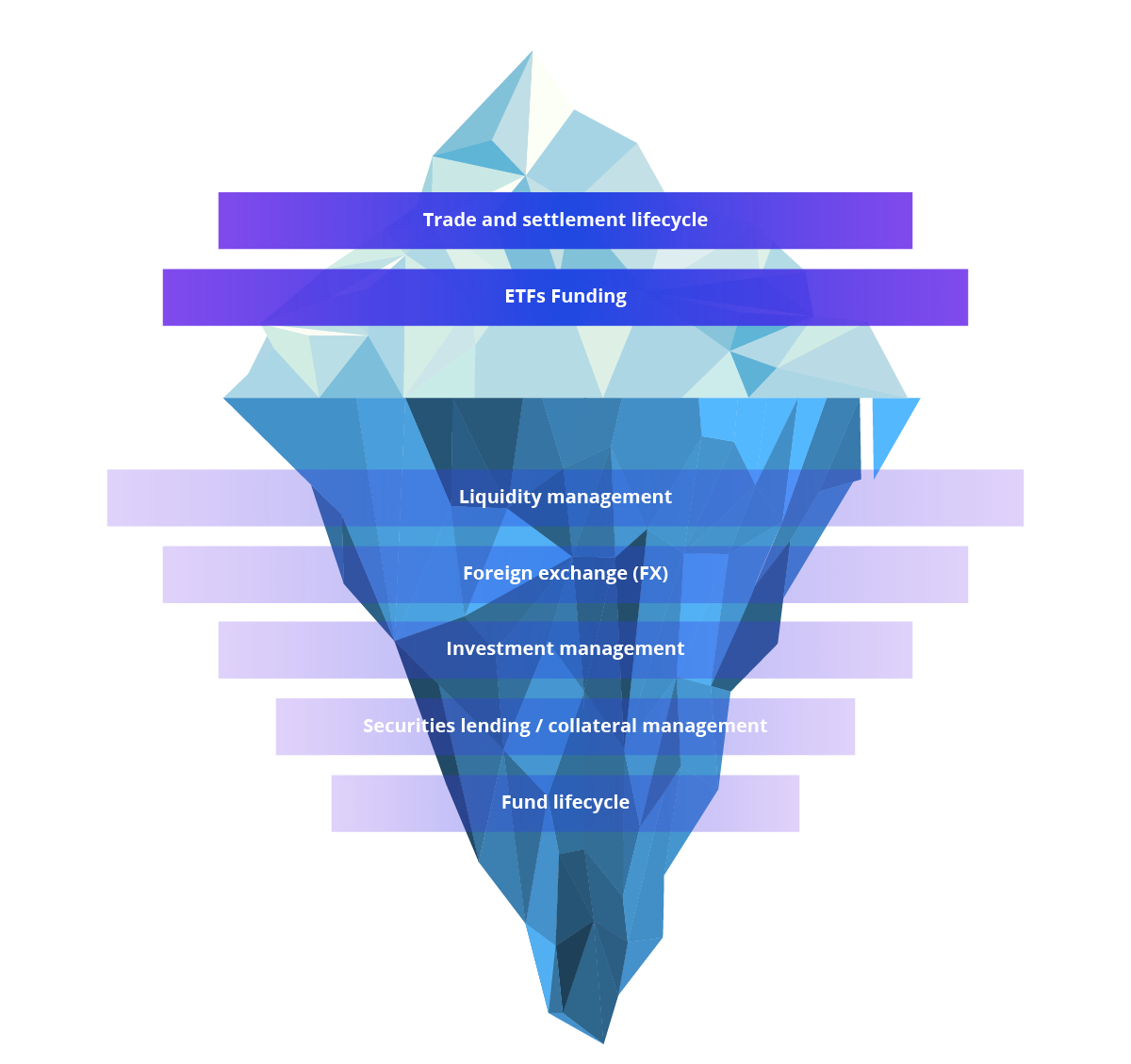
      Following the lead of the US and other financial markets, the European Securities and Markets Authority (ESMA) has proposed moving from the current T+2 to a T+1 settlement cycle, with 11 October 2027 set as the target implementation date in the European Union. This initiative is being coordinated with both the UK and Switzerland, which plan to adopt the new regime on the same day, marking a significant step forward in enhancing market efficiency across the continent. The regulatory framework for this transition will be established through an update to the Central Securities Depositories Regulation (CSDR). It is important to note that while almost all publicly traded securities will fall within the scope of T+1, traditional investment funds are currently excluded, as – apart from Exchange Traded Funds (ETFs) – they are generally not listed on official trading venues.


      Navigating Europe’s complexities


      While the advantages of T+1 settlement are evident, the transition also presents significant challenges. Despite substantial harmonization efforts in recent years, Europe’s financial landscape remains a patchwork of fragmented regulatory frameworks, diverse national market practices, and distinct infrastructural characteristics. In contrast to the relatively uniform securities market in the US, Europe comprises multiple trading venues, central counterparties (CCPs), payment systems, and central securities depositories (CSDs), each with its own unique features. Furthermore, the presence of nine different currencies (including the UK and Switzerland, but excluding Bulgaria) adds complexity, creating an immediate need to enhance foreign exchange (FX) processing capabilities well beyond the current recommendations of the EU T+1 Industry Committee.

      The transition to T+1 settlement marks a pivotal moment for Europe‘s financial markets. As the continent stands on the brink of this transformative shift, the imperative is clear: preparation and coordination are key. Market participants must act now, reviewing processes, investing in technology, and ensuring compliance with the new settlement cycle. With concerted efforts across the EU, UK, and Switzerland, the transition to T+1 can be seamless and impactful, ushering in a new era of financial efficiency and security.

      Regulatory: KPMG Solution for capital savings


      Basel IV
       represents a significant shift in banking regulation, introducing new requirements aimed at enhancing financial stability and risk management within the global banking sector. One of the new amendments is the introduction of an output floor, which aims to control the variability of risk-weighted assets resulting from internal models. On the other hand, private insurance may struggle to keep pace with growing risk transfer demand, and banks will eventually exhaust their credit limits on the most active credit insurance companies. This is where captive structuring comes in, offering multiple benefits that range from cost optimization to direct access to the reinsurance market.

      SRB expectations on valuation capabilities

      In April, the SRB published the Expectations on Valuation Capabilities (EoVC) to enhance banks' operational readiness for resolution:

      • Principle 5 of the SRB’s Expectations for Banks requires banks to maintain management information system capabilities to provide up-to-date, complete data for fair, prudent, and realistic valuations.
      • To operationalize this, the SRB developed the EoVC, which significantly expand upon previous requirements (i.e., VDS 2020), based on market feedback and experience in real-life cases.
      • The EoVC are very comprehensive – 189 pages, structured into six chapters plus seven annexes.
      • They are designed to ensure that the required information is available to the SRB and the independent valuer on a permanent basis.


      Call to action – Expectations on Valuation Capabilities

      • Valuation Data Index: New collection of documents across 40+ subject areas, including audit and risk reports, business plans, internal valuation models, etc.
      • Valuation Data Set Comprehensive revision of previous VDS 2020 data requirements (220+ new data fields, new data model, validation rules, etc.)
      • Valuation PlaybooksDetails on valuation self-assessment, internal valuation capabilities and governance framework.
      • Data Repository for ResolutionPermanent data room to store and maintain VDI-related information in line with SRB requirements


      Covered entities

      • Resolution Entities (REs) and Relevant Legal Entities (RLEs) within banking groups.
      • Entities that are credit institutions.
      • Entities domiciled in jurisdictions within the Banking Union.
      • Intermediate holding companies that play a role in the group structure.

      Given the scope of the EoVC, external expertise will be essential. Recognizing the scale of this initiative, we have a three-year period for its full rollout.

      Contact us


      Gianfranco Mei

      Partner, Advisory

      KPMG in Luxembourg


      Related content

      KPMG supports a variety of industry conferences. We look forward to seeing you.

      Regulations, capital requirements & evolving technologies are among the challenges currently facing the banking sector. KPMG has innovative solutions.

      Deliver transformative business value by aligning strategy with innovative technology, modernizing operations, optimizing processes, and empowering teams through scalable, secure and human-centered solutions.

      Navigating the complex world of technology is challenging. Amidst the abundant hype, the necessity to innovate and adopt digital solutions at pace intensifies. Let’s set you on the right path.