The tenth edition of our annual Hong Kong Employment Outlook analyses Hong Kong’s latest employment trends and explores the prospects of the local talent market for 2026.

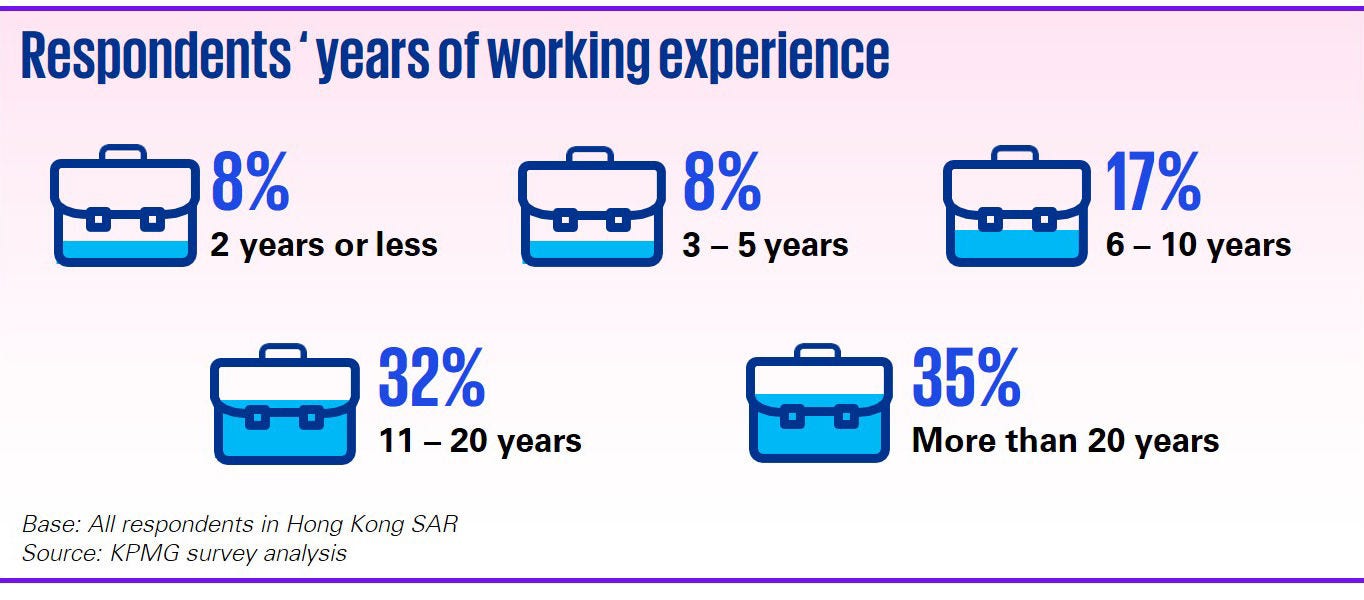
      This year’s findings are based on insights from our subject matter experts and a survey with Hong Kong business executives and professionals, drawing on the perspectives of 281 business leaders and professionals across a diverse range of sectors.


      About the Survey

      Conducted between 12 and 25 January 2026, the survey gathered insights from 281 Hong Kong business executives and professionals on employment trends and career opportunities in Hong Kong. 

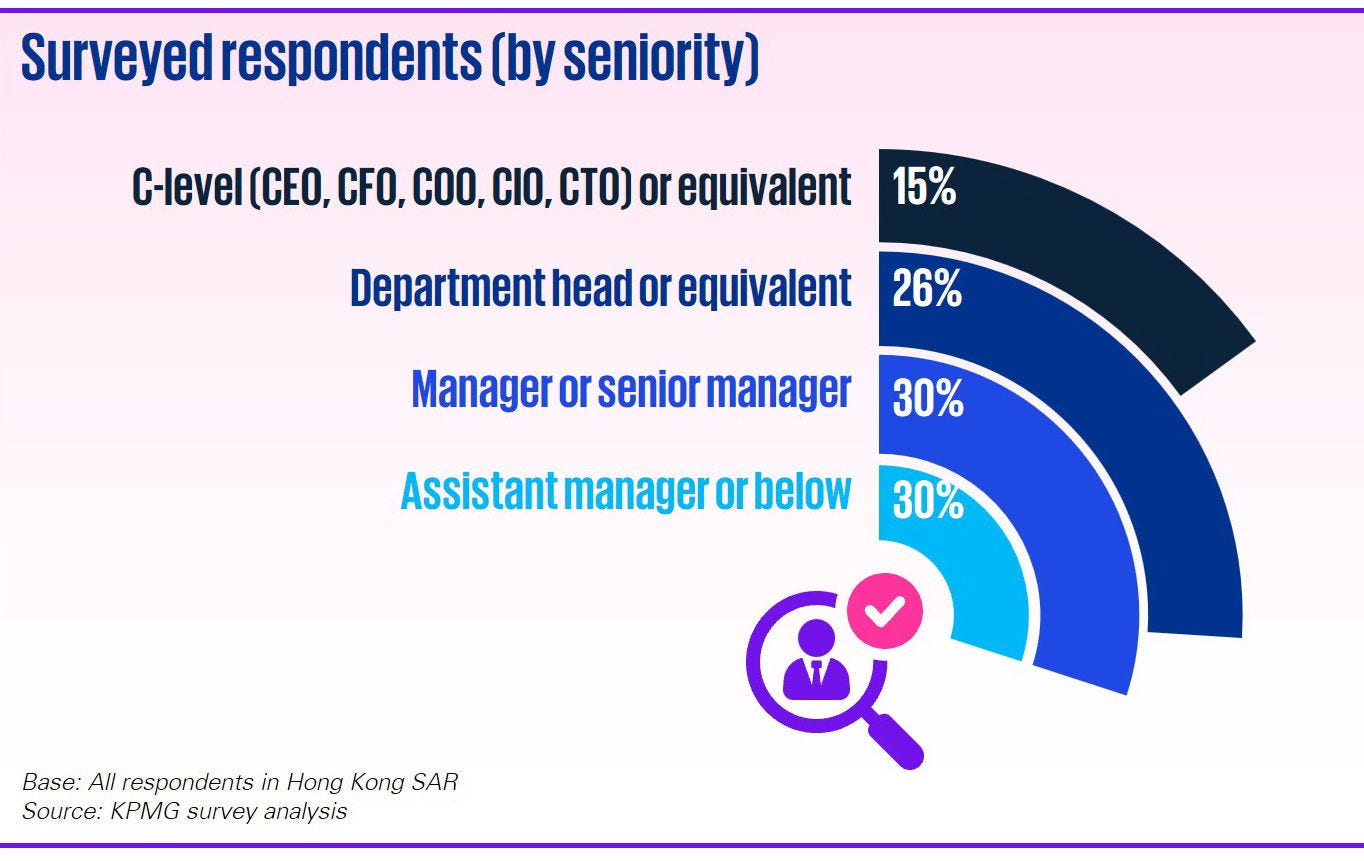
      Respondents represented organisations within a wide range of sectors, with 60% headquartered in Hong Kong. Among the respondents, 41% held senior leadership positions (15% C-level and 26% department head or equivalent).


      Executive summary


      Market Outlook

      Employers are cautious, amid economic uncertainty, cost pressures, and ongoing automation and restructuring efforts.


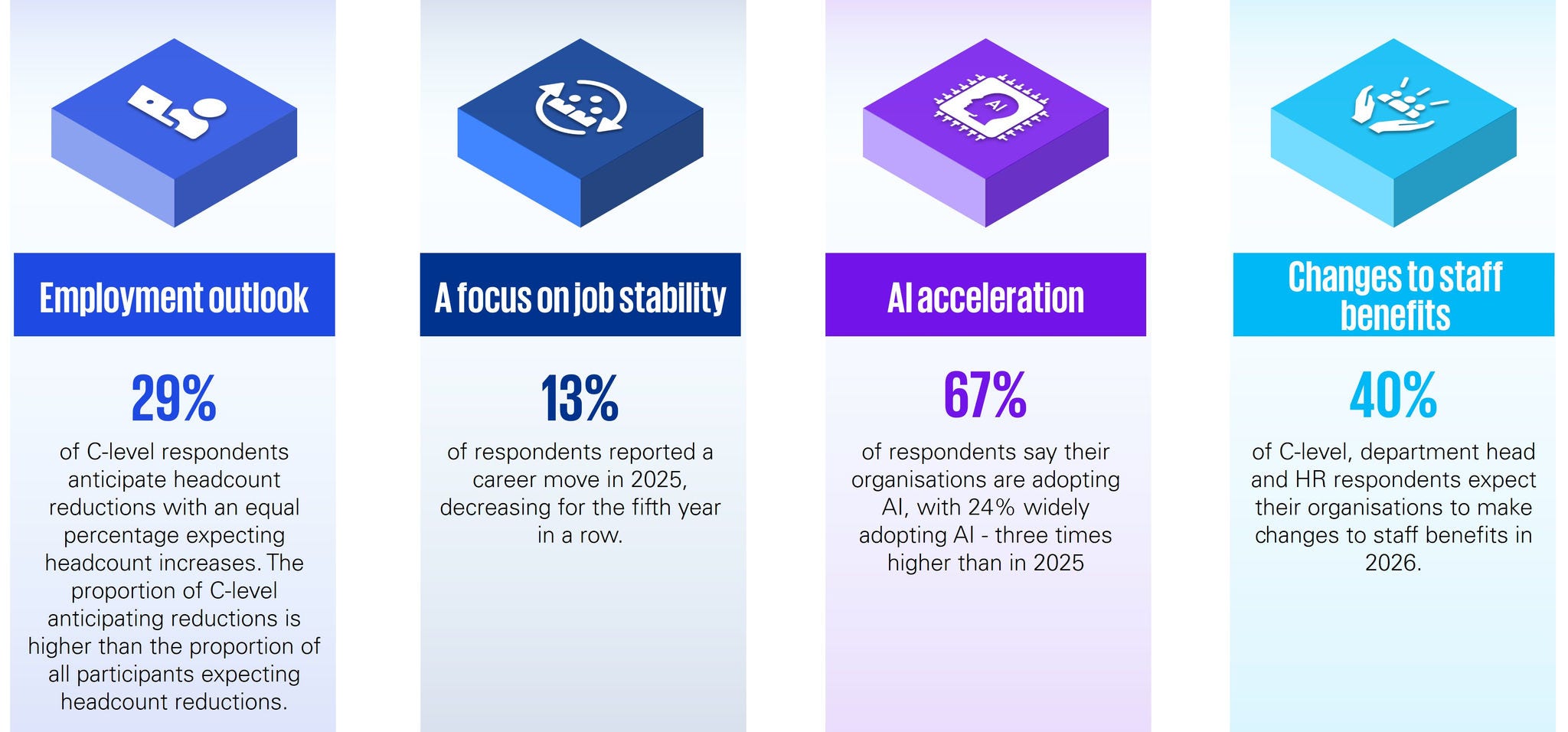
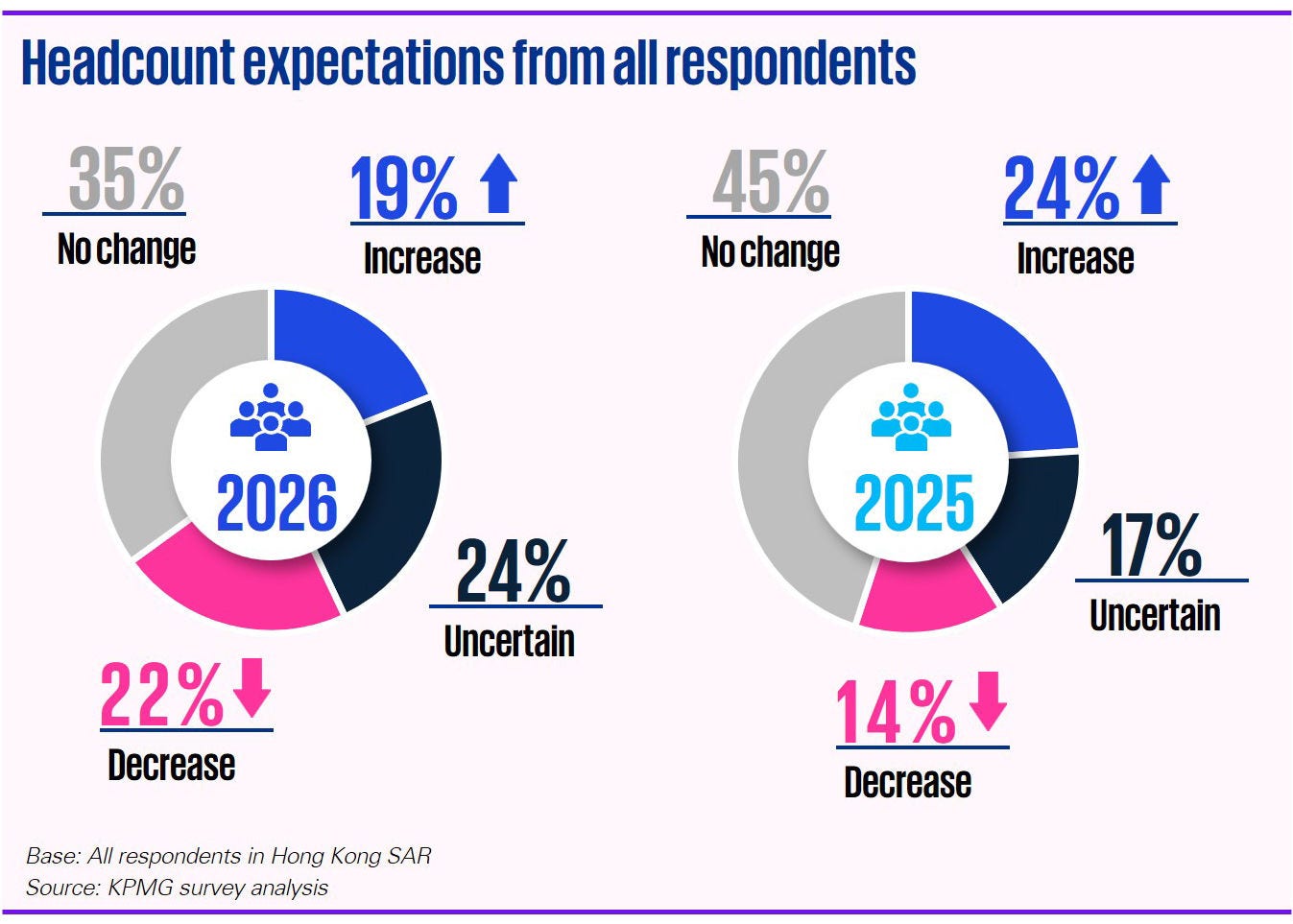
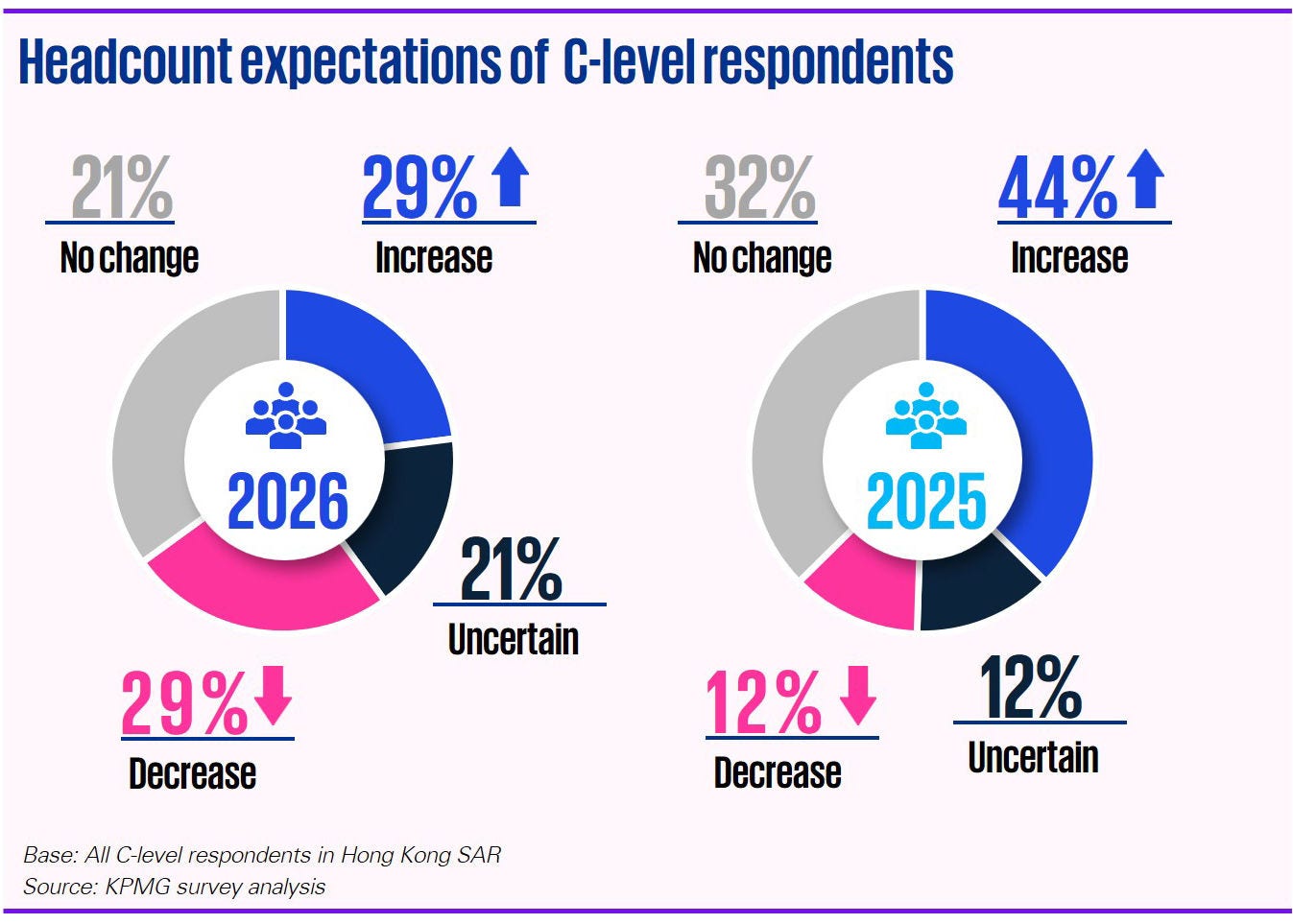
      22% of respondents expect headcount decreases– a significant rise compared to previous years. Only 19% are expecting increases in headcount, representing the lowest in recent years, and this figure continues to decrease across most sectors, as employers prioritise hires in sales and fee-earning roles, reflecting a focus among employers on revenue generation.


      AI acceleration

      As AI projects move beyond their experimental pilot phases, AI literacy is crucial to remain competitive for employees and organisations alike.


      Pace of AI adoption

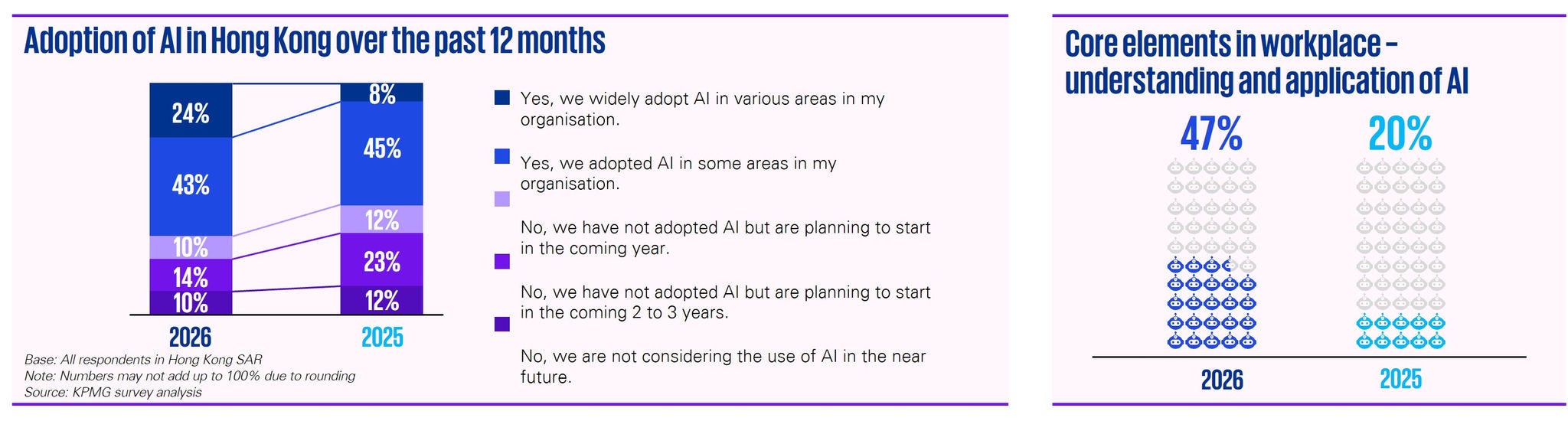
      AI adoption is accelerating in Hong Kong, with 24% of organisations widely deploying AI in 2026, three times higher than in 2025. As a result, understanding and applying artificial intelligence has become the most crucial skill for employees across all sectors and seniority levels.


      Challenges when integrating AI

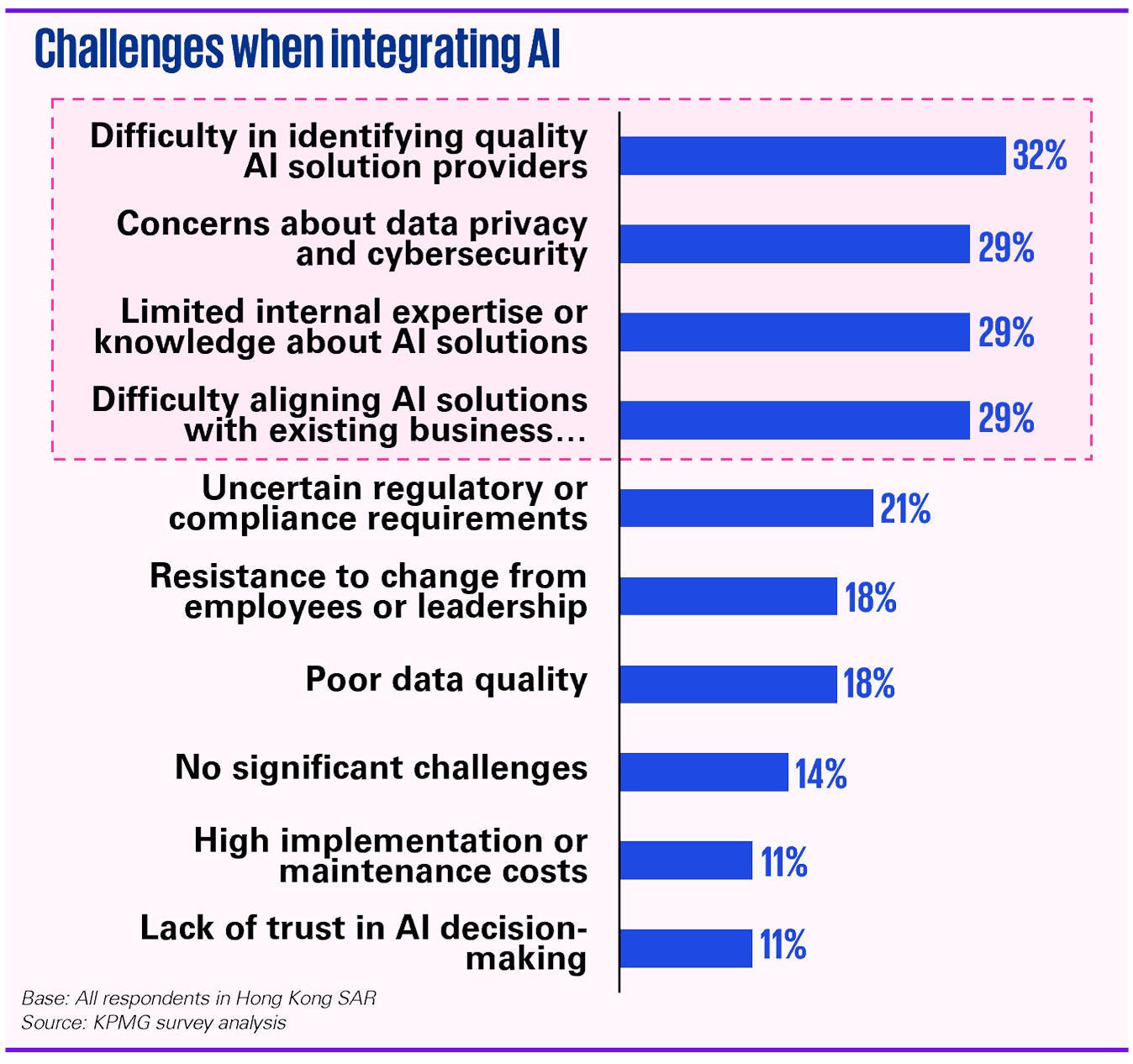
      Identifying quality AI solution providers amid a crowded market remains a key challenge for Hong Kong organisations, alongside concerns on data privacy & cybersecurity, limited internal expertise on AI solutions, and aligning AI with existing business processes.


      Compensation Trends

      Employees are taking a cautious approach to job hunting.


      Career moves in 2025

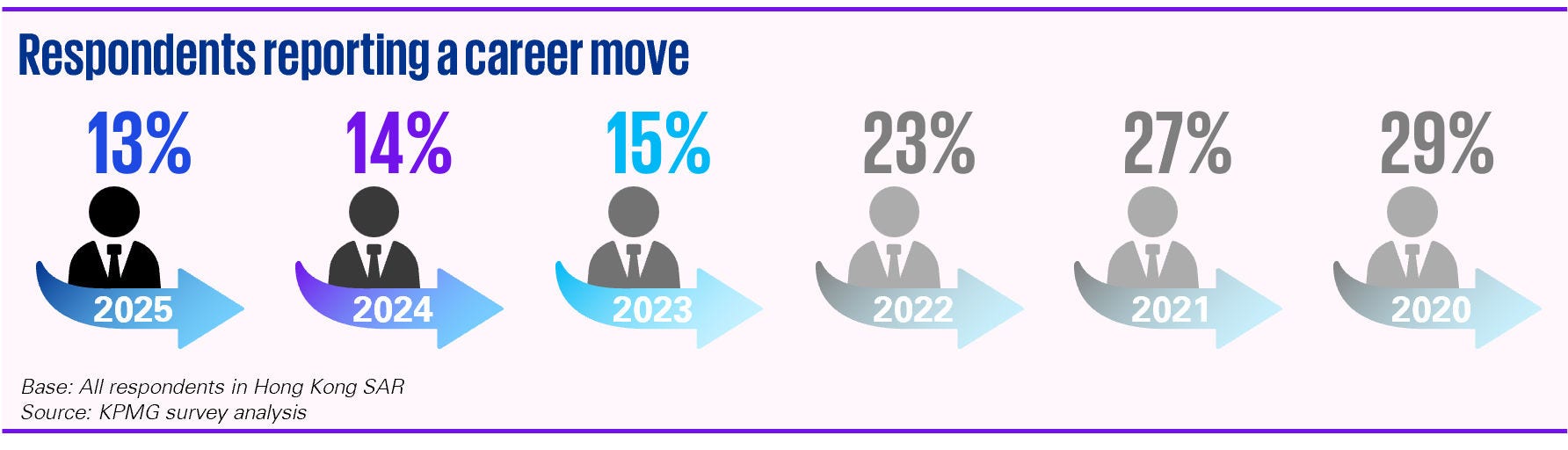
      13% of respondents reported securing new employment in 2025, maintaining a similar level to the last two years across major industries including IT, the public sector, consumer markets and financial services. 75% of those who made a career change also saw a salary increment, up 9% from 2024. 


      Career moves in 2026 - Outlook

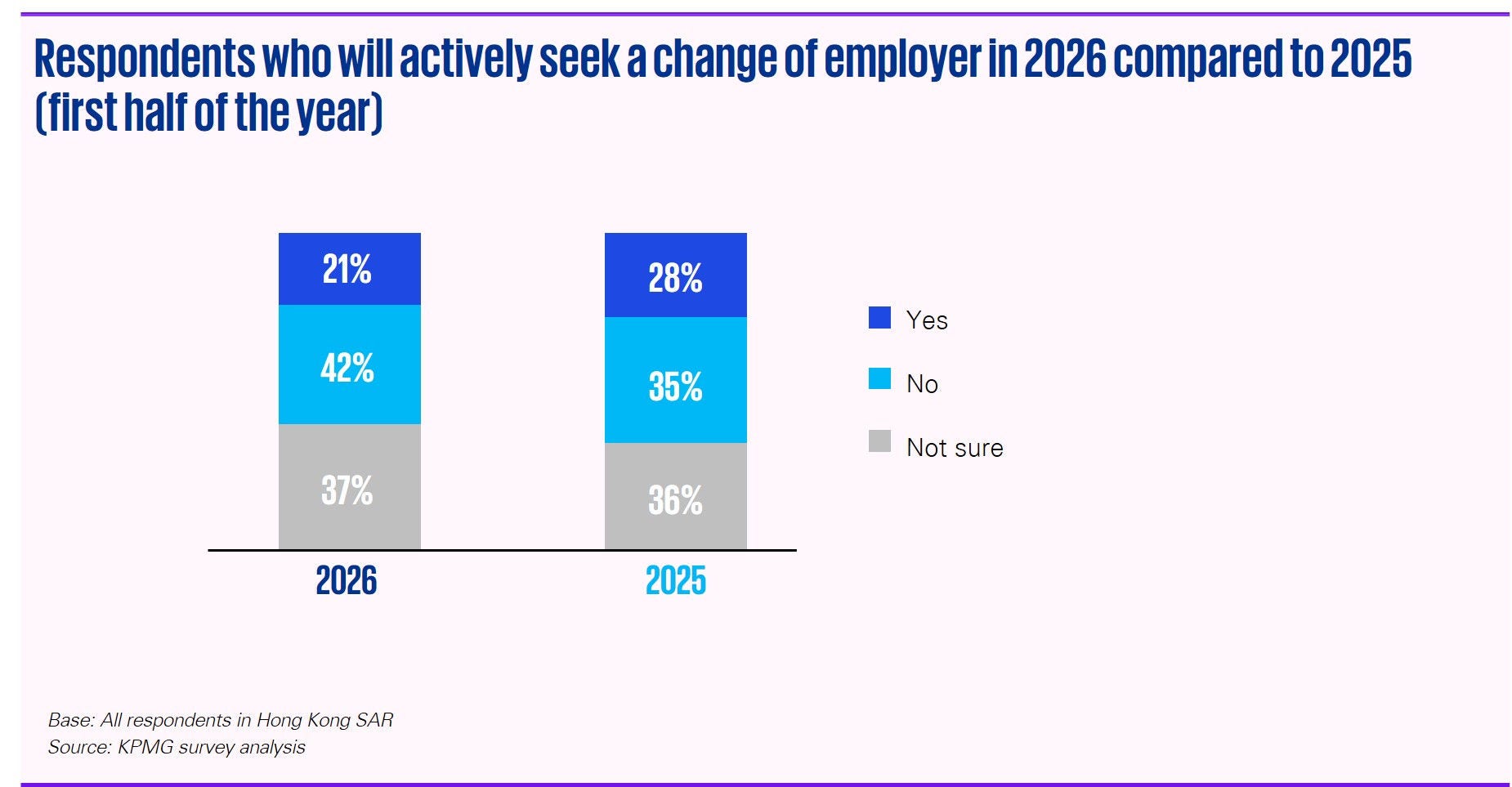
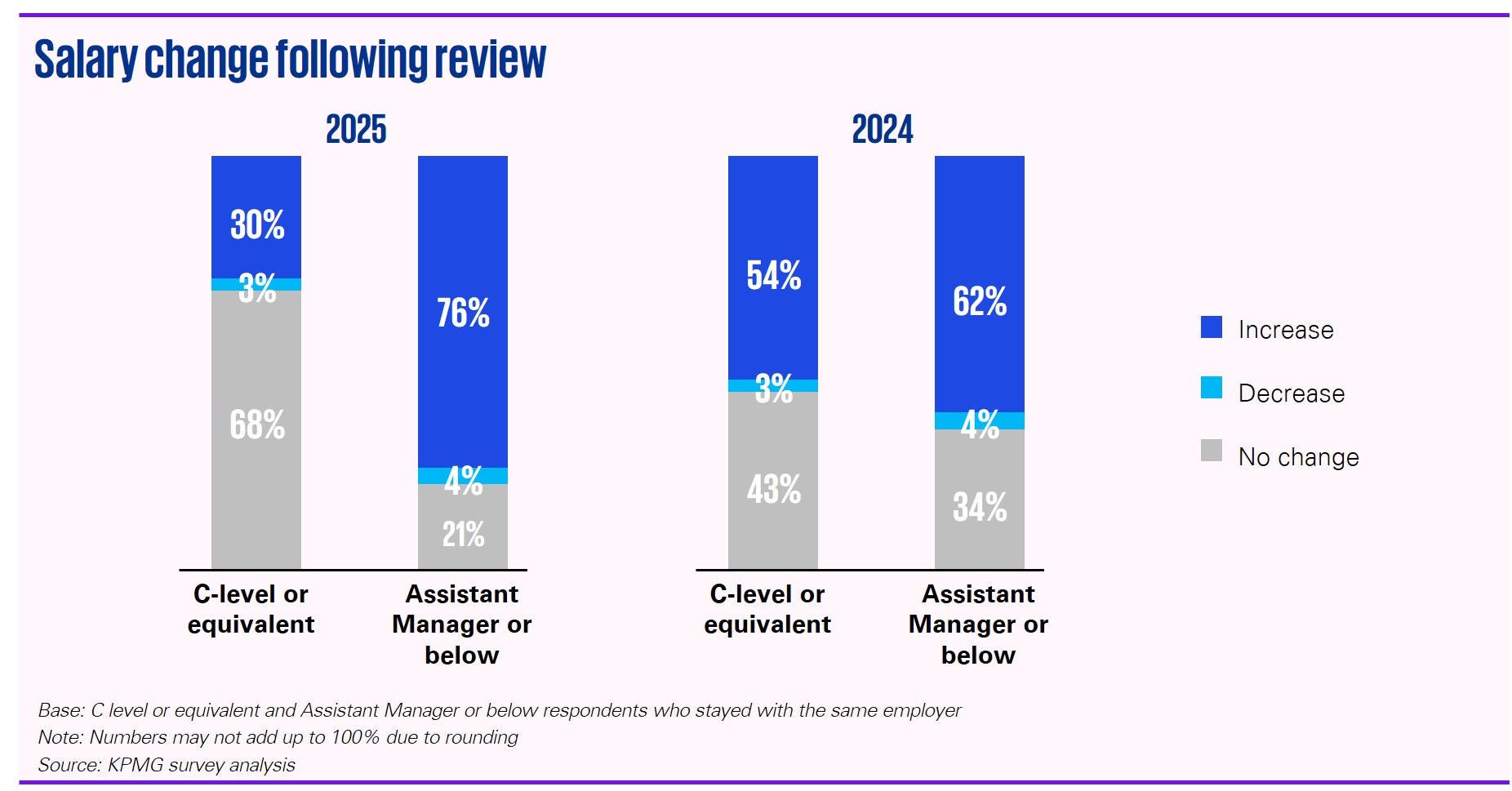
      21% of respondents are thinking about changing careers in 2026, down from 28% last year. With 63% respondents who stayed with the same employer seeing a salary increment, the workforce is seen to be adopting a ‘wait-and-see’ approach to finding a new role.


      Talent Management

      As organisations look overseas for talent, local employees seek stability and engagement.


      Talent engagement

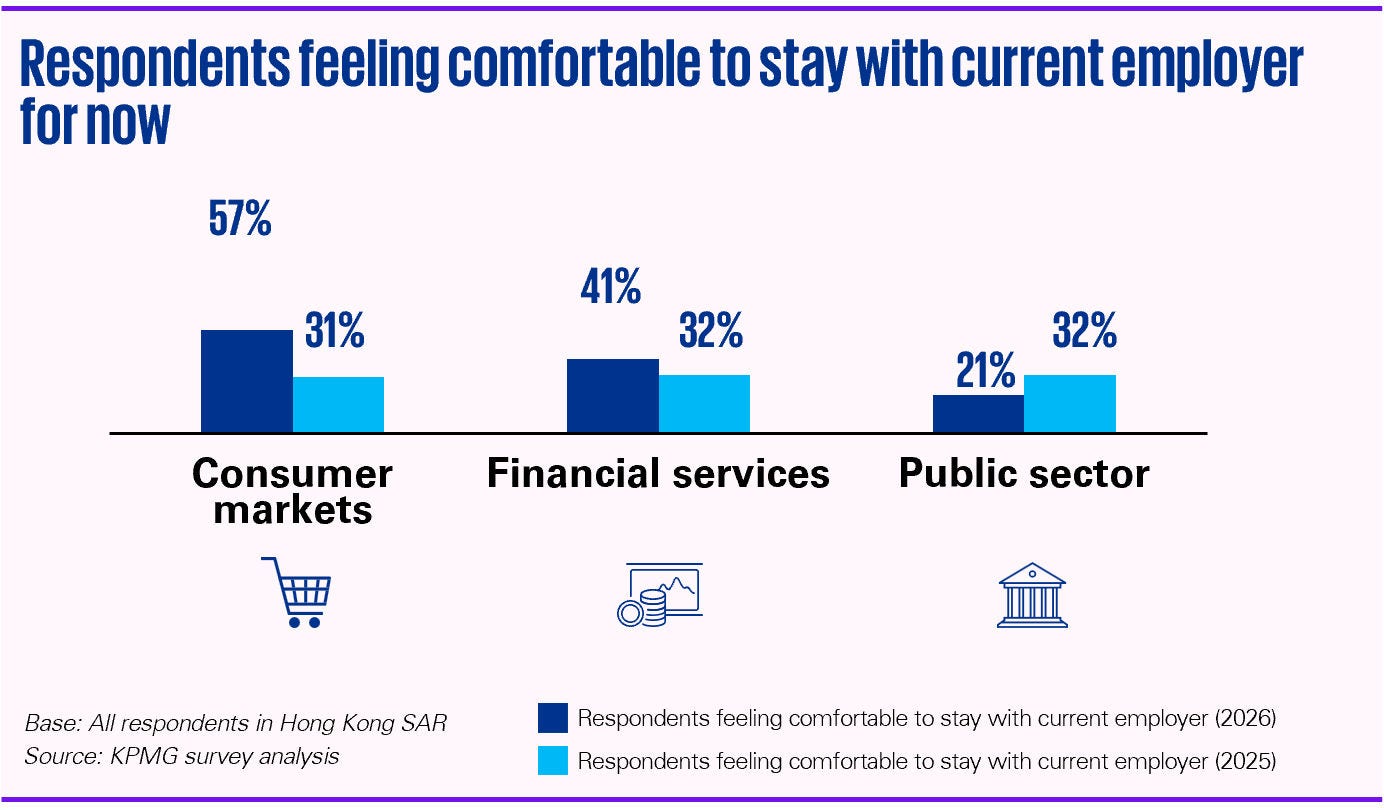
      Overall, 36% of respondents feel comfortable to continue working for their current employer. ​Employee intention to stay is increasing within consumer markets (57%) and financial services (41%), whereas retention in the public sector may wane (21%).

      Talent retention

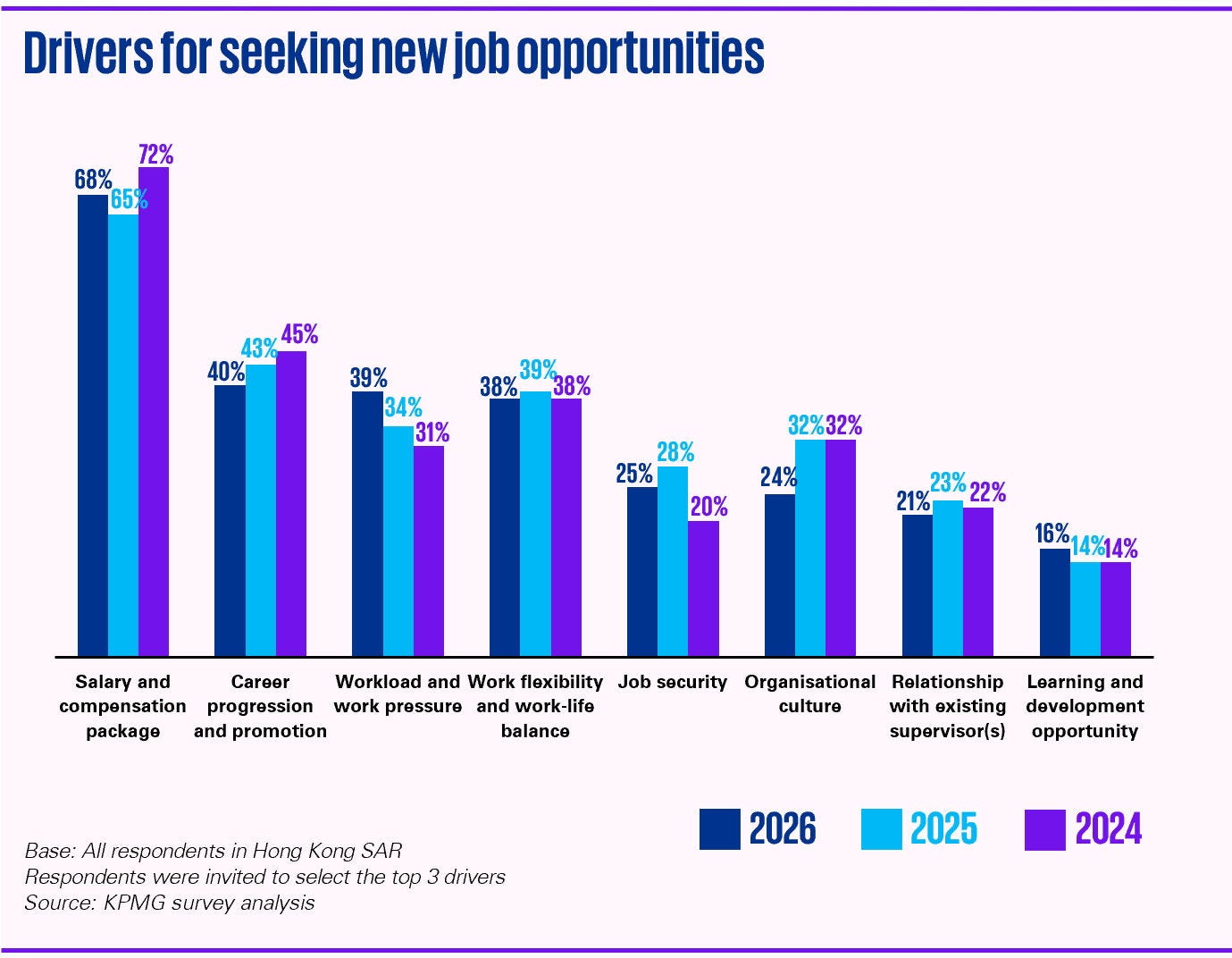
      Since 2023, compensation package, career progression, and work flexibility have remained the top drivers for employees who intend to switch jobs. With rising workloads and pressure from workforce reductions and role consolidation, junior staff are prioritising a convenient work location over organisational culture. 

      Talent attraction

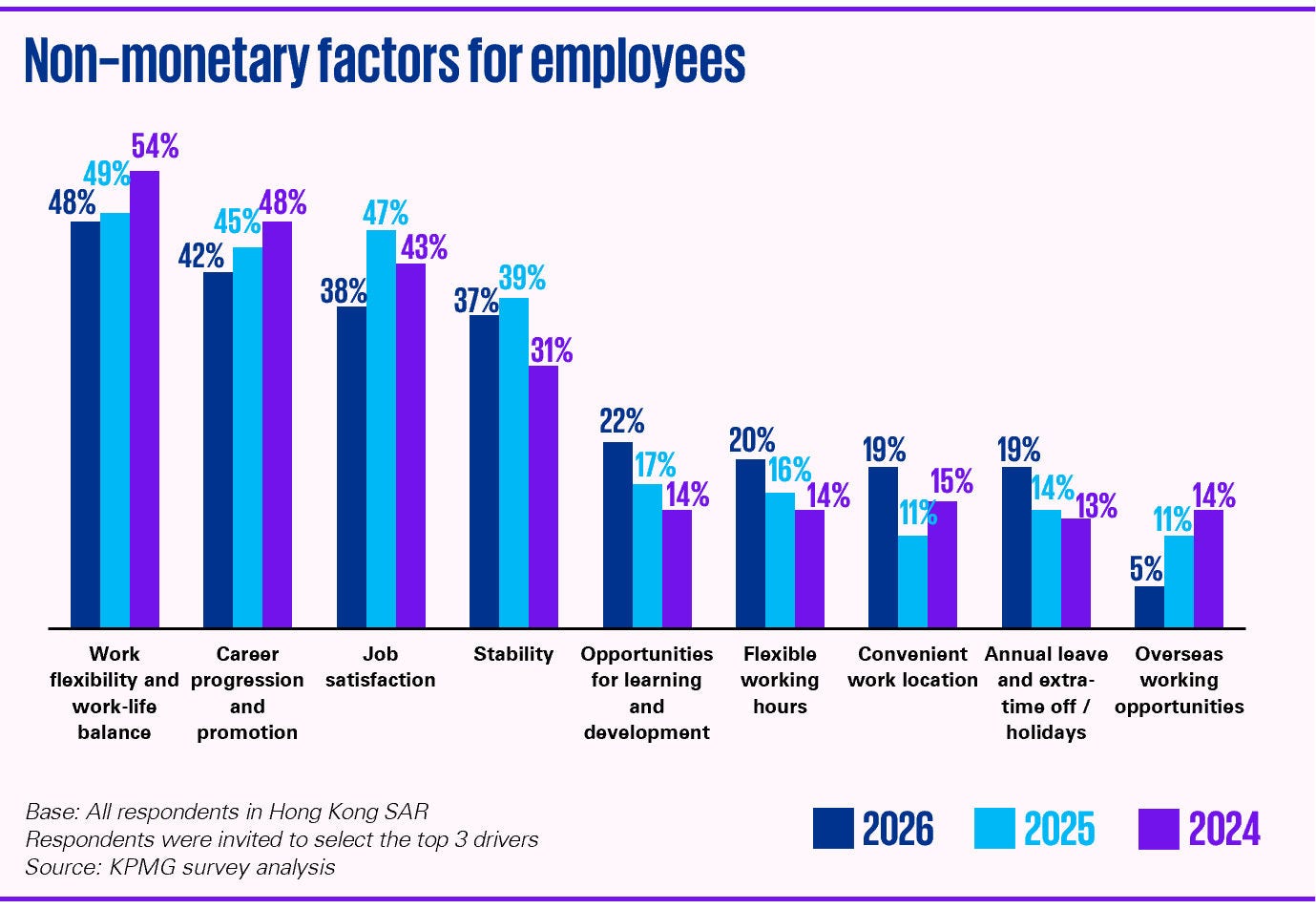
      Work flexibility, career progression, and job satisfaction continue to stand out as the top three non-monetary factors that employees prioritise when considering new opportunities. However, job satisfaction has seen a significant decline, dropping from 47% last year to just 38% this year.

      This report explores shifting employee priorities, highlights the growing emphasis on work flexibility, stability, and work-life balance, and provides employers with actionable insights to better attract talent in a ever-competitive market.

      Talent sourcing

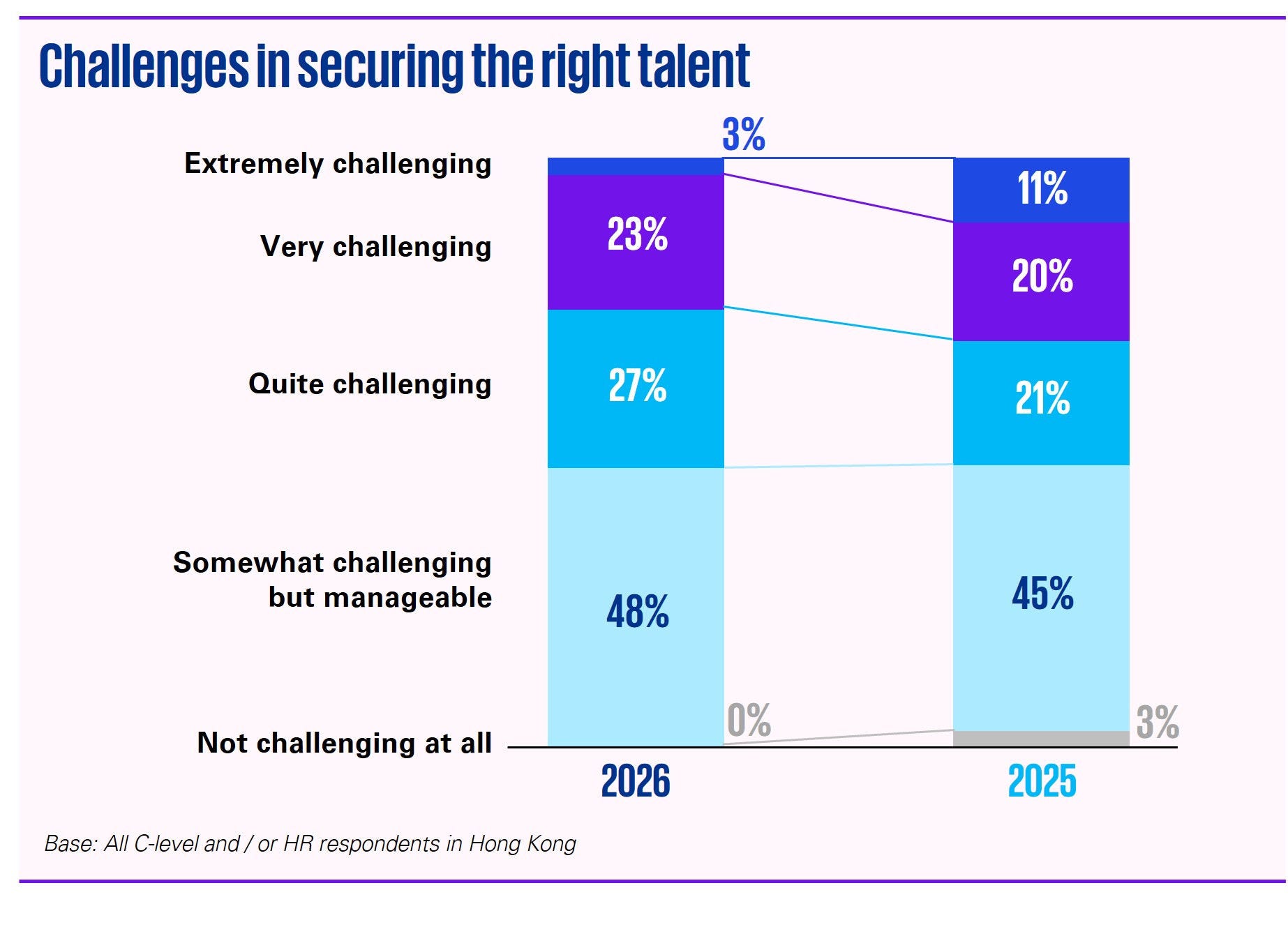
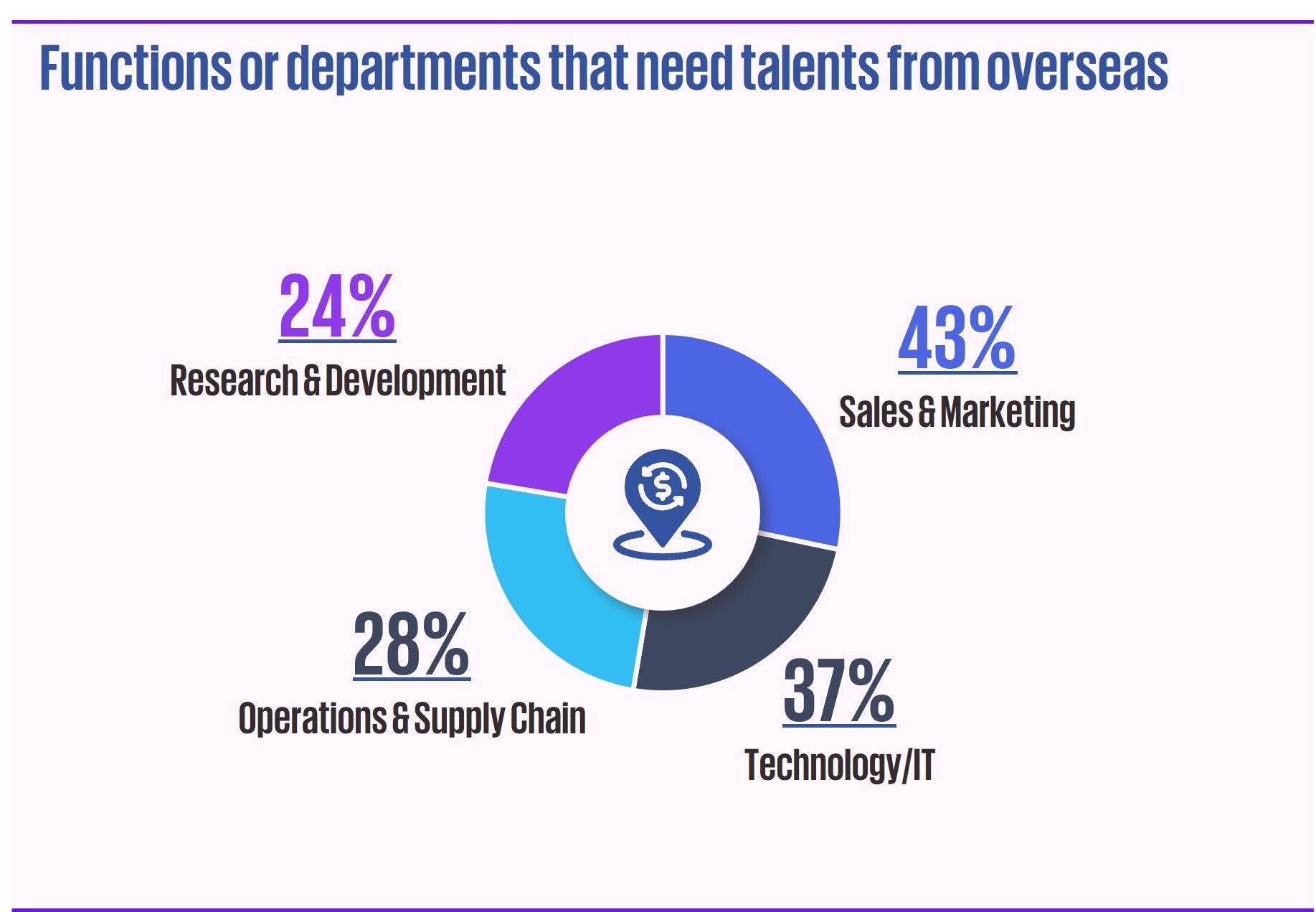
      While hiring the right talent remains a challenge, only 3% described the current conditions as “extremely challenging”, a significant drop from 11% in 2025, as organisations pivot to strategically seeking overseas talent to address skill gaps, especially in sales & marketing, technology/IT, operations & supply chain, and research & development.

      Our report analyses these evolving priorities and provides employers with actionable insights to better attract, integrate, and retain high-calibre talent to support international expansion and align with Hong Kong’s focus on innovation and global competitiveness.


      Benefits

      With rising medical costs, organisations face pressure to manage increasing employee expectations.


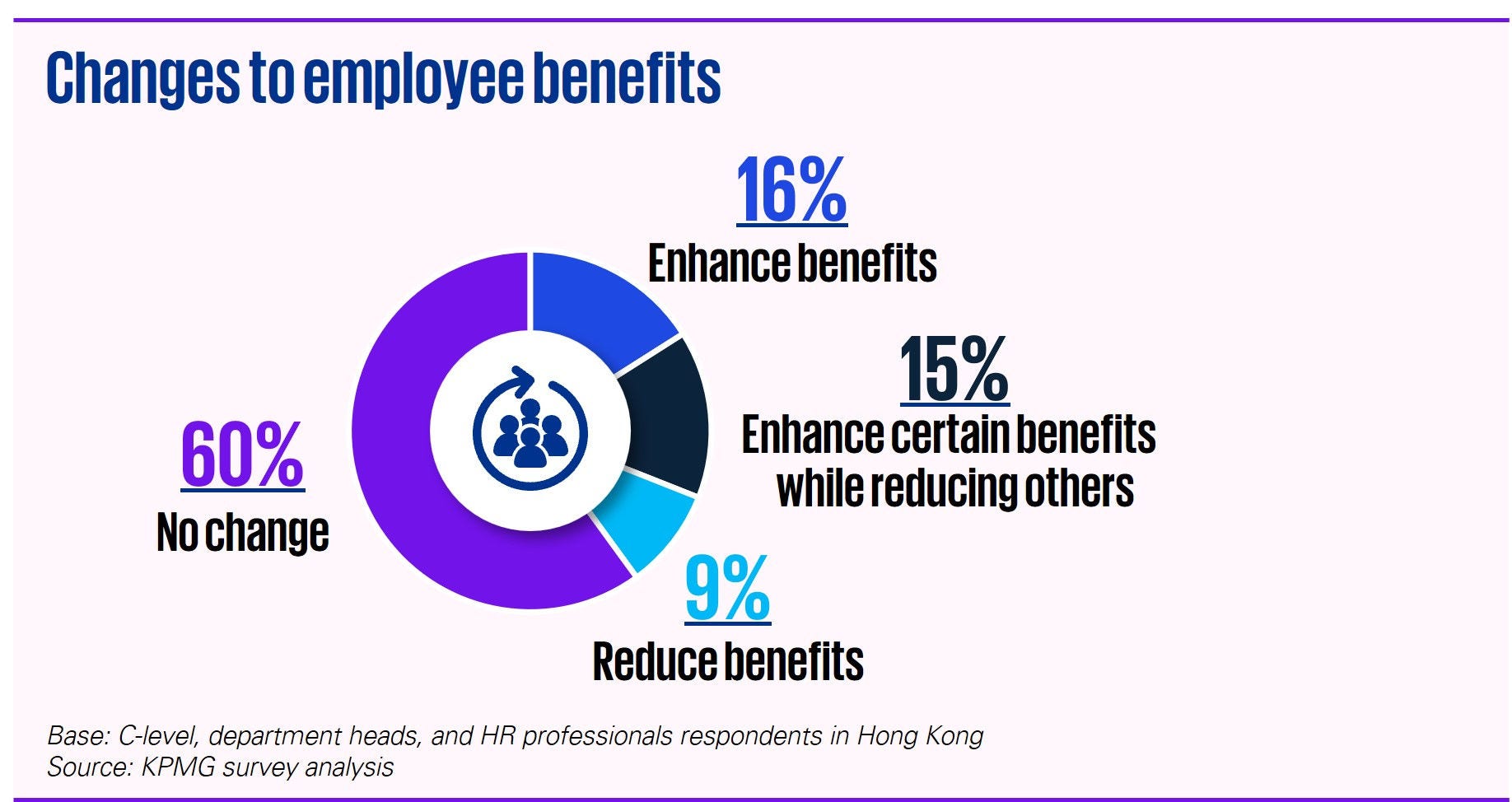
      40% of respondents from C-level, department head level, or HR expect their organisations to make changes to benefits offered to staff in 2026, with nearly a third planning to enhance or rebalance benefits, in order to meet the ever-changing needs of the market.

      This report dives into the easily-overlooked tax implications that such medical or retirement solutions offered in the market may have amid uncertain economic environment and cost pressures.


      Contact us

      David Siew
      David Siew

      Head of People Services, Tax

      Hong Kong SAR

      KPMG China

      Gabriel Ho
      Gabriel Ho

      Director, People Services

      KPMG China

      Isabel Liu
      Isabel Liu

      Director, People Services

      KPMG China

      Stanley Sum
      Stanley Sum

      Head of Technology Consulting, Greater Bay Area,

      KPMG China

      Tax | Immigration | Reward


      About KPMG

      KPMG in China has offices located in 31 cities with over 14, 000 partners and staff, in Beijing, Changchun, Changsha, Chengdu, Chongqing, Dalian, Dongguan, Foshan, Fuzhou, Guangzhou, Haikou, Hangzhou, Hefei, Jinan, Nanjing, Nantong, Ningbo, Qingdao, Shanghai, Shenyang, Shenzhen, Suzhou, Taiyuan, Tianjin, Wuhan, Wuxi, Xiamen, Xi'an, Zhengzhou, Hong Kong SAR and Macau SAR. It started operations in Hong Kong in 1945. In 1992, KPMG became the first international accounting network to be granted a joint venture licence in the Chinese Mainland. In 2012, KPMG became the first among the “Big Four” in the Chinese Mainland to convert from a joint venture to a special general partnership.

      KPMG is a global organisation of independent professional services firms providing Audit, Tax and Advisory services. KPMG is the brand under which the member firms of KPMG International Limited ("KPMG International") operate and provide professional services. "KPMG" is used to refer to individual member firms within the KPMG organisation or to one or more member firms collectively.

      KPMG firms operate in 138 countries and territories with more than 276, 000 partners and employees working in member firms around the world. Each KPMG firm is a legally distinct and separate entity and describes itself as such. Each KPMG member firm is responsible for its own obligations and liabilities.


      Submit RFP

      Find out how KPMG's expertise can help you and your company.