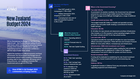
Budget 2024 is premised on all New Zealanders having better outcomes in the face of major public sector budget cuts. The Government has held up their Social Investment approach as the way to achieve this, using data-driven, targeted investments in our most vulnerable communities.
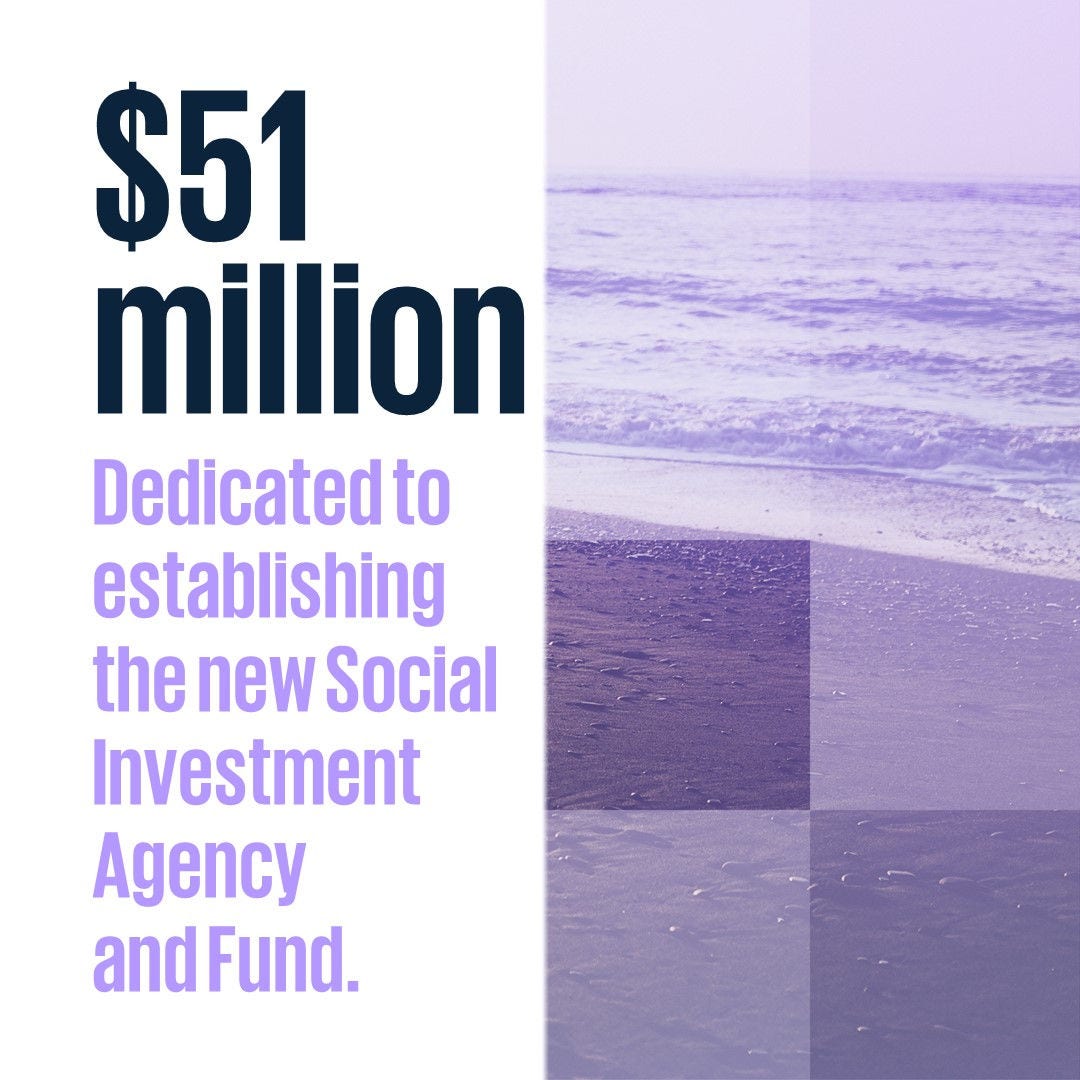
The establishment of the Social Investment Agency and the initial Social Investment Fund are the flagships for leading this approach. All indications are that this will significantly ramp up in 2025. We’ve seen the first signs of intent through the recent Kainga Ora review with the promise of increased use of private equity and community housing providers to achieve better housing outcomes for state tenants.
The Social Investment approach has enormous potential but, without the necessary foundations, could become a unicorn, a mythical creation to solve deep-seated issues through the power of data, devolution, and accountability. Data and evidence will be critical in supporting this, but, success will be highly dependent on truly understanding the needs of those communities, and the solutions, from their perspective and in their context.
Bill English's original Social Investment model built the data foundations to identify the people who require the greatest investment and which social services they engage with most. It didn’t, however, go on to define the outcomes and interventions that matter the most for those people and who is best to deliver them.