Private credit has become one of the headline growth stories in global finance, with assets under management now rivalling the scale and ambition of the syndicated loan market. While Asia still represents a smaller share of the global picture than the US or Europe, the asset class is firmly on the radar of Hong Kong’s regulators1, risk officers, and boards. Hong Kong banks increasingly need to understand the channels of exposure, frame the risks appropriately, and build the governance and valuation infrastructure that allow the institution – and its clients – to engage with the asset class on a sound footing.
Private credit should be a CRO-level issue for Hong Kong banks, as indirect exposures through NBFI lending and wealth channels grow faster than the due diligence and risk management frameworks surrounding them


Johannes Post
Global Head of Valuations Partner, Deal Advisory,
KPMG Switzerland
How Hong Kong banks are exposed
1. Indirect exposure
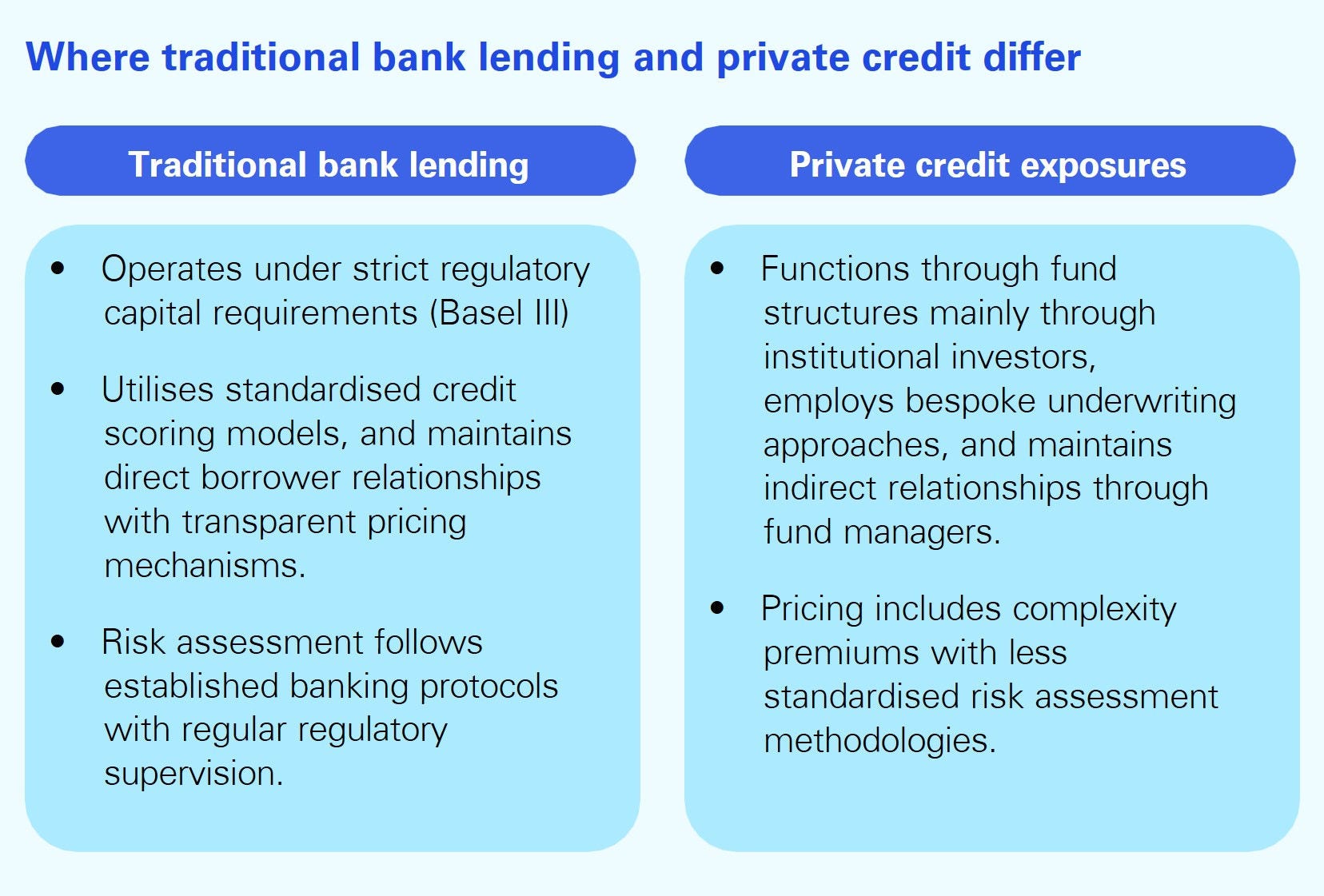
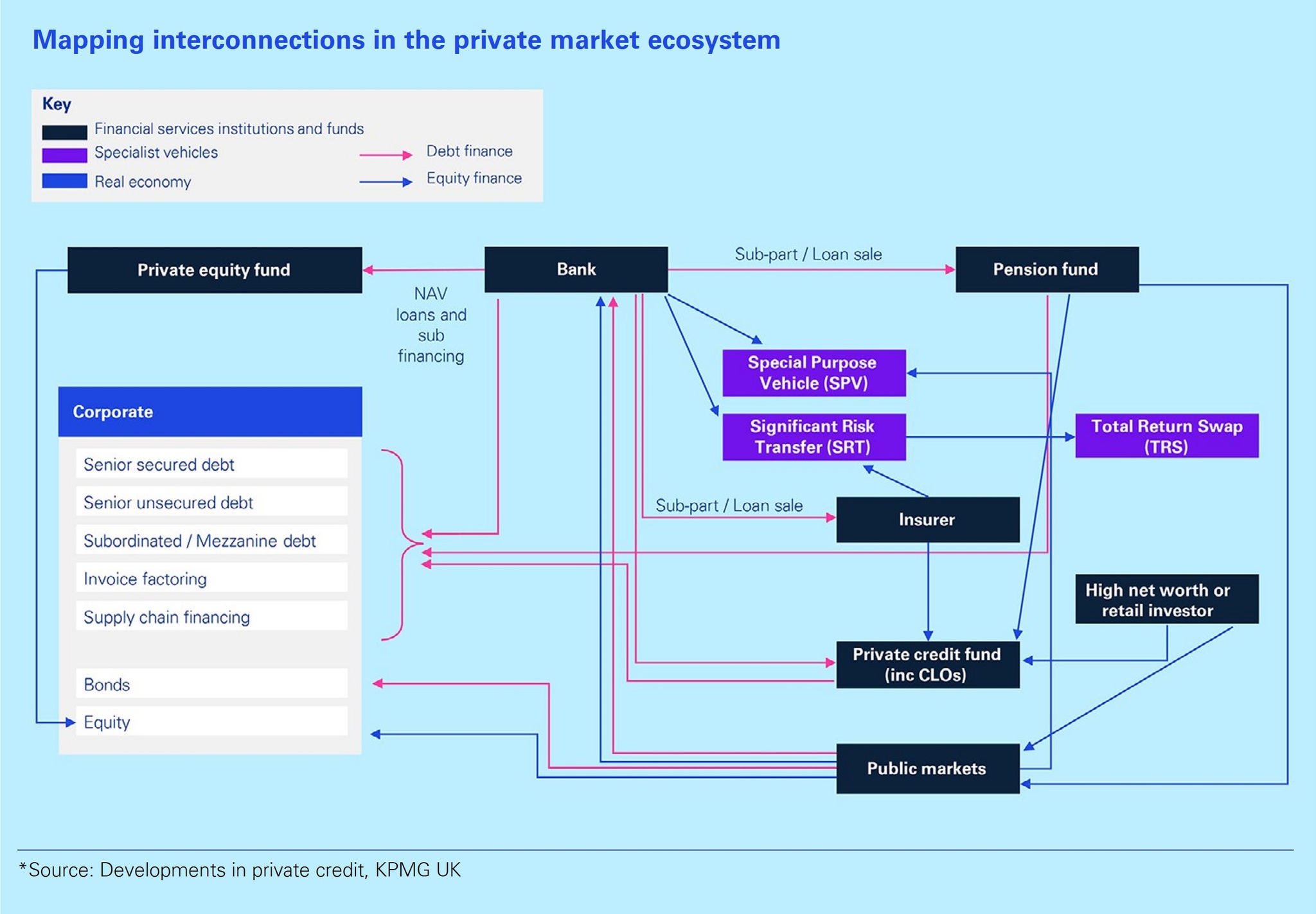
For most banks, exposure to private credit is rarely confined to a single business line. It can manifest directly, where a bank invests into a private credit structure or originates loans that share the characteristics of private credit. More commonly, however, the exposure is indirect. A bank may extend financing to a non-bank financial institution (NBFI) – a private credit fund or an alternative asset manager – that is itself heavily deployed in the space. In such cases, the fundamental question becomes whether the bank truly understands the credit risk embedded within these NBFI lending relationships, particularly when the underlying portfolios may be opaque, illiquid, and concentrated.
2. Reputational exposure
Many banks in Hong Kong operate significant private banking and wealth management businesses. Where these divisions offer third-party private credit products to high-net-worth clients, the bank assumes a layer of reputational and suitability risk that extends well beyond the credit exposure itself. If an investment proves unsuitable, or if liquidity constraints are not adequately communicated at the point of sale, the consequences for client trust and regulatory standing can be material. Banks need to ensure that their private bankers and relationship managers possess a robust understanding of the liquidity profile, risk characteristics, and structural complexity of the products they distribute.
The systemic question
From a broader perspective, while systemic oversight ultimately rests with regulators, Hong Kong banks should remain alert to how the proliferation of private credit could, over time, introduce vulnerabilities into the wider credit and lending ecosystem – particularly as the market in Hong Kong grows in scale and complexity. This isn’t just a theoretical issue. If we see private credit flows becoming heavily concentrated in certain sectors or regions – and the current enthusiasm for data centre financing across Asia may be one notable example – a downturn in that area could quickly ripple through the system.
The interconnection between private credit and private equity adds a further layer of complexity. It is not uncommon for private equity funds seeking exits to channel them through private credit structures, creating linkages that may not be immediately visible in a bank’s risk reporting. Hidden leverage, interest rate sensitivity, and the potential for redemption pressures in less liquid fund structures all contribute to a risk environment that demands more sophisticated monitoring than many institutions currently have in place.
How the regulatory landscape is evolving
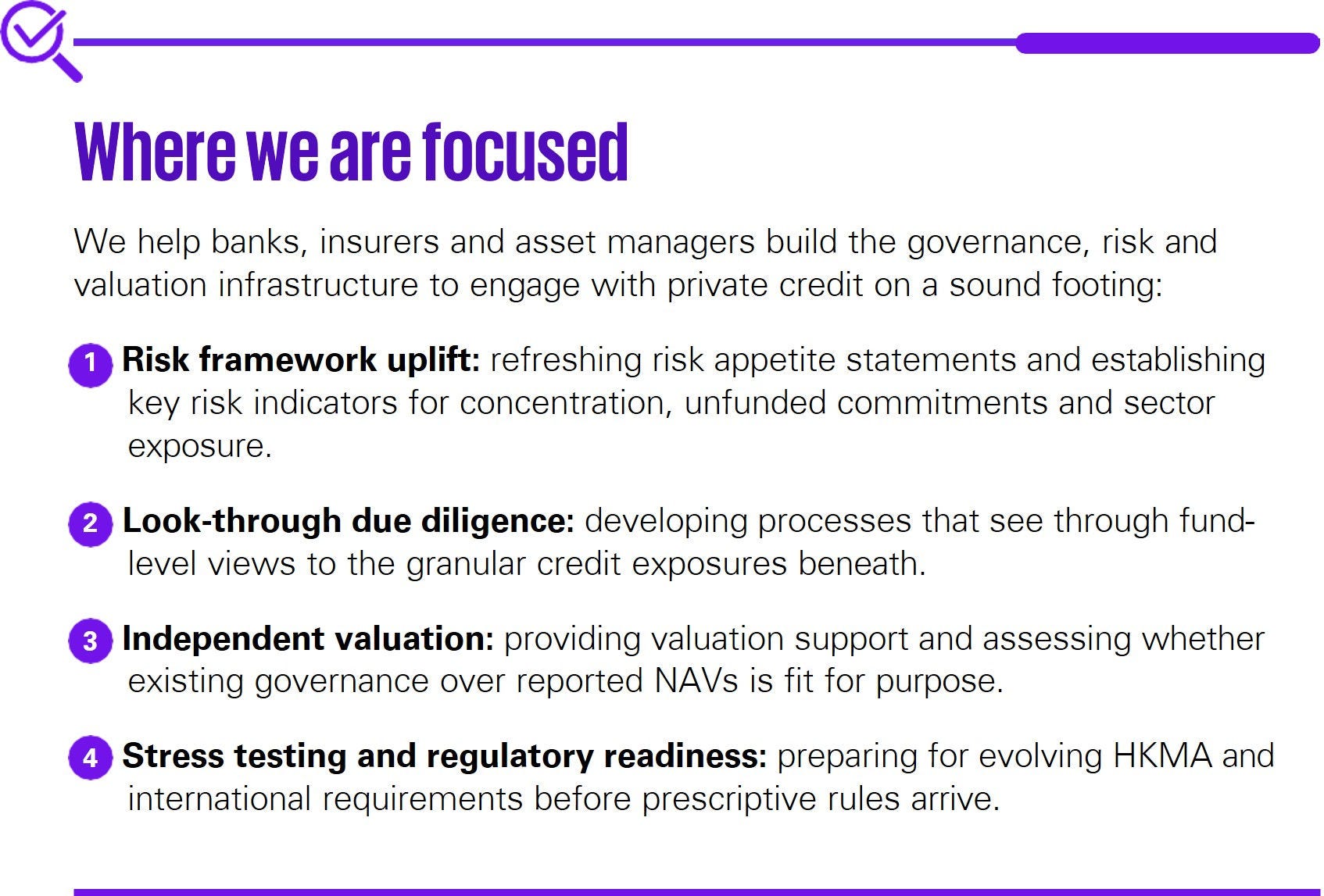
Hong Kong’s regulatory posture on private credit, while not yet prescriptive, is clear in its direction. The HKMA has expressed concerns about the rapid growth in private credit and its potential systemic implications2. Recent guidance emphasises the need for enhanced due diligence, enhanced risk management frameworks, and regular stress testing. Banks are expected to maintain adequate capital buffers and demonstrate understanding of underlying exposures. A fund-level view is no longer sufficient; regulators increasingly expect a look-through analysis to the individual exposures beneath.
It is worth noting that regulatory frameworks in other jurisdictions are advancing more quickly. The Prudential Regulation Authority in the United Kingdom, for instance, has challenged banks on their counterparty credit risk management and exposures to private assets, including private credit3. Hong Kong banks should be alert to the possibility that enhanced requirements may be introduced in due course, and that such regulations could, in certain circumstances, carry retrospective application.
The converse is also true: global banks with substantial Hong Kong operations should monitor developments in their home jurisdictions closely, as home-country requirements can be applied on a group-wide basis and ripple into their local Hong Kong businesses. In both cases waiting for prescriptive rules before acting would be an imprudent strategy.
Building the right risk framework
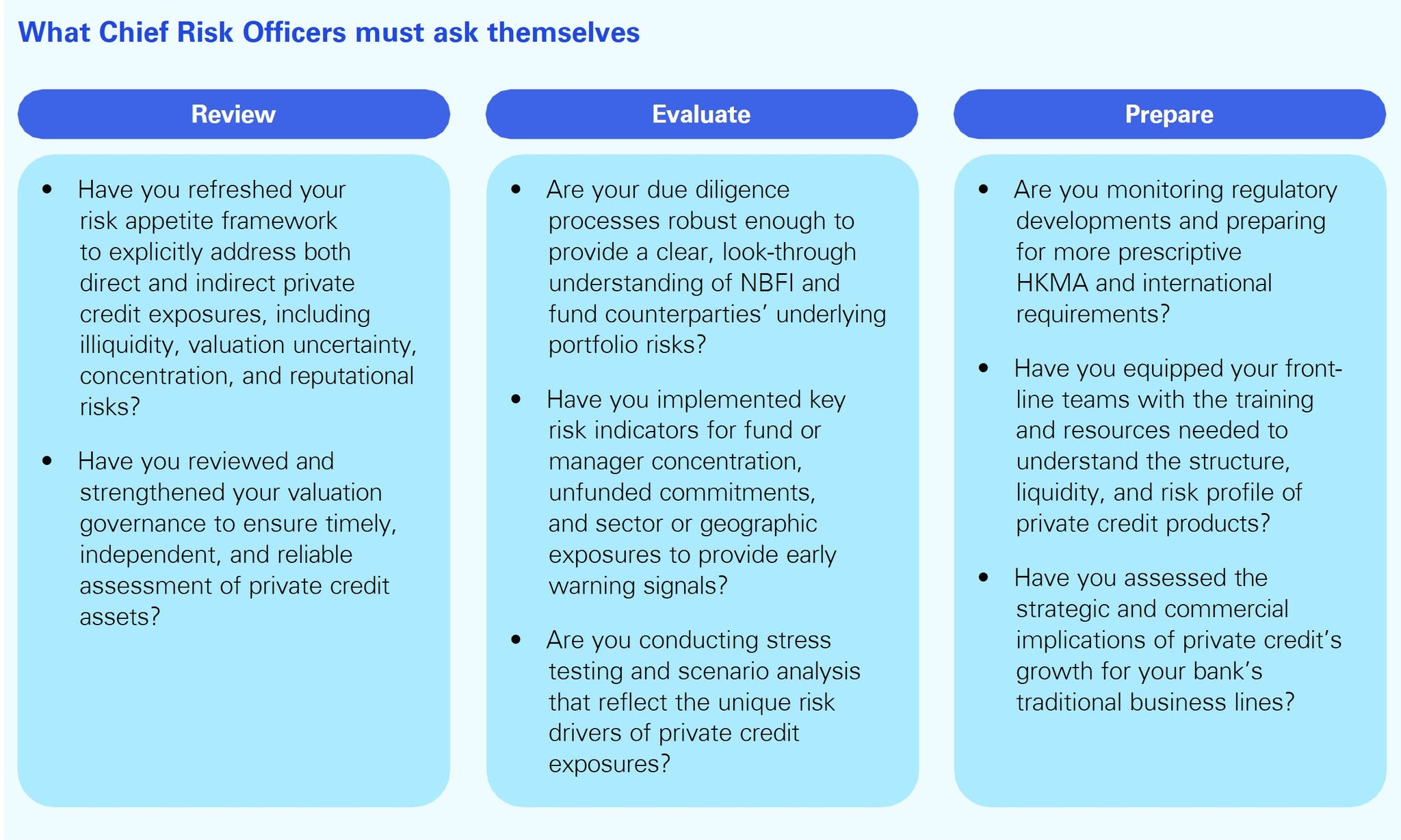
The practical challenge for many Hong Kong banks is that their existing risk infrastructure was not designed with private credit in mind. Traditional risk appetite statements may not adequately capture the specific characteristics of private credit exposures — the illiquidity, the valuation uncertainty, the concentration dynamics, and the reputational dimensions. A targeted refresh of the risk appetite framework, one that explicitly addresses both direct and indirect private credit exposures, is an important first step.
Equally, banks should consider whether they have appropriate key risk indicators in place. Metrics around concentration in a single fund or manager, unfunded commitment ratios, and sector or geographic exposure provide early warning signals that are currently absent from many institutions’ dashboards. Without these, a Chief Risk Officer is operating with an incomplete picture of the institution’s true exposure profile.
Accurate valuation remains one of the more persistent challenges. The underlying data environment for private credit is improving — indices from providers such as Cliffwater, expanded Bloomberg coverage, and proprietary databases from managers like StepStone are all contributing to greater transparency — but significant gaps remain. Reported net asset values from funds can lag actual conditions by several months, and the degree to which a bank or its clients can independently validate those valuations varies considerably. For banks whose clients are invested in private credit, or for those with direct exposures on their own books, the question of whether existing valuation governance is fit for purpose deserves serious attention.
Financial Results
Compare the results of banks across a variety of metrics in the charts for each of the five categories of banks in Hong Kong
Performance Rankings | Licensed banks | Digital banks | Restricted licence banks | Deposit-taking companies | Foreign bank branches