

The global tax landscape is more dynamic than ever, with jurisdictions implementing measures to protect their tax bases and incentivise climate-friendly investments. Additionally, the rise of generative AI (Gen AI) and the shortage of tax talent are reshaping traditional tax roles and operating models, putting significant stress on tax functions.
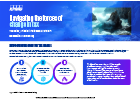
Navigating the forces of change in tax explores these complexities, offering strategic imperatives and actionable insights to help tax leaders navigate the forces of change.
The publication highlights three key areas tax leaders should prioritise to create value for their organisations and outlines key steps to help achieve these goals and gain a competitive advantage.
Key Themes
Coping with a dynamic and unpredictable tax environment
Tax functions are under immense pressure due to evolving regulations and fast-changing global events. For instance, 79 percent of respondents in the KPMG 2024 CEO Outlook believe trade regulation will negatively impact their organisations, while 56 percent express concerns about regulatory demands.
Making Gen AI work for tax
Generative AI (Gen AI) is set to revolutionise tax practices by automating compliance, enhancing data analysis, and improving decision-making processes. The KPMG 2024 CTO Outlook Studyopens in a new tab indicates that 29 percent of tax functions are already deploying Gen AI, with an additional 26 percent exploring its use.
Elevating and empowering tax teams for tomorrow
With the growing demand for skills in emerging technologies, tax leaders must focus on building agile teams equipped to handle the complexities of modern tax environments. The KPMG Global Tax Function Benchmarking Survey reveals that 44 percent of respondents identify employee recruitment and retention as the biggest disruptor impacting the corporate tax function.

Key actions to help transform the tax function for the future
Despite these challenges, there are significant opportunities for organisations to transform their operating models and enhance their strategic role within the business. By evolving in tandem with other business functions, tax teams can deliver greater value and position themselves for success in an unpredictable future. Some steps to consider when building a tax function ready for the future include:

Related content


Our People

Catherine Light
Partner, Tax Reimagined
KPMG in Singapore
