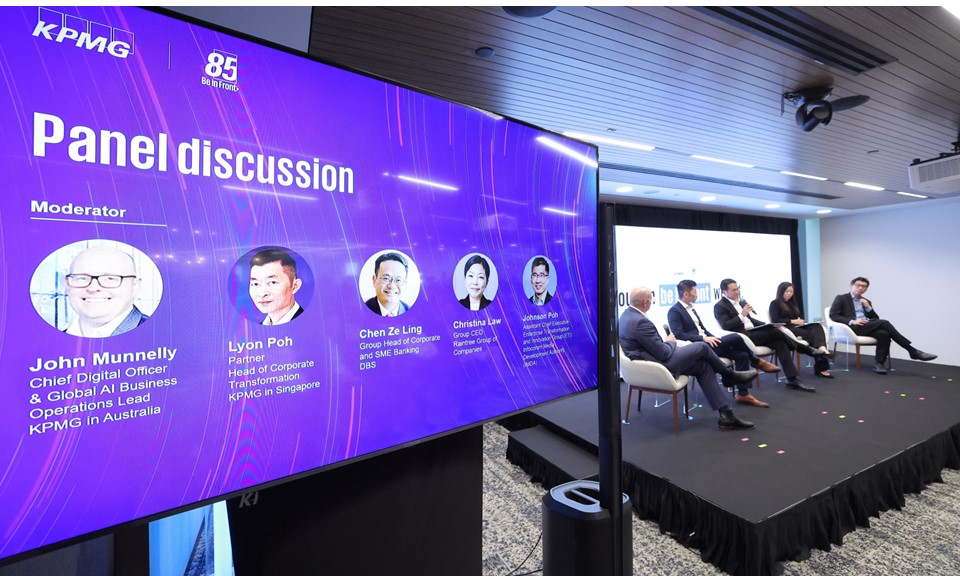
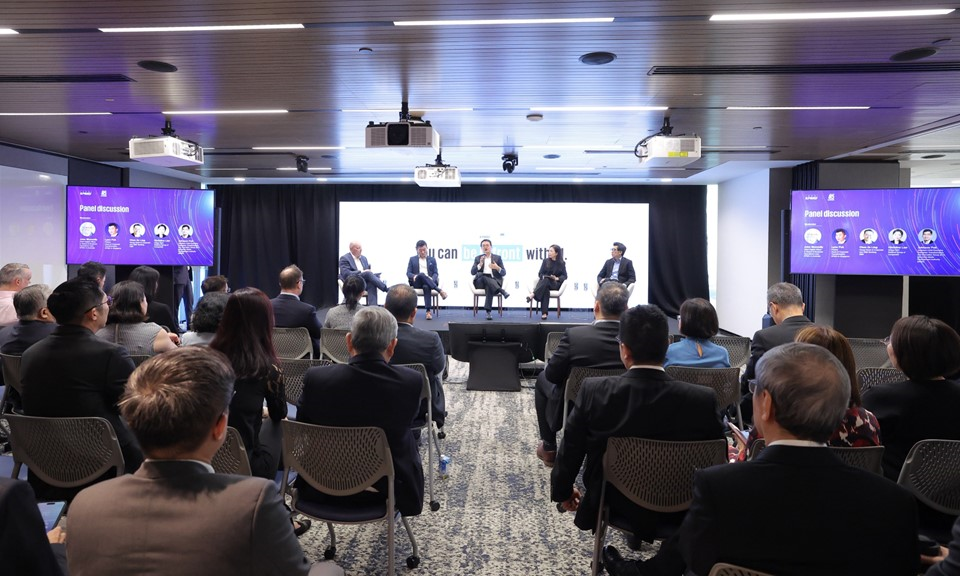
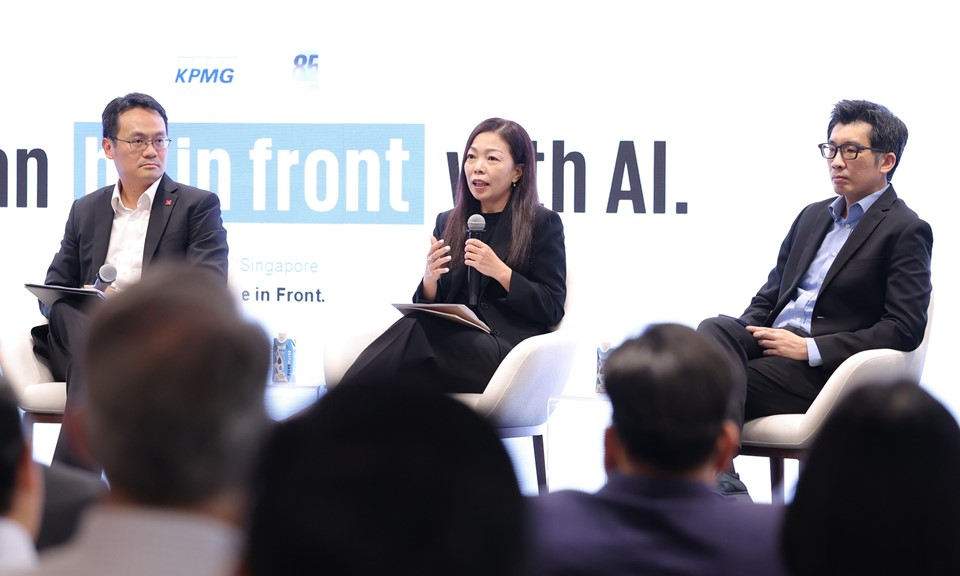
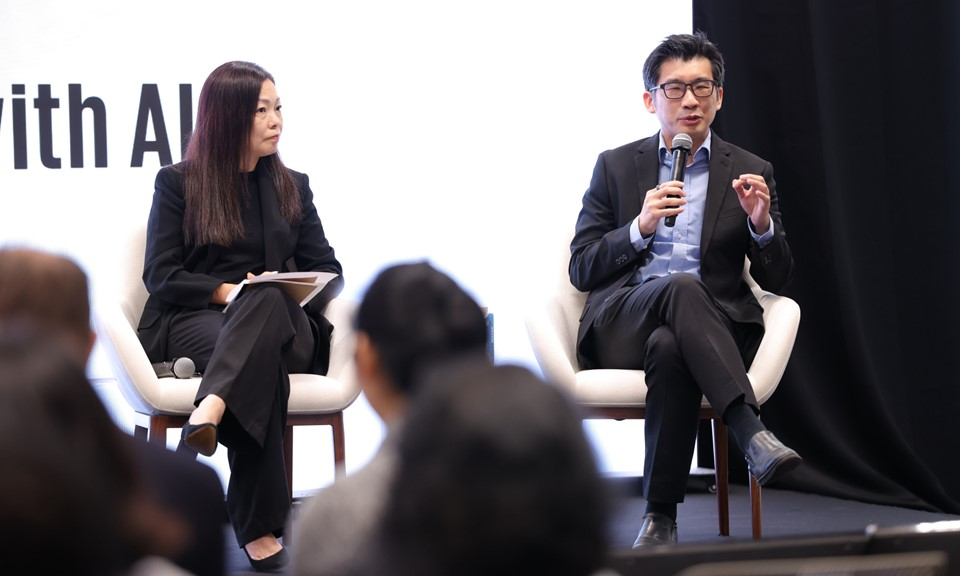
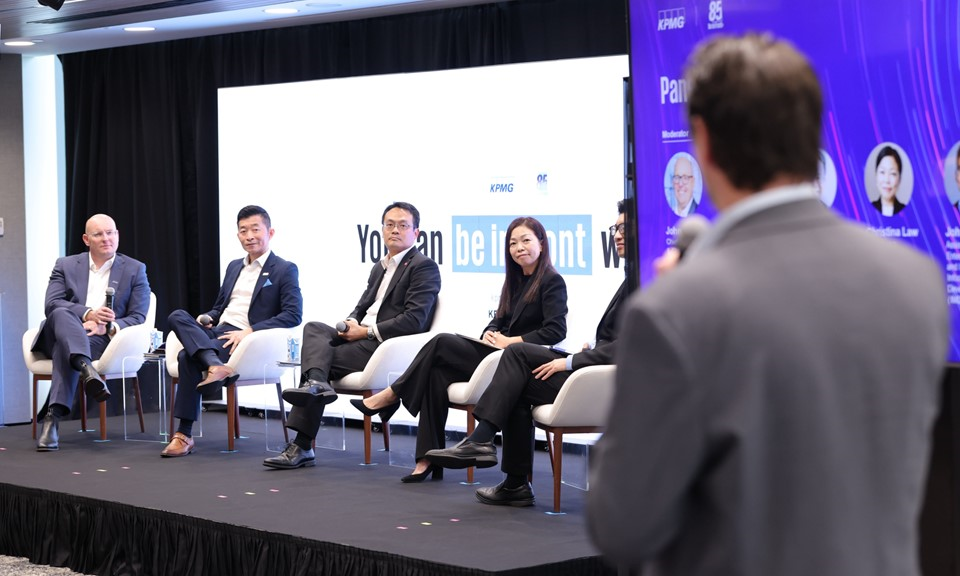
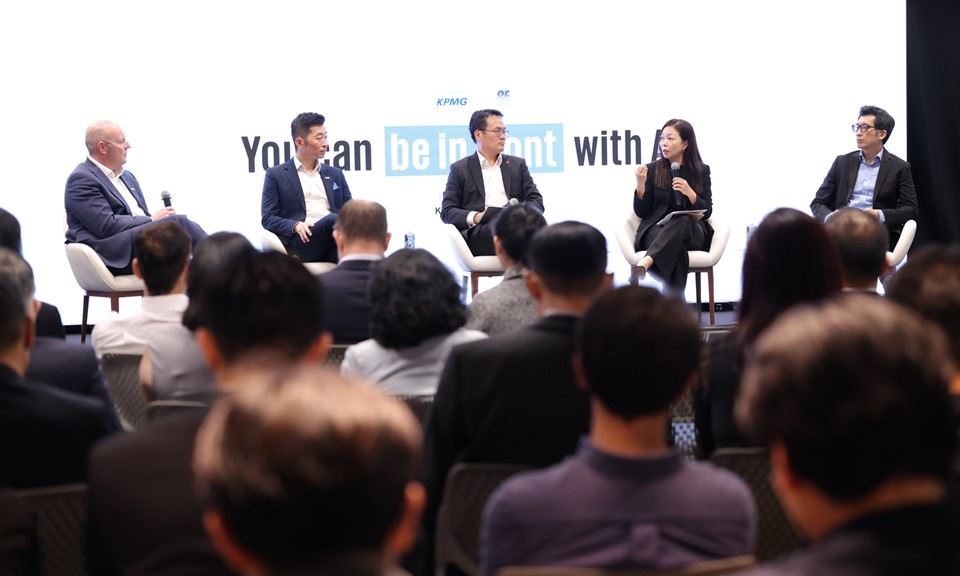
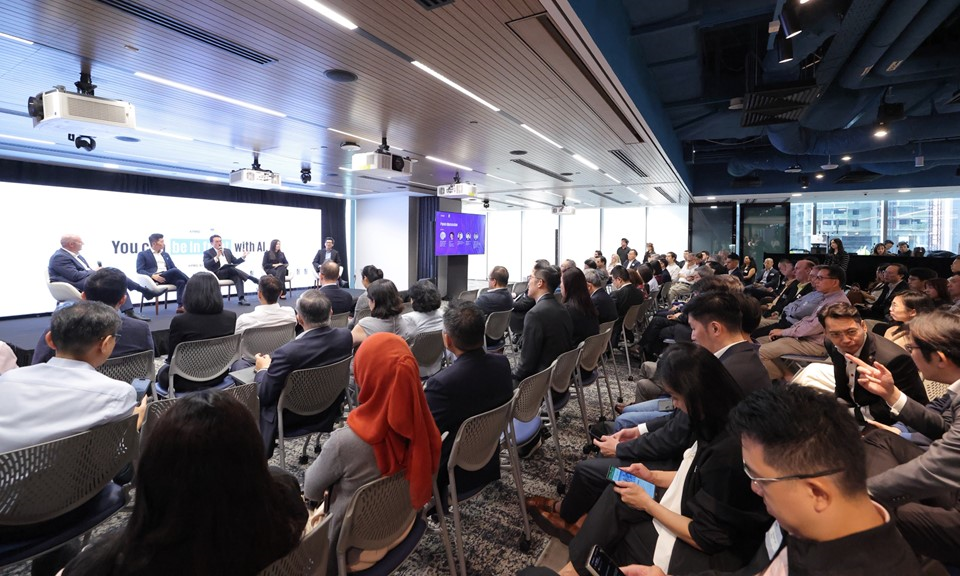
Drawn from the panel segment at the launch of the KPMG Singapore Trusted AI Centre of Excellence, these 10 truths capture the perspectives, challenges and priorities shaping AI adoption today. From strategy and governance to workforce readiness and trust, they offer leaders a practical lens on what it takes to move forward with confidence.
#1: AI success comes from strategic rigour, not just speed
AI is not a blanket solution. It performs best when applied to clearly defined, narrow problems. The winners of the AI race will be the ones who scale AI that works, based on a clear AI strategy.
#2: AI pioneers don’t wait to have all the answers
AI is still new, and most companies are figuring it out as they go. The winners will be the ones who learn, test, and scale the AI that works the fastest, based on a clear AI strategy.
#3: AI success starts in the boardroom
Boards don’t need to be AI experts and understand all technical details, but because they are accountable for oversight, they must know the right questions to ask.
#4: Welcome to the age of human amplification
AI is evolving into personal agents that act as an extension of each employee. These agents can draft, analyse, and execute tasks at speed, using your knowledge as a base. The result is a shift from individual work to human + AI collaboration at scale. Your next hire isn’t human, it is You, amplified with AI.
#5: AI works best when the problem is stated precisely
AI is not a blanket solution. It performs best when applied to clearly defined, narrow problems. AI agents work best when given a tight brief and clear scope.
#6: Everyone must learn “Tokenomics”
AI compute costs (tokens) can quickly skyrocket if left unmanaged. Treat each token like a microtransaction and track usage closely across your development and operational run phases to ensure sustainable AI ROI.
#7: Not all AI models are created equal
Different models have different strengths: reasoning, speed, cost, accuracy, etc. Model selection is one of the biggest levers for performance and cost optimisation.
#8: Middle management is where AI sticks
Middle management is a pivotal layer in AI transformation. This group often holds coordination, reporting and process-control responsibilities, which makes them both more exposed to disruption and more important to successful adoption.
#9: AI fluency is the new business literacy
AI fluency as something that will become a given, much like basic computer use today. The competitive difference will come from how quickly people and organisations build that fluency and apply it meaningfully.
#10: If nobody can verify it, nobody should trust it
As AI transitions to more autonomous/agentic in nature, the panel pointed to the need for records, monitoring and visibility into what AI systems are doing. In that context, trust depends not only on outcomes, but on whether actions can be traced, reviewed and governed.