

With the significant expansion of the video game industry, comes the recognition of inherent risks and challenges, including growing concerns about problematic gaming behaviour. The World Health Organization's recognition of "Gaming Disorder" as a diagnosable condition highlights the urgency of addressing excessive gameplay. This disorder, characterized by impaired control over gaming and increasing priority given to gaming over other interests and daily activities, underscores the significant social and mental health implications of gaming. It is expected that public health bodies will advocate for regulations that aim to reduce potential harm caused by excessive gaming, which underscores the need for the industry to proactively adapt and mitigate these risks.
What’s on the horizon?

Responsible Gameplay Index (RGI)
The Responsible Gameplay Index can serve as a comprehensive measure to evaluate the success of responsible gameplay initiatives, assessing:
- Engagement Patterns
- Effectiveness of Self-Exclusion Tools
- Player Feedback and Satisfaction
This index can incorporate several varied qualitative metrics that help track these initiatives:
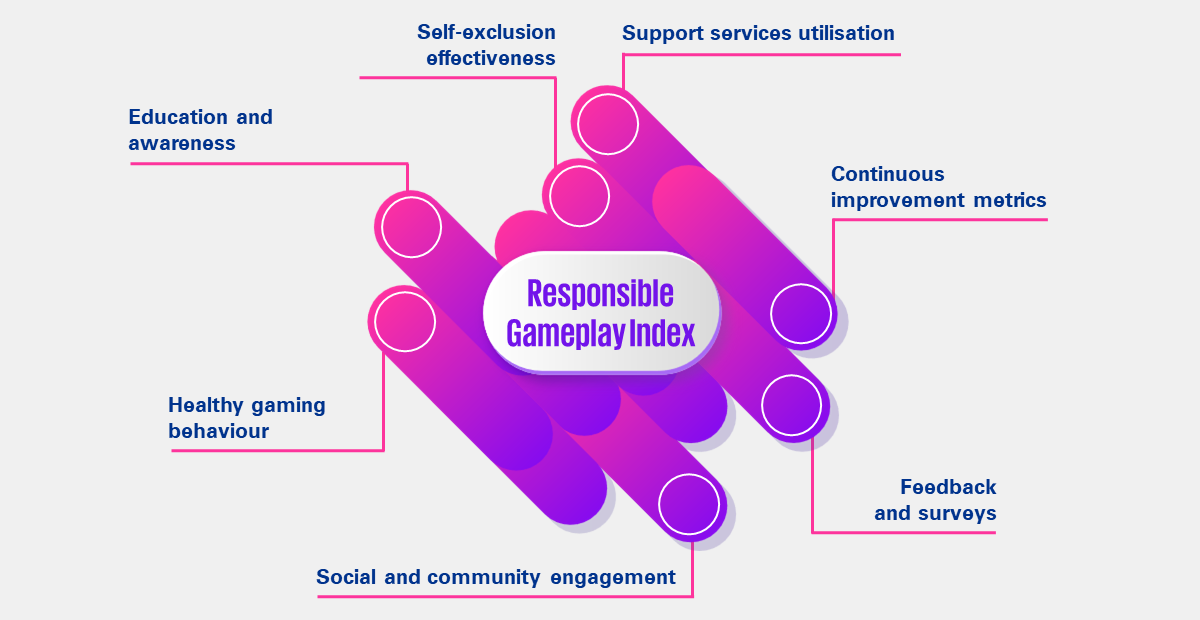
Responsible Gameplay can also be an important metric in a company's Environmental, Social and Governance (ESG) reporting, particularly as the Corporate Sustainability Reporting Directive comes into effect.

Responsible Gameplay in Video Gaming
Responsible Gameplay in Video Gaming - A Strategic Imperative for the Gaming Industry
Call to Action

The gaming industry must adopt and refine responsible gameplay strategies that encompass both preventive and evaluative measures. These strategies should be informed by reliable metrics that reflect the real-world effectiveness of responsible gameplay practices to ensure their impact and meaningfulness.
Contact Us

