CEOs turn resilience into growth as cyber, AI and workforce priorities reshape investment decisions

      Amid economic uncertainty, geopolitical volatility and regulatory complexity, the KPMG 2026 India CEO Outlook shows that CEOs in India remain confident about growth while strengthening resilience across their organisations.

      Strong earnings and workforce growth expectations reflect continued investment in people, technology and capabilities.

      Investment priorities reflect this focus. CEOs are increasing their emphasis on cybersecurity, digital risk management and operational resilience to strengthen trust and business continuity.

      The AI agenda is shifting from adoption to value realisation, with leaders prioritising measurable outcomes, stronger governance, robust data foundations and responsible deployment.

      Organisations are also investing in reskilling, AI training and human-AI collaboration to address talent challenges and skills gaps.

      Sustainability is also becoming more deeply embedded in business strategy, with many CEOs viewing AI as a catalyst for greater efficiency, improved reporting and stronger sustainability outcomes.
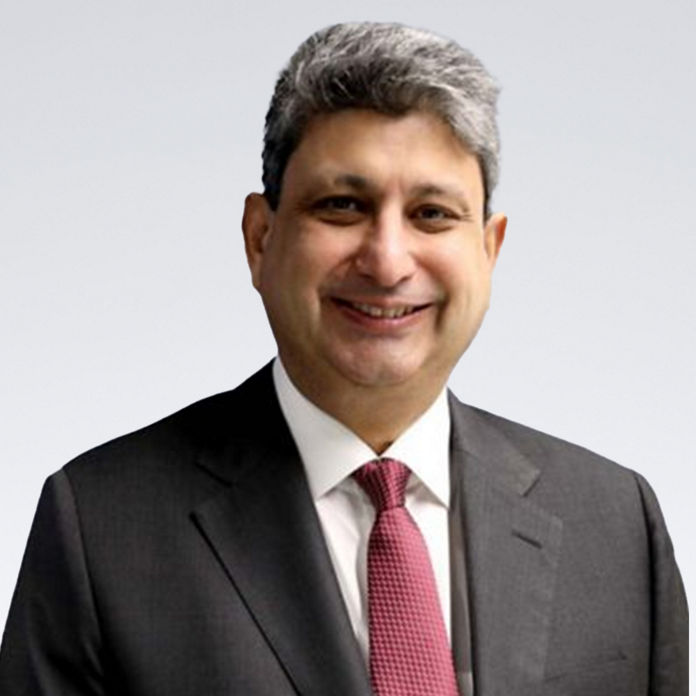

      CEOs in India continue to demonstrate confidence and resilience in the face of unprecedented change. As organisations accelerate investments in AI, digital transformation and innovation, success will increasingly depend on their ability to strengthen cyber resilience, build workforce capabilities and embed trust across the enterprise. The leaders who will thrive are those who can translate resilience into sustained growth and convert technology investments into measurable business value.
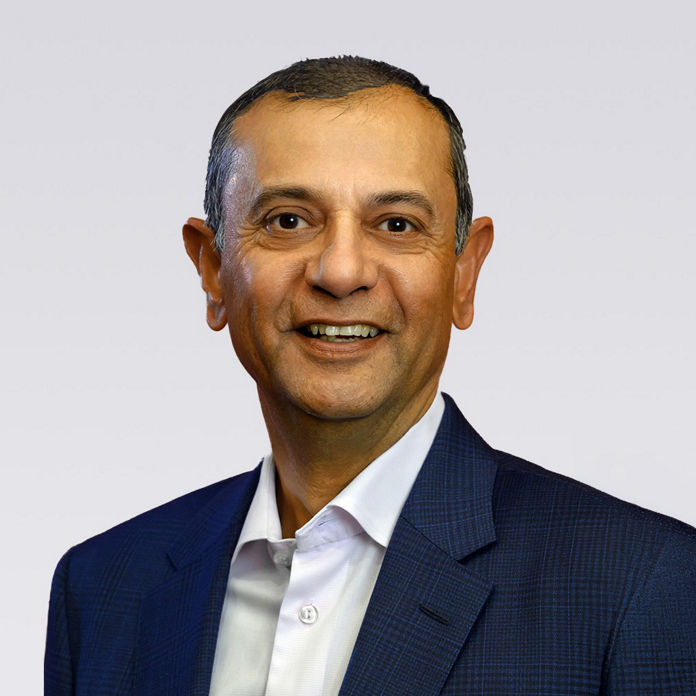
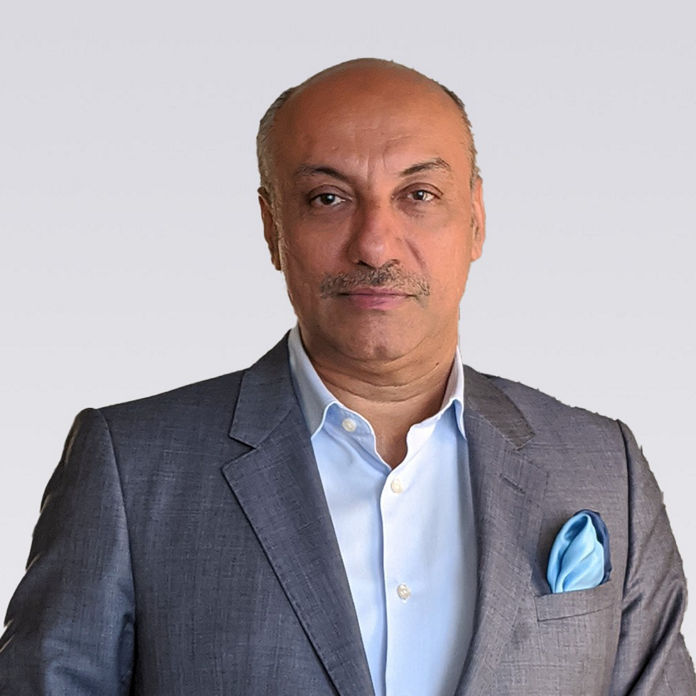
      Yezdi Nagporewalla

      Chief Executive Officer

      KPMG in India


      KPMG 2026 India CEO Outlook

      CEOs in India reveal how they are addressing risk, accelerating AI adoption, strengthening workforce capabilities, and advancing sustainability priorities.

      KPMG 2025 India CEO Outlook

      Risk and Resilience

      Resilience emerges as a strategic growth enabler for CEOs in India

      Confidence remains strong amid uncertainty


      The KPMG 2026 India CEO Outlook signals renewed confidence despite an increasingly complex operating environment. In India, 87 per cent of CEOs are confident about their company’s growth prospects over the next three years, up from 83 per cent in 2025. Confidence in the country’s growth prospects stands at 73 per cent, compared with 71 per cent last year. Globally, confidence in organisational growth stands at 84 per cent, up from 79 per cent, even as confidence in the global economy falls to 65 per cent from 68 per cent. CEOs in India are more optimistic about the global economy, with confidence rising to 69 per cent from 63 per cent last year.

      Growth ambitions also remain strong. 69 per cent of CEOs in India expect annual earnings growth above 2.5 per cent, compared with 68 per cent globally. In addition, 92 per cent of CEOs in India and 89 per cent globally expect to increase headcount over the next three years. These findings suggest that leaders are balancing near-term uncertainty with sustained investment in people, technology and resilience.


      A broader, interconnected risk agenda


      Economic uncertainty, geopolitical instability, regulation and technological disruption are converging. For CEOs in India, cybersecurity and data security remain the leading threat to growth, cited by 38 per cent of respondents. Global economic uncertainty and geopolitical instability follow at 28 per cent each, alongside growing concern over regulatory pressures, AI integration and supply chain resilience. The focus is shifting from managing individual risks to strengthening enterprise-wide agility, governance and preparedness.

      Investment priorities reflect this shift. Cybersecurity and digital-risk resilience lead the agenda for 49 per cent of CEOs in India and 45 per cent globally. In India, 34 per cent are prioritising AI integration across operations and workflows, while 33 per cent are increasing investment in regulatory compliance and reporting, compared with 36 per cent globally. 
       

      Risk management is increasingly evolving from an operational necessity into a strategic leadership imperative. As organisations navigate a more complex and interconnected risk landscape, boards and executive teams should consider embedding risk, resilience and governance more deeply into investment, transformation and growth decisions to drive sustainable long-term value.
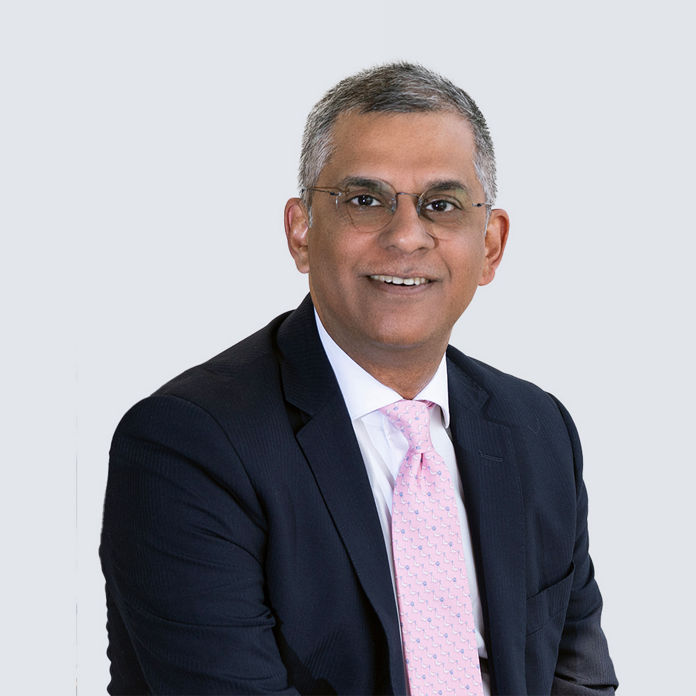
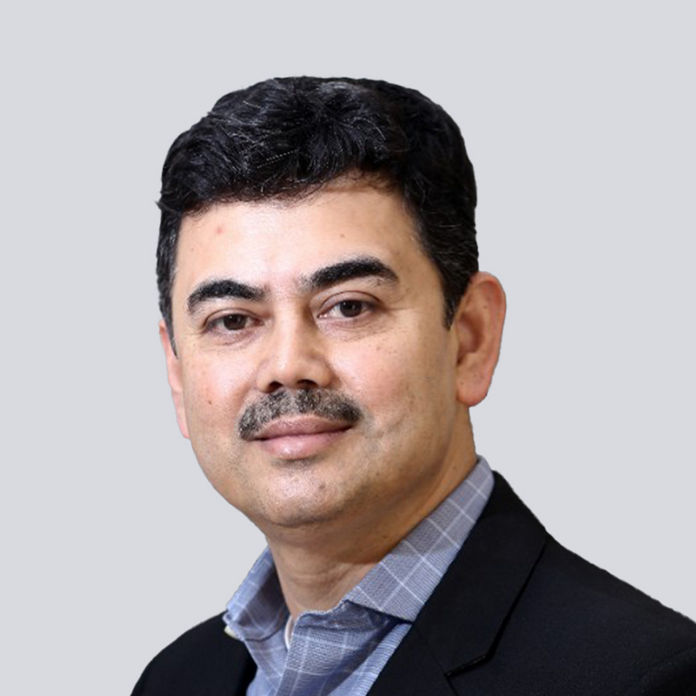
      Mohit Bahl

      Partner and Head, Risk and Integrity Advisory

      KPMG in India


      Operational priorities and leadership capabilities


      Digitisation and connectivity are the leading operational priorities for CEOs in India (26 per cent) and globally (20 per cent). In India, supply chain reconfiguration and customer experience follow at 13 per cent each, while AI skills development remains prominent. Four in ten CEOs in India (40 per cent), compared with 37 per cent globally, are prioritising end-to-end supply chain visibility through data, AI and digital tools.

      Leadership is also emerging as a decisive source of resilience. Nearly half (49 per cent) of CEOs in India identify agility and faster decision-making under pressure as essential leadership capabilities, marking a significant increase from 31 per cent in 2025. A similar trend is evident globally, underscoring the growing importance of leadership agility in navigating uncertainty. Strategic foresight and scenario planning follow, cited by 46 per cent of CEOs in India and 44 per cent globally. Other leadership priorities vary, with CEOs in India placing greater emphasis on digital and technological literacy (43 per cent), while global CEOs place greater emphasis on identifying and managing risk (39 per cent).
       

      AI is the biggest opportunity of our time and the hardest leadership test. The gap lies in execution, not intent. It’s business transformation, not technology. This demands CEO ownership, reinvented workflows, and reskilled talent. Those who act decisively will build lasting advantage.

      Rohit Kapoor

      Chairman and CEO

      EXL

      India’s current protection gap of $ 87 T and projected retirement gap of $ 90 T provide a huge opportunity for growth. Insurers, by embedding AI in the phygital sales process, can increase productivity in the high-cost agency business. AI-led underwriting, claims and servicing will further enhance efficiency. Key challenges are a rapidly changing regulatory environment, rising AI-led cyber threats, and slow transition of life insurance into a category that is bought rather than sold.

      Mahesh Balasubramanian

      Managing Director and CEO

      Kotak Mahindra Life Insurance Company Limited


      Technology and AI

      CEOs in India move from AI ambition to measurable business value

      From AI adoption to AI value realisation


      AI has moved from experimentation to an enterprise priority. CEOs in India and globally are focused on translating investment into growth, productivity and competitive advantage.

      Despite economic uncertainty, AI remains a priority for 78 per cent of CEOs in India, compared with 79 per cent globally. Confidence is high, but value at scale will depend on disciplined execution across governance, regulation, cybersecurity and workforce readiness.

      Investment plans signal sustained commitment. Over the next 12 months, 62 per cent of CEOs in India, compared with 64 per cent globally, expect to allocate 11–20 per cent of their budgets to AI. Similarly, 70 per cent of CEOs in India, compared with 71 per cent globally, expect returns within one to three years.

      The leadership challenge is to prioritise high-impact use cases and scale them with strong governance, clear outcomes and trust by design.

      Confidence in AI readiness while embracing agentic AI


      CEOs remain confident in their organisations’ ability to navigate rapid advances in AI. 97 per cent of CEOs in India, compared with 95 per cent globally, are confident that their organisations can keep pace with AI development and its impact on operations and workforce transformation. In addition, 75 per cent of CEOs in India, compared with 78 per cent globally, believe their leadership teams understand how AI will disrupt existing business models and create new opportunities.

      Agentic AI is beginning to reshape how work gets done. 46 per cent of CEOs in India, compared with 55 per cent globally, report that it is already having a significant or transformational impact, as AI agents are being embedded into workflows, decision processes and operating models.
       

      The next phase of AI will be defined not by adoption alone, but by an organisation’s ability to translate investment into measurable and sustainable value. Achieving this will require scaling priority use cases while strengthening governance, data foundations, workforce readiness, and cyber resilience. As organisations mature in their AI journey, the roles, structures, and operating models needed to deliver meaningful outcomes will continue to evolve.
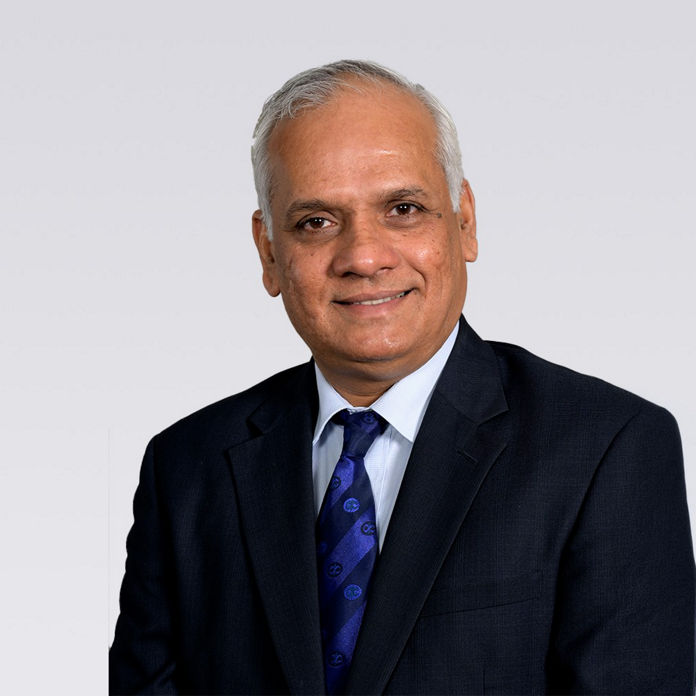
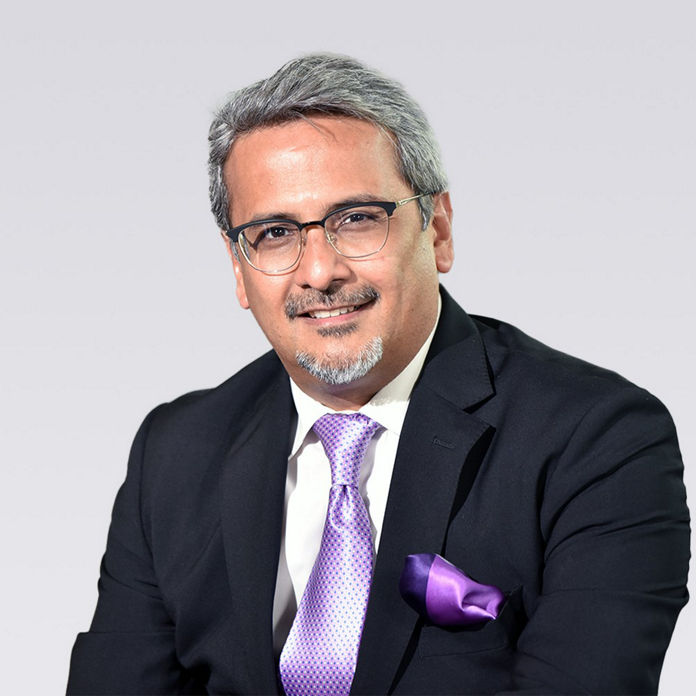
      Purushothaman KG

      Partner and Head, AI and Technology Transformation

      KPMG in India

      As agentic AI takes on more autonomous roles, leaders will need to define decision rights, retain human judgement where essential and establish clear accountability, supported by robust controls and continuous monitoring.

      The greatest challenge today is moving past simple AI experimentation. To unlock true growth, leaders must redesign workflows from the ground up and build an 'Agentic Enterprise' where specialised AI agents actively collaborate with employees to drive tangible business outcomes.

      Karan Bajwa

      President, Asia Pacific

      Google Cloud

      Governance, regulation and ethics move to the forefront


      As AI moves into core business processes, ethical deployment and regulatory readiness become essential to responsible implementation.

      Ethical challenges associated with implementing AI are cited by 64 per cent of CEOs in India, compared with 57 per cent globally, ranking as the leading challenge to AI implementation. Regional regulatory complexity remains a significant concern: 53 per cent of CEOs in India, compared with 41 per cent globally, cite inconsistent regional AI regulation as a barrier, while 70 per cent of CEOs in India, compared with 66 per cent globally, believe the pace of AI regulation could impede organisational success.

      Cybersecurity and digital resilience have become critical to scaling AI


      As agentic and enterprise AI become embedded in core operations, they expand the attack surface, introduce new identity and access risks, and increase the consequences of automated decisions. Scaling AI, therefore, requires security by design, supported by strong controls, effective governance and resilient digital infrastructure.

      Implementing AI in cybersecurity remains difficult, with 53 per cent of CEOs in India, compared with 52 per cent globally, reporting challenges in integrating it into security systems. The opportunity to improve threat detection and automate response is clear, but legacy environments, governance requirements, and implementation complexity continue to constrain progress.

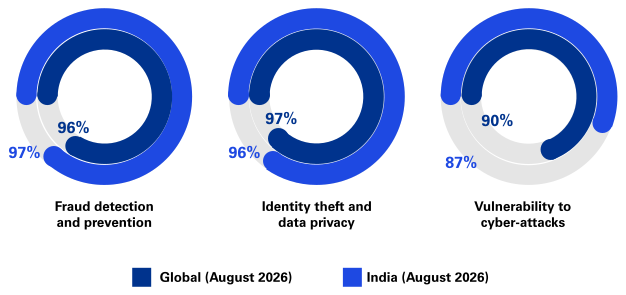
      Cyber and trust concerns are high. 97 per cent of CEOs in India, compared with 96 per cent globally, are concerned about fraud detection and prevention; 96 per cent in India, compared with 97 per cent globally, are concerned about identity theft and data privacy; and 87 per cent in India, compared with 90 per cent globally, are concerned about vulnerability to cyberattacks. These findings reinforce the importance of cyber resilience and digital trust as AI expands across critical business functions.

      Comparison of technological risks affecting organisational cybersecurity 

      Sustainable growth will require organisations to strengthen technology, AI and cyber resilience; accelerate transformation; and build workforce capabilities while maintaining strategic focus. The leaders who succeed will be those who balance innovation, risk and change with agility, trust and discipline.
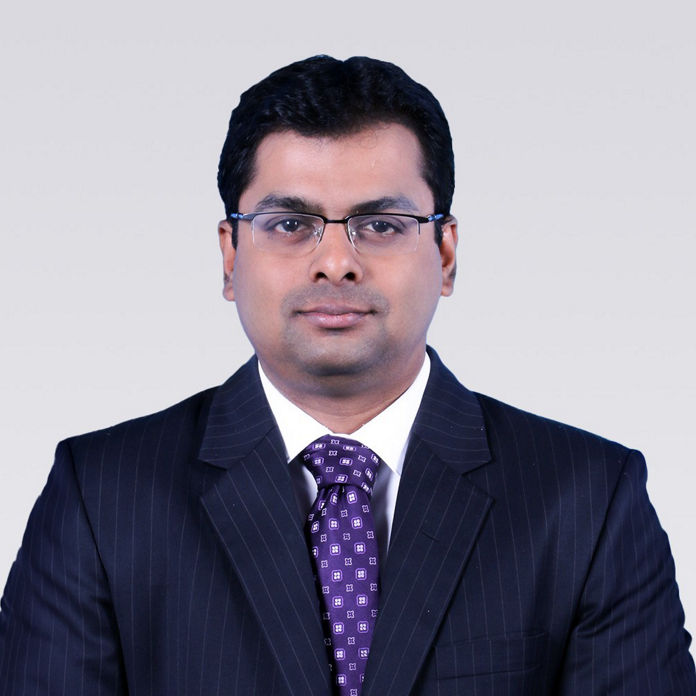
      Gautam Bhattacharya

      Head of Technology Consulting

      KPMG in India


      Talent

      Talent attraction and skills gaps shape workforce readiness

      Workforce readiness is a strategic priority


      CEOs increasingly recognise that growth depends on future-ready talent. In India, attracting and retaining talent is the leading workforce challenge (54 per cent), followed by skills gaps (53 per cent) and the need to upskill employees in AI systems (51 per cent). Globally, skills gaps rank first (56 per cent), followed by AI upskilling (52 per cent) and talent attraction and retention (47 per cent). The priority is therefore shifting from technology adoption alone to building the capabilities required to compete and grow.


      Workforce transformation is no longer simply about preparing people to use new technologies. It is about redesigning roles, building adaptable skills and creating a culture of continuous learning so that people and AI can work together effectively. Organisations that invest in their workforce with the same urgency as they invest in technology will be better positioned to translate AI adoption into sustainable value.
      Sunit Sinha

      Partner and Head, Human Capital Advisory Solutions

      KPMG in India


      AI is reshaping workforce and talent strategies


      Workforce planning, learning and career development are changing. In India, 87 per cent of CEOs are focused on retaining and retraining high-potential talent, while 84 per cent are redesigning roles, career paths and team structures and 77 per cent are hiring people with AI and technology capabilities. 


      AI is also changing learning and entry-level talent requirements. Nearly four in five CEOs in India (79 per cent), compared with 78 per cent globally, say AI is changing how they train and develop employees, while 86 per cent of CEOs in India and 76 per cent globally are reassessing the skills required for entry-level roles.

      AI offers enterprises an opportunity to rethink how they operate and create value. At Bengaluru International Airport, BLRAI.Port, our enterprise AI platform powering GenAI and vibe coding, is democratising innovation across the organisation. By empowering every employee to solve business challenges, we are delivering measurable improvements in safety, efficiency, customer experience and commercial performance.

      Hari Marar

      Managing Director and CEO

      Bangalore, International Airport Limited


      ESG and Sustainability

      Sustainability becomes a business imperative

      Long-term value drives ESG integration


      Sustainability is becoming increasingly embedded in business strategy, capital allocation and long-term value creation. In India, 66 per cent of CEOs say sustainability is fully embedded in their businesses and critical to long-term success, compared with 73 per cent globally.

      Confidence in net-zero delivery remains resilient


      A total of 68 per cent of CEOs in India are confident that their organisations can meet their net-zero ambitions by 2030, compared with 64 per cent globally. Yet, turning ambition into action remains challenging as organisations navigate supply chain decarbonisation, evolving regulatory requirements and capability gaps.

      The complexity of decarbonising supply chains continues to be the leading obstacle, cited by 20 per cent of CEOs in India and 22 per cent globally.
       

      The next phase of sustainability will be defined not only by climate ambition, but by the ability to translate commitments into measurable business outcomes. This will require organisations to navigate regulatory complexity, advance supply-chain decarbonisation and manage the broader energy transition while embedding sustainability into core business decisions. The leaders who succeed will be those who harness AI to accelerate efficiency, insight and innovation, while ensuring technology investments support both long-term value creation and sustainability goals.
      Namrata Rana

      Partner and National Leader, ESG

      KPMG in India

      Balancing AI-enabled sustainability with AI’s environmental footprint


      CEOs see AI as an enabler of climate-risk modelling, scenario planning, sustainability reporting, resource efficiency and emissions reduction. In India, 84 per cent of CEOs, compared with 80 per cent globally, believe AI can enable more responsible innovation aligned with climate goals. At the same time, 97 per cent of CEOs in India and 95 per cent globally are concerned about AI’s environmental footprint, highlighting the need to balance its sustainability benefits with responsible energy and resource use.


      Sustainable innovation advances amid regulatory uncertainty


      Engaging regulators and policymakers is the most commonly cited approach among CEOs in India, followed by collaboration with partners and the development of sustainable products. However, India trails the global findings on these leading actions: 56 per cent of CEOs in India are engaging policymakers, compared with 60 per cent globally, while 48 per cent of CEOs in India are pursuing collaboration and partnerships, compared with 55 per cent globally.

      Regulatory uncertainty also influences decision-making. 43 per cent of CEOs in India, compared with 39 per cent globally, report delaying innovation until there is greater regulatory certainty. This underscores the challenge of balancing sustainability ambitions with evolving policy requirements and compliance considerations.

      About the KPMG 2026 CEO Outlook

      The twelfth edition of the KPMG CEO Outlook draws on a survey of 1,400 CEOs, including 125 from India, conducted between 11 August 2026 and 21 September 2026. It provides insights into CEOs’ mindsets, strategies and planning tactics.

      All respondents oversee companies with annual revenues over USD 500 million, and a third of the companies surveyed have more than USD 10 billion in annual revenue. The survey included CEOs from 12 key markets (Australia, Canada, China, France, Germany, India, Italy, Japan, the Netherlands, Spain, U.K. and U.S.) and 13 key industry sectors (asset management, automotive, banking, consumer and retail, energy, healthcare, infrastructure, insurance, life sciences, manufacturing, technology, media and telecommunications).

      Note: some figures may not add up to 100 per cent due to rounding.


      Connect with us

      Contact our specialists for more information

      connect with us